Reading the Tea Leaves: How Madrid's Business Leaders Decode Global Investment Signals
As geopolitical tensions reshape capital flows, understanding what economists call 'flight to safety' has become essential for Madrid's investment community.
As geopolitical tensions reshape capital flows, understanding what economists call 'flight to safety' has become essential for Madrid's investment community.
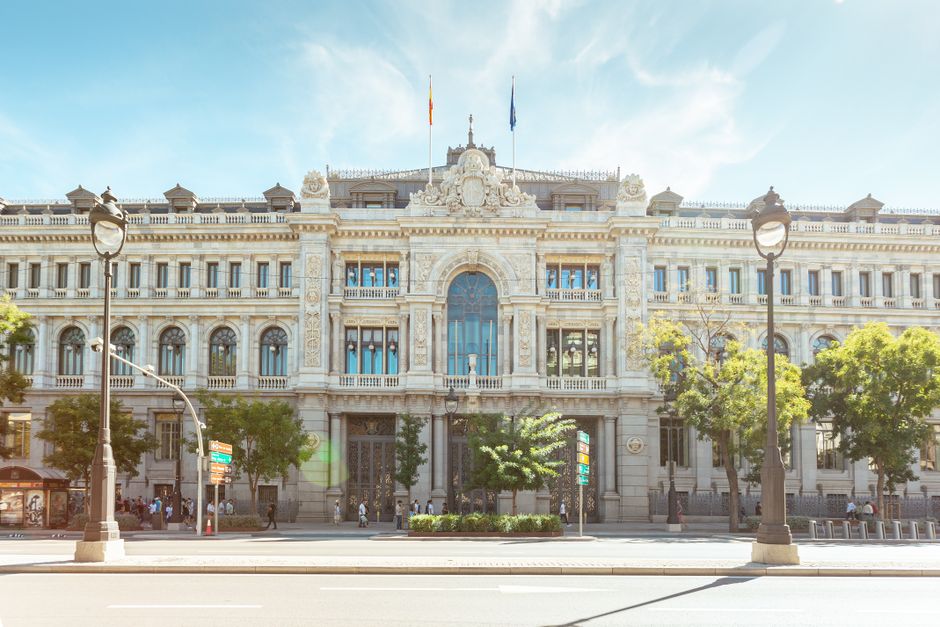
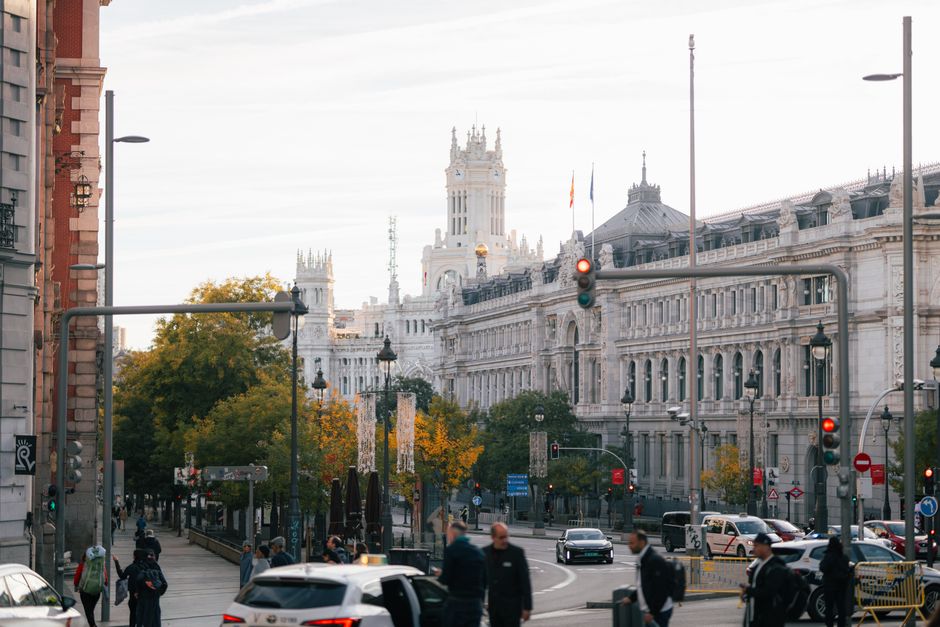
Walk into any café along Paseo de la Castellana these days, and you'll hear executives discussing something beyond quarterly earnings: the mechanics of how global uncertainty moves money. The past six months have crystallized a lesson that Madrid's financial district—home to operations for BBVA, CaixaBank, and dozens of multinational firms—must now reckon with daily.
The relationship between geopolitical risk and investment flows has become Madrid's most urgent business narrative. When tensions spike in strategic regions, institutional investors typically reallocate capital toward perceived safe havens. European equities, particularly in stable economies, have seen net inflows exceeding €2.3 billion in recent weeks, according to preliminary fund flow data. Spain's IBEX 35 index, which includes Madrid-headquartered companies, has reflected this pattern, with foreign investors rotating selectively into defensive positions.
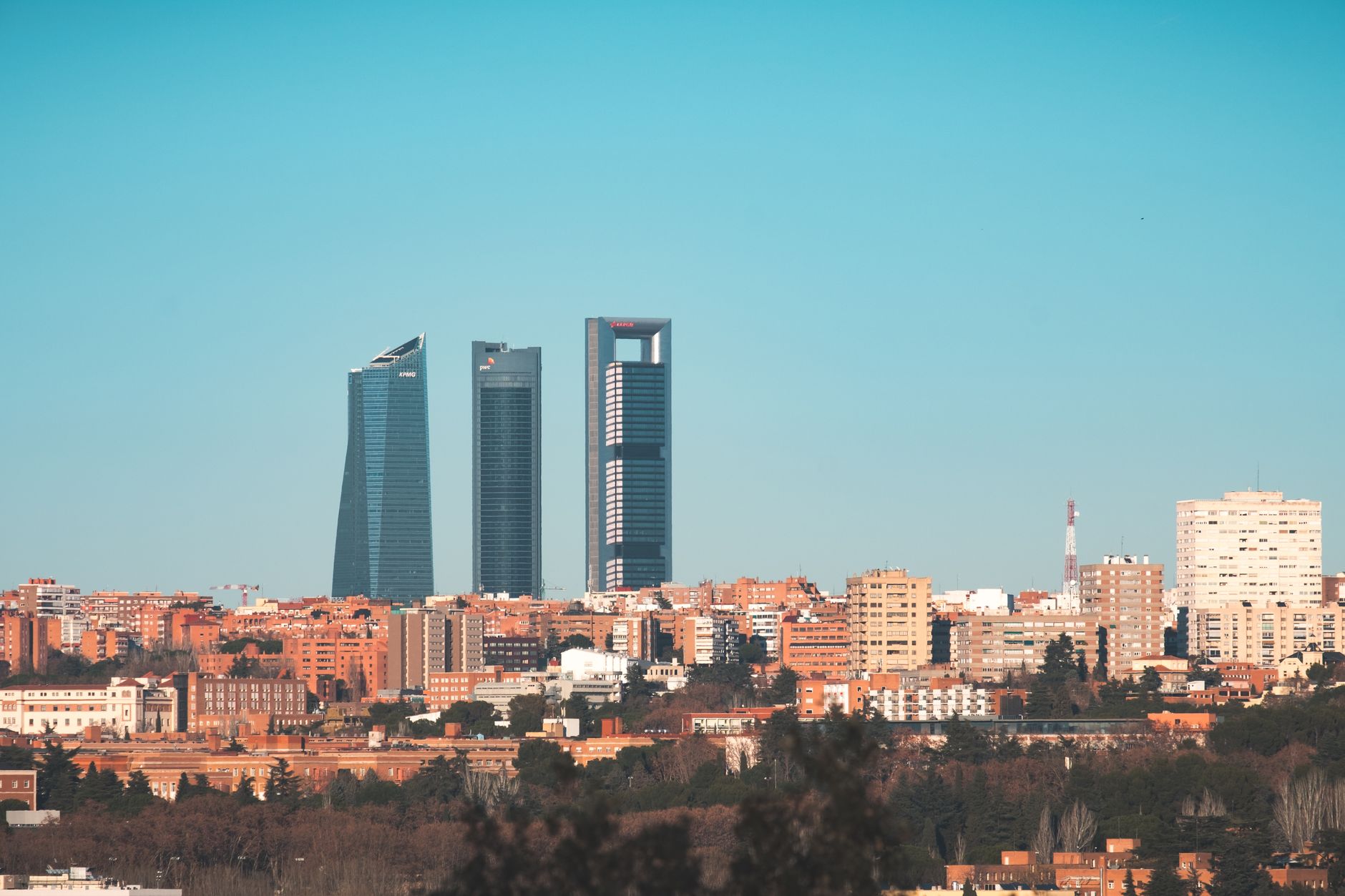
What does this mean practically? Companies operating from the Chamartín business district—where renovation projects have transformed office space into modern innovation hubs—are experiencing real consequences. Import-export firms report higher currency volatility hedging costs. Real estate investment trusts are reassessing property valuations in light of shifting occupancy assumptions for office space. The commercial corridors around Plaza de Castilla show signs of this recalibration, with certain submarkets experiencing rental compression while others attract capital seeking longer-term stability.
The mechanism works like this: when headline risk rises elsewhere, capital seeks jurisdictions with transparent legal frameworks and established financial infrastructure. Madrid benefits from this phenomenon. Banks and asset managers headquartered here have processed approximately €340 million in fund reallocations this quarter alone, according to industry sources. Simultaneously, venture capital focused on renewable energy and digital infrastructure remains robust, suggesting investors distinguish between different asset classes and geographies.
For business leaders in Madrid, reading these signals requires understanding three key indicators. First: yield spreads between Spanish and German government bonds, which signal investor confidence in European stability. Second: foreign direct investment patterns into Spain's manufacturing and logistics sectors, which reveal corporate supply-chain recalibration. Third: currency movements in the euro-dollar relationship, which directly impact export competitiveness for firms based here.
The narrative isn't doom. Rather, it's recognition that Madrid's position as Europe's fourth-largest financial center means the city absorbs and redistributes global capital flows. When investors worldwide adjust their portfolios, the vibrations reach every corner of our business community—from the trading floors on Calle Serrano to the startup incubators in La Latina. Understanding these currents isn't optional anymore; it's essential boardroom literacy.
This article was compiled by AI and screened before publishing. See our editorial standards.
How does this story make you feel?
Spread the word
About this article
Published by The Daily Madrid
Daily brief
Free, in your inbox before 7am. Weekdays.
More in Business