Reading Madrid's Economic Pulse: What Investment Flows and Inflation Data Really Tell Us
As foreign capital reshapes the city's neighbourhoods and living costs climb, understanding the signals beneath the headlines matters more than ever.
As foreign capital reshapes the city's neighbourhoods and living costs climb, understanding the signals beneath the headlines matters more than ever.
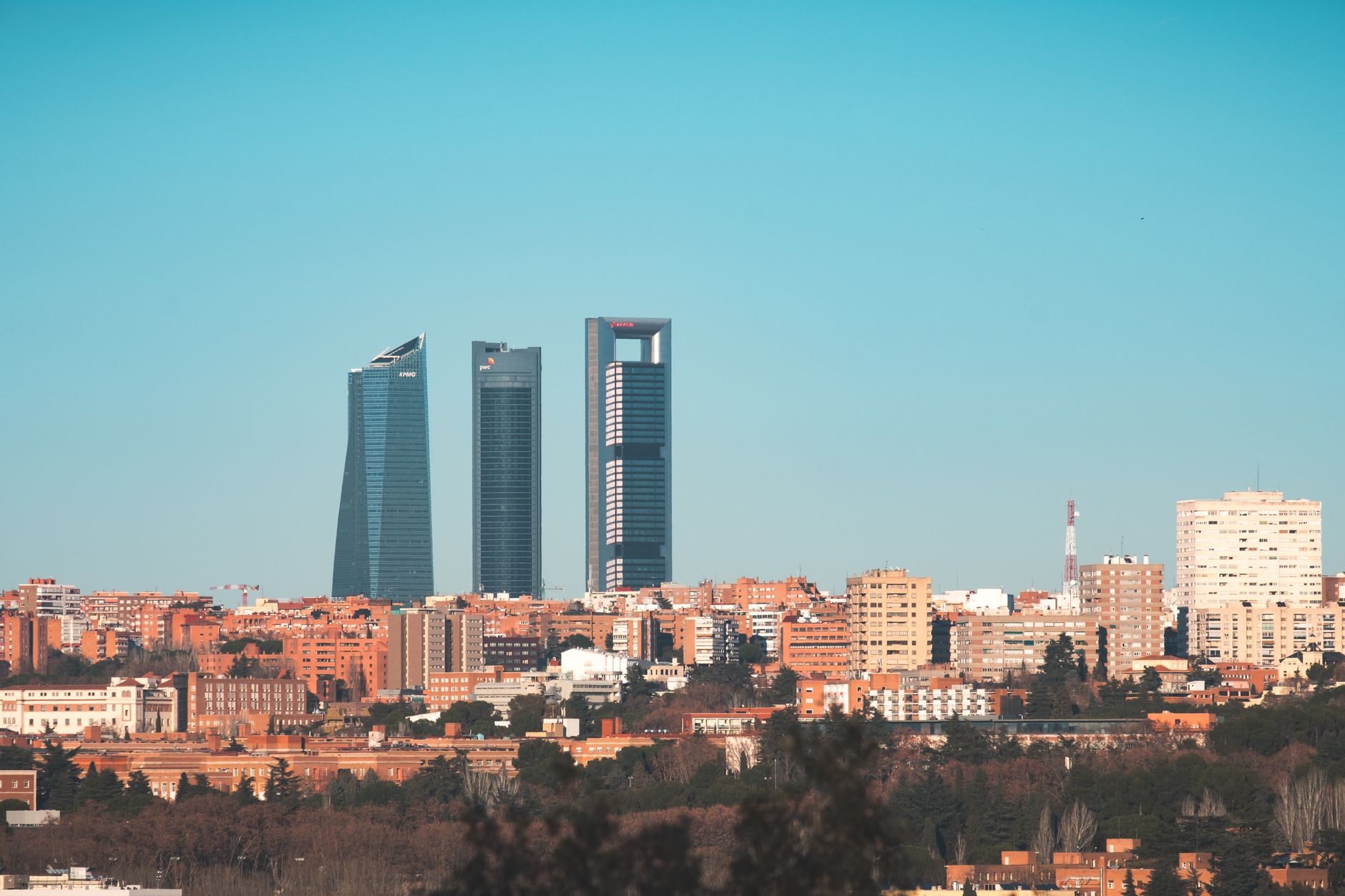
Walk down Paseo de la Castellana on any weekday and you'll see the physical evidence of Madrid's economic transformation. Gleaming office towers rise where older buildings once stood. Yet for many madrileños navigating rent increases in Malasaña or Chueca, the city's investment boom feels disconnected from their own financial reality.
This apparent contradiction reflects a crucial but often misunderstood relationship: investment flows and cost of living move in complex ways that economic indicators help decode.
Madrid's office market attracted €2.8 billion in commercial real estate investment last year—a figure reflecting global capital seeking stability in Europe's fourth-largest economy. That money doesn't vanish into balance sheets; it reshapes neighbourhoods, drives property valuations upward, and eventually influences residential rental markets across districts from Retiro to Salamanca.
Spain's inflation rate sits around 2.3 percent annually, officially moderate. Yet hyperlocal pressures tell a different story. Average apartment rents in central Madrid have climbed roughly 12 percent since 2023, outpacing headline inflation by a factor of five. A one-bedroom flat in Chueca that rented for €900 three years ago now commands €1,100.
Understanding this gap requires looking at investment's anatomy. When international funds acquire commercial properties or establish tech hubs near Plaza Castilla, they increase demand for skilled workers, which attracts talent, which drives residential demand, which pushes rents upward—even as broader inflation figures remain controlled. This sectoral pressure invisible in national statistics becomes painfully real for renters.
The Madrid Chamber of Commerce has noted that foreign direct investment increasingly concentrates in innovation sectors: fintech, artificial intelligence, renewable energy. Companies like Google expanding operations near Avenida de América create economic dynamism that benefits some sectors dramatically while leaving others behind.
What should residents understand? First, aggregate statistics mask unequal impacts. Second, investment flows create cascading effects through housing markets with a lag of 12-18 months. Third, central bank interest rates—currently influencing European investment decisions—eventually reach Spanish mortgage and rental markets.
For those watching their purchasing power erode in neighbourhoods transformed by investment, recognizing these mechanisms offers clarity if not comfort. Madrid's economy isn't broken; it's reallocating resources toward growth sectors while imposing concentrated costs on those without capital to benefit from that reallocation. Tracking investment flows, sectoral inflation, and real estate transactions together reveals the actual distribution of economic change—information far more useful than headline inflation figures alone.
This article was compiled by AI from the sources linked above and screened before publishing. See our editorial standards.
How does this story make you feel?
Spread the word
About this article
Published by The Daily Madrid
Daily brief
Free, in your inbox before 7am. Weekdays.
More in Business