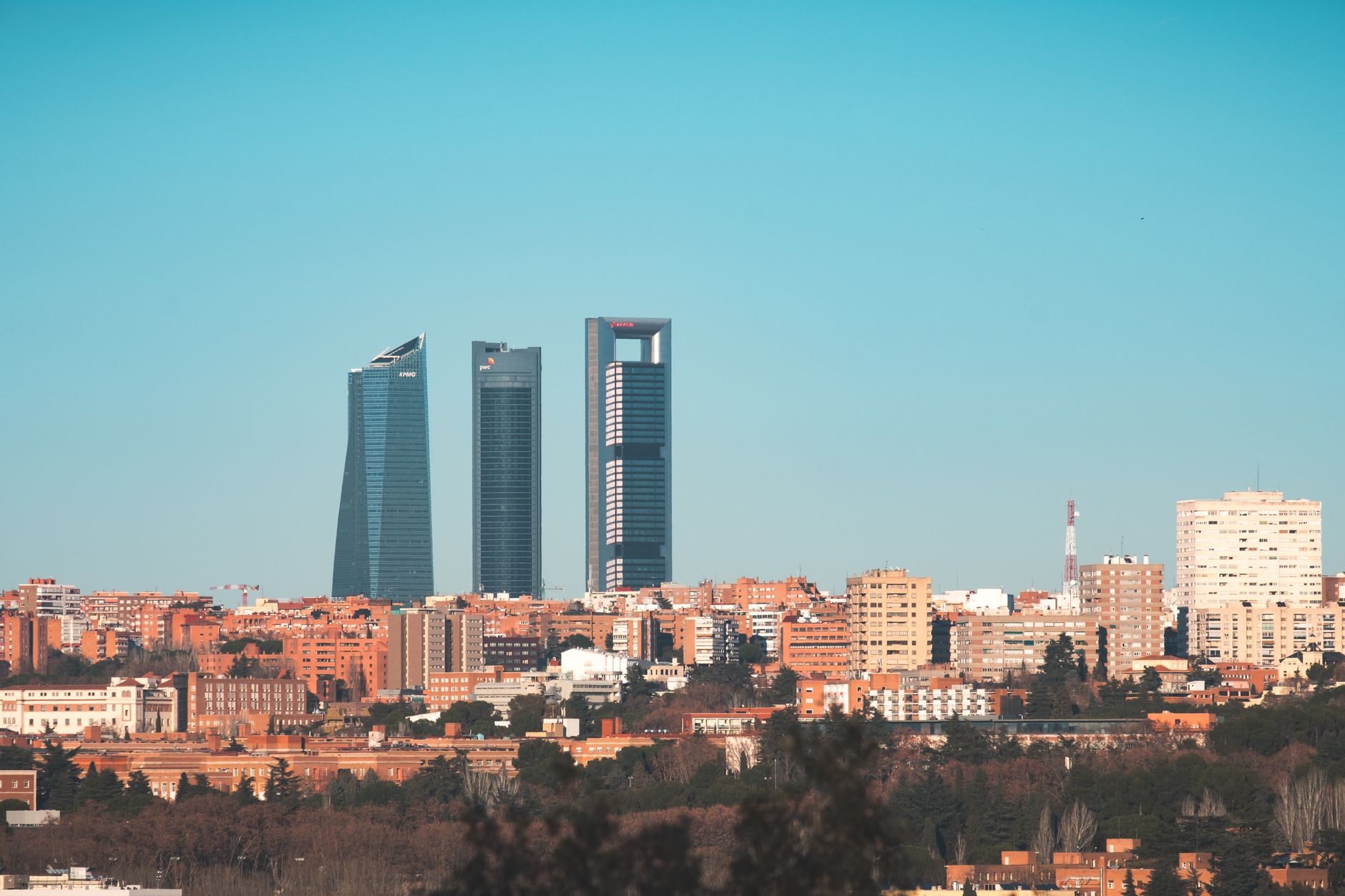
Madrid's startup ecosystem is experiencing a fundamental shift in 2026, with municipal investment in innovation infrastructure attracting international venture capital and spurring real estate speculation across the city's emerging tech corridors. The winners so far are not just founders, but a constellation of property owners and service providers betting on the zone's transformation.
The momentum centres on three interconnected clusters. In the Chamberí district, particularly around Avenida de América and the renovated tech campus near Paseo de la Castellana, commercial rents have climbed 18% year-on-year—significantly outpacing Madrid's broader commercial real estate market, according to property analysts. Landlords holding medium-sized office spaces (400-800 square metres) are commanding premium rates from growing fintech firms and SaaS companies relocating from Barcelona and Barcelona's increasingly saturated scene.
Equally compelling is the revival of the Puente de Vallecas neighbourhood. Once overlooked, the district's conversion of former industrial warehouses into shared workspace and innovation labs has attracted municipal backing and EU funding streams. Local property developers who acquired buildings here three years ago are now negotiating leases at €12-16 per square metre monthly—double the prices from 2024. Co-working operators have expanded aggressively; at least four major chains now operate in Vallecas, serving a growing cohort of early-stage climate tech and manufacturing startups.
The Salamanca district, traditionally Madrid's upmarket retail and residential zone, is emerging as an unexpected beneficiary. Several venture capital firms have opened offices near Plaza de Cibeles, seeking proximity to both established corporate clients and the younger startup community. This hybrid positioning has triggered secondary economic activity—premium cafés, legal services, and specialized recruitment firms are establishing beachheads to serve the new money.
Beyond landlords, established Madrid-based companies are already reaping returns. Business services firms offering regulatory compliance, accounting, and HR administration have seen client acquisition accelerate, while local universities—particularly Universidad Autónoma and IE Business School—are receiving increased corporate sponsorship and recruitment partnerships from tech firms scouting early talent.
The municipal government's investment in broadband infrastructure and tax incentives for tech companies settling in designated innovation zones has catalysed this momentum. However, affordability concerns are mounting. Housing prices near these hubs are climbing sharply, creating friction for junior employees and founders priced out of their own innovation districts.
The question now is sustainability. As Madrid's startup ecosystem matures, early-stage beneficiaries—particularly property holders and infrastructure providers—face pressure to justify valuations that assume continued explosive growth.
This article was compiled by AI from the sources linked above and screened before publishing. See our editorial standards.