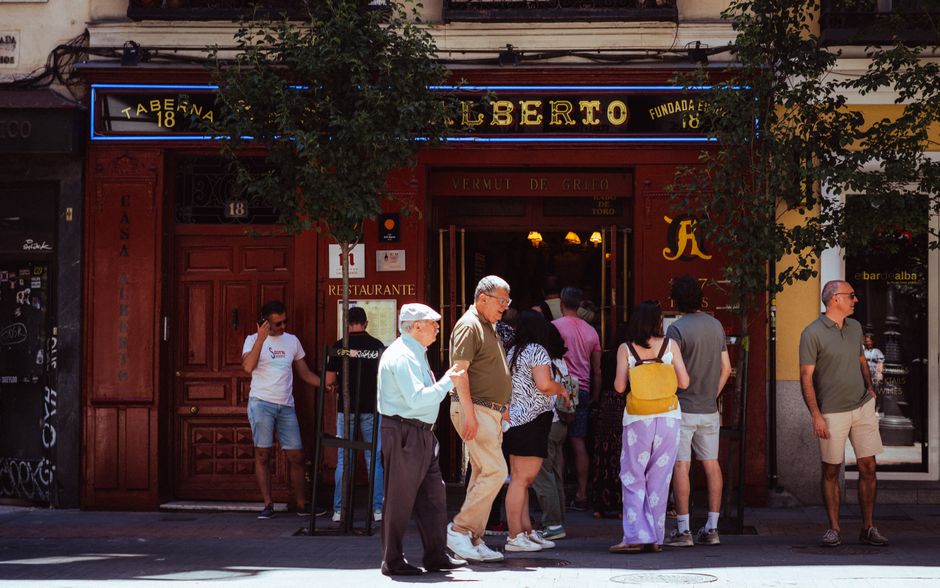
Walk down Calle Fuencarral on any Friday evening and you'll see Madrid's business vibrancy on full display. Yet beneath the bustling cafés and boutiques lies a sobering reality: the city's small and medium-sized enterprises are increasingly squeezed by global forces entirely beyond their control.
The Iranian tensions dominating geopolitical headlines directly impact Spanish shipping costs. Freight rates through contested waterways have climbed 18% in recent months, forcing logistics companies operating from Madrid's Mercamadrid wholesale market to absorb losses or pass them to suppliers and consumers. A restaurant owner in Chueca paying 40% more for imported olive oil or seafood—staples of Madrid's thriving hospitality sector—faces an impossible choice: raise menu prices and risk alienating locals already facing inflation, or sacrifice margins.
The Venezuelan earthquake and political instability, meanwhile, have disrupted cocoa supplies affecting confectioners and chocolatiers throughout the city. Meanwhile, uncertainty over U.S.-Iran negotiations rattles energy markets, keeping fuel costs unpredictable for Madrid's delivery networks and taxi services.
Data tells the story. The Cámara de Comercio de Madrid reports that 62% of local businesses cite "external geopolitical factors" as their primary concern, surpassing even rising labour costs. Consumer confidence in the capital has dipped 4.2 points since January, according to the latest CIS survey, dampening spending precisely when summer tourism should boost revenues.
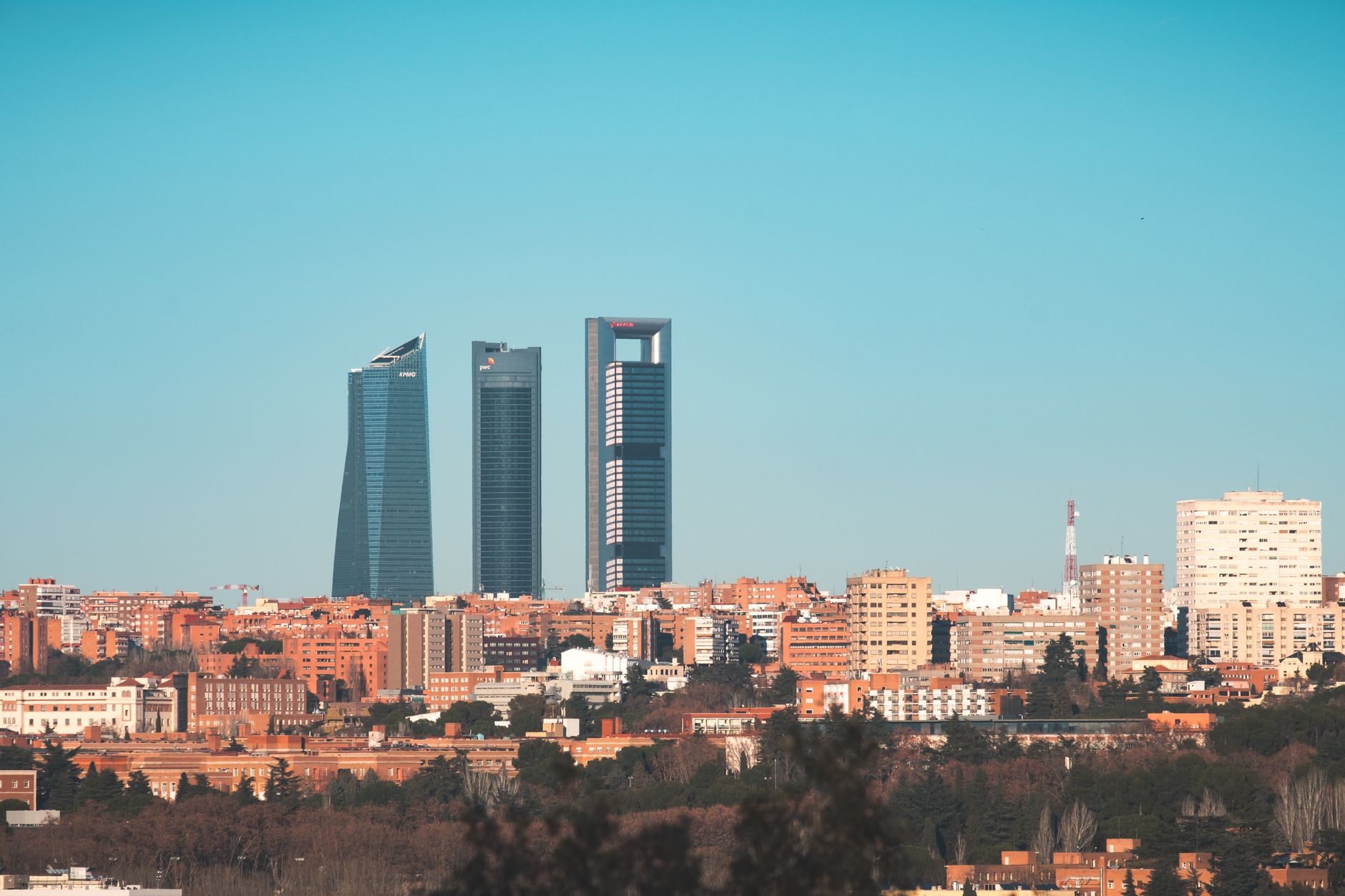
Tech startups clustered in the financial district near Paseo de la Castellana face different pressures. Global venture capital is tightening as investors reassess risk. Several Madrid-based fintech firms have shelved expansion plans. One startup accelerator on Calle Alcalá reported 23% fewer pitch meetings this quarter compared to 2025.
Yet some Madrid businesses are adapting. Restaurants are diversifying suppliers, seeking alternatives to crisis-prone regions. Logistics firms are investing in hedging strategies. Commercial real estate in Salamanca and Retiro remains relatively resilient, as wealthy individuals and institutional investors view Madrid property as a stable haven during turbulent times.
The deeper issue: Madrid's economy, while robust, remains interconnected with an unstable world. The city attracts international talent and capital precisely because of its stability and growth—yet that very globalism exposes it to shocks thousands of miles away. As summer advances and uncertainty lingers, the question for Madrid's business community isn't whether geopolitical chaos will affect them. It's whether they can navigate it faster than competitors elsewhere.
This article was compiled by AI from the sources linked above and screened before publishing. See our editorial standards.