Madrid's Office Market Sends Mixed Signals: Here's What the Numbers Really Tell Us
As investment capital flows unevenly across Spain's capital, commercial property data reveals which neighbourhoods are thriving and where caution is warranted.
As investment capital flows unevenly across Spain's capital, commercial property data reveals which neighbourhoods are thriving and where caution is warranted.
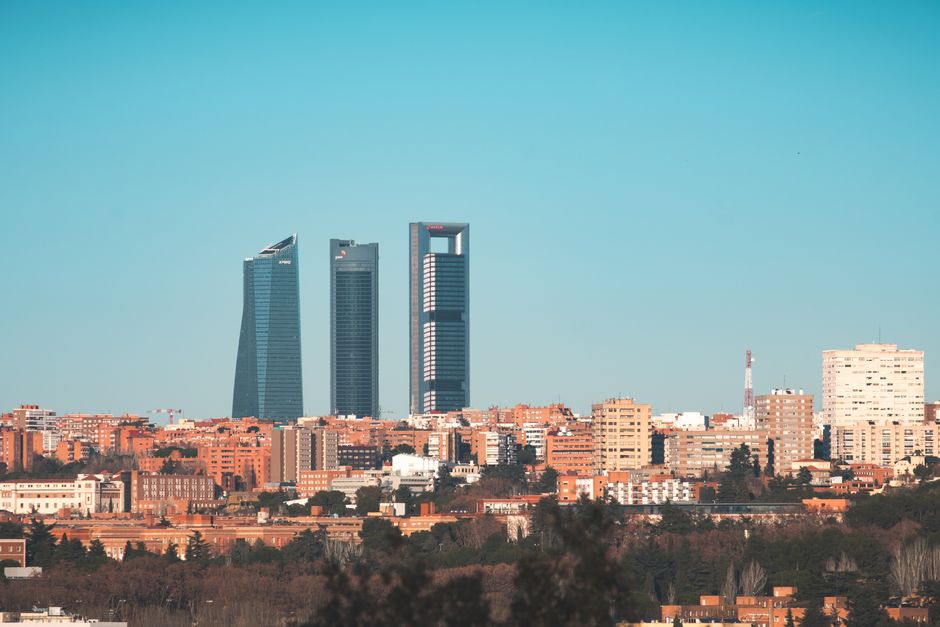
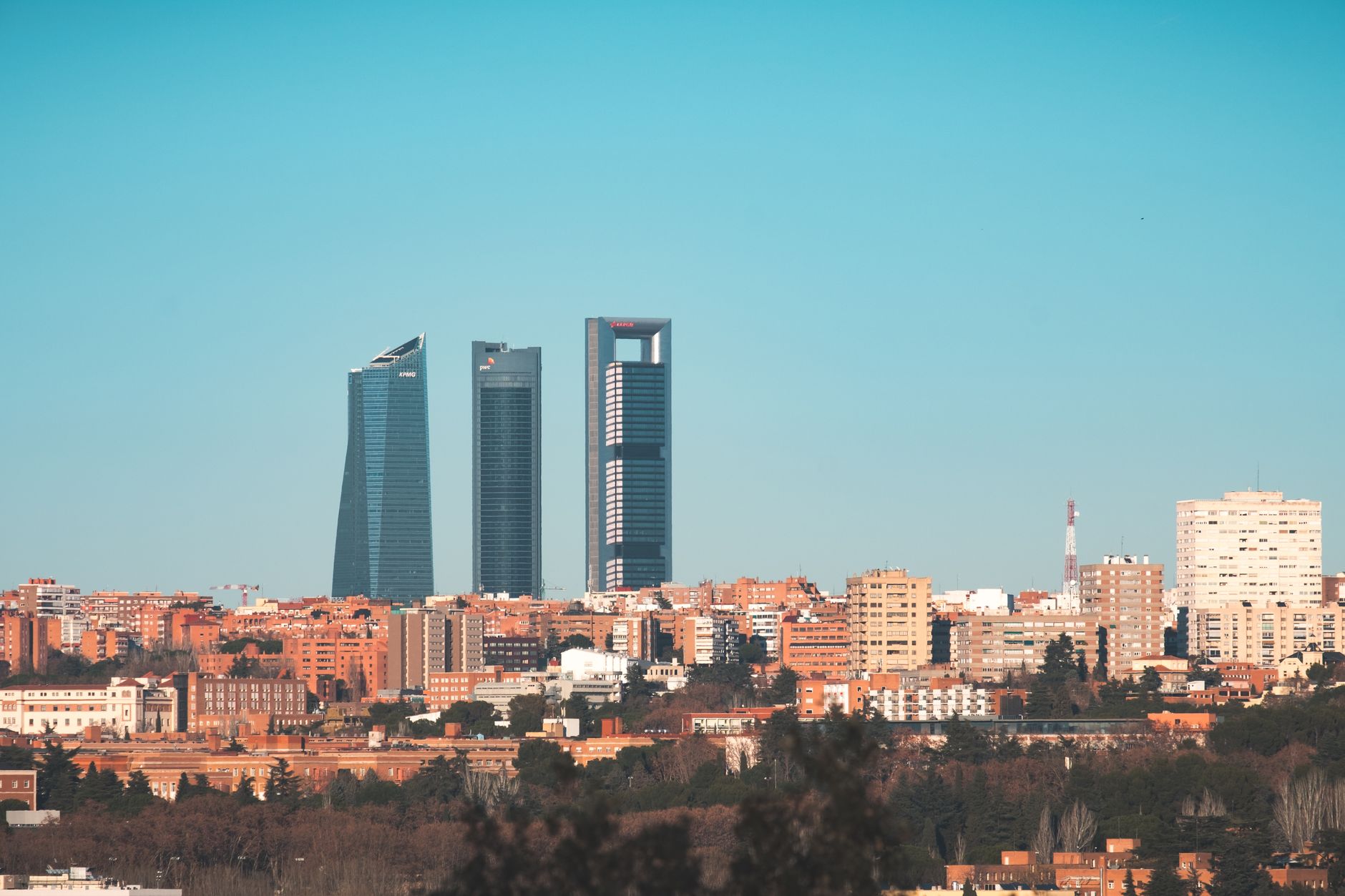
Madrid's commercial real estate sector is displaying a paradox that seasoned investors are learning to read like tea leaves. While headline vacancy rates in prime business districts hover around 8–10%, the underlying currents tell a more nuanced story about where money is actually moving and why.
The clearest signal comes from the Golden Triangle—the corporate heartland spanning Paseo de la Castellana, Chamartín, and Las Tablas. Average office rents here have stabilised at €22–26 per square metre monthly, a modest 2.3% increase from early 2025. This measured growth reflects something crucial: multinational firms anchoring major lease renewals, rather than speculative fervour. Investment funds, particularly German and Dutch pension vehicles, have quietly accumulated roughly €340 million in trophy assets across this zone since January, according to market analysts tracking institutional flows.
The narrative shifts dramatically south of the M-30 ring road. The Atocha-Reina Sofía precinct and emerging tech corridors around Méndez Álvaro show investment appetite cooling visibly. Office take-up there dropped 18% year-on-year in the first quarter, whilst vacancy crept toward 12%. Landlords in these secondary zones are offering concessions—free rent periods and flexible lease terms—to retain tenants. This reveals investor caution about demand fundamentals beyond Madrid's established command centre.
What's driving these divergent patterns? Three economic indicators warrant attention. First, Spain's technology sector employment remains robust, up 6.7% annually, but concentrated in specific clusters. Second, foreign direct investment into Spanish commercial property slowed to €2.8 billion in the first half of 2026, down from €3.4 billion in the comparable 2025 period—signalling a recalibration of international confidence. Third, mortgage rates for development financing, while lower than two years ago, remain sticky at around 3.8–4.2%, dampening speculative construction.
The practical upshot: institutional investors are favouring defensive plays. They're targeting long-let, stabilised assets in Chamartín and Salamanca where grade-A tenants provide income certainty. Meanwhile, smaller operators and domestic property companies are retreating from secondary districts, waiting for clearer signals before deploying capital in conversion projects or repositioning initiatives.
Madrid remains Europe's most attractive Southern European office market by most metrics. But today's investor behaviour suggests a market shifting from growth mode to value-hunting. Those watching commercial property flows to gauge broader Spanish economic health should note: money is consolidating, not fleeing. That distinction matters enormously for what comes next.
This article was compiled by AI from the sources linked above and screened before publishing. See our editorial standards.
How does this story make you feel?
Spread the word
About this article
Published by The Daily Madrid
Daily brief
Free, in your inbox before 7am. Weekdays.
More in Business