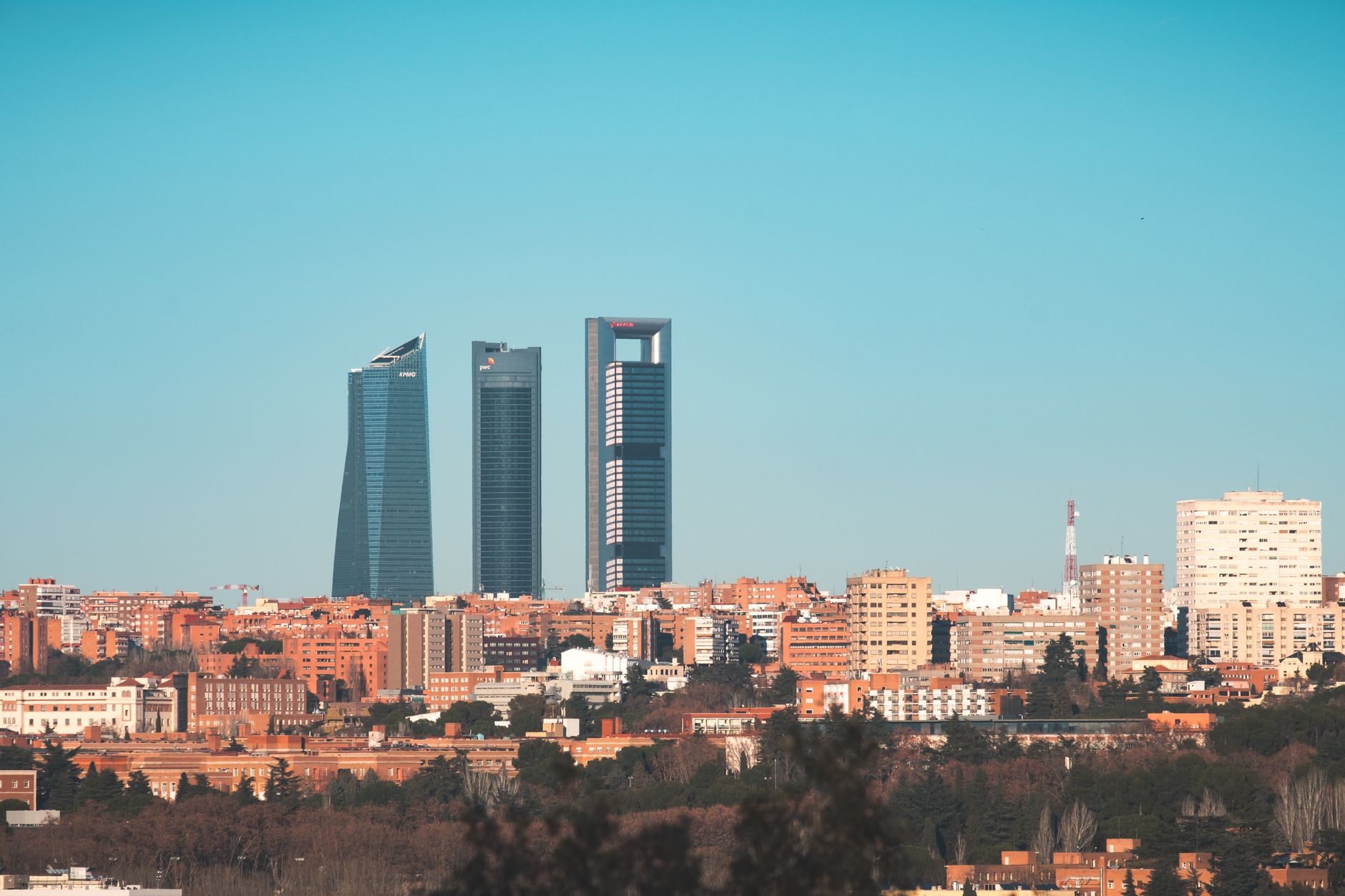
Madrid's hospitality and food retail sectors are experiencing a confluence of tailwinds that is reshaping the competitive landscape across the city's most coveted neighbourhoods. Recent data from the Chamber of Commerce indicates that foot traffic in central Madrid has climbed 18% year-on-year, while average spending per transaction in food establishments has grown 12%, signalling genuine demand rather than mere inflation.
The winners emerging from this expansion tell a clear story: operators who have invested in hybrid models—blending takeaway speed with quality-focused sit-down experiences—are outpacing traditional competitors. Along Calle Cuchilleros in La Latina, several establishments have recently renovated their ground floors to accommodate standing counters and grab-and-go concepts alongside formal dining, capturing both the lunchtime office worker and the leisurely tourist. Preliminary reports suggest these mixed-format venues are achieving 25-30% higher turnover than single-format neighbours.
The Salamanca district, traditionally Madrid's premium retail hub, is witnessing particular momentum. Specialist food retailers—from artisanal delis to premium wine shops—are clustering around Calle Serrano and Calle Ortega y Gasset, where foot traffic has become dense enough to support premium pricing. A high-end charcuterie that opened on Calle Lagasca in March is already attracting queues, with average basket sizes reportedly exceeding €35.
What is particularly notable is the emergence of mid-market operators who are capturing share from both budget chains and ultra-luxury establishments. These venues—typically located in secondary streets of popular neighbourhoods—offer quality produce and thoughtful service at prices that resonate with Madrid's growing base of remote workers and affluent young professionals. Several such concepts have expanded from single locations to three or four sites within eighteen months.
Real estate agents report that retail rents in prime hospitality zones have stabilized after years of volatility, creating an opening for operators with moderate capital but strong operational discipline. Landlords, mindful of long-term tenant retention, are offering more flexible lease terms and tenant improvement allowances than was common five years ago.
The sustainability trend is also reshaping competitive advantage. Establishments emphasizing local sourcing, minimal waste protocols, and seasonal menus are commanding premium positioning and attracting media attention—effectively creating free marketing that would cost thousands via traditional channels.
Industry observers caution that this window may be cyclical, driven partly by tourism rebounds and discretionary spending patterns that could shift. Yet for operators with operational excellence and differentiated positioning, Madrid's current hospitality environment offers genuine opportunity to gain market share and build durable brands.
This article was compiled by AI from the sources linked above and screened before publishing. See our editorial standards.