Madrid's Tech Boom: What You Need to Know About Living in a Startup Hub
As innovation districts reshape neighbourhoods from Chamberí to Leganés, everyday residents are discovering both opportunity and disruption in their own backyards.
As innovation districts reshape neighbourhoods from Chamberí to Leganés, everyday residents are discovering both opportunity and disruption in their own backyards.
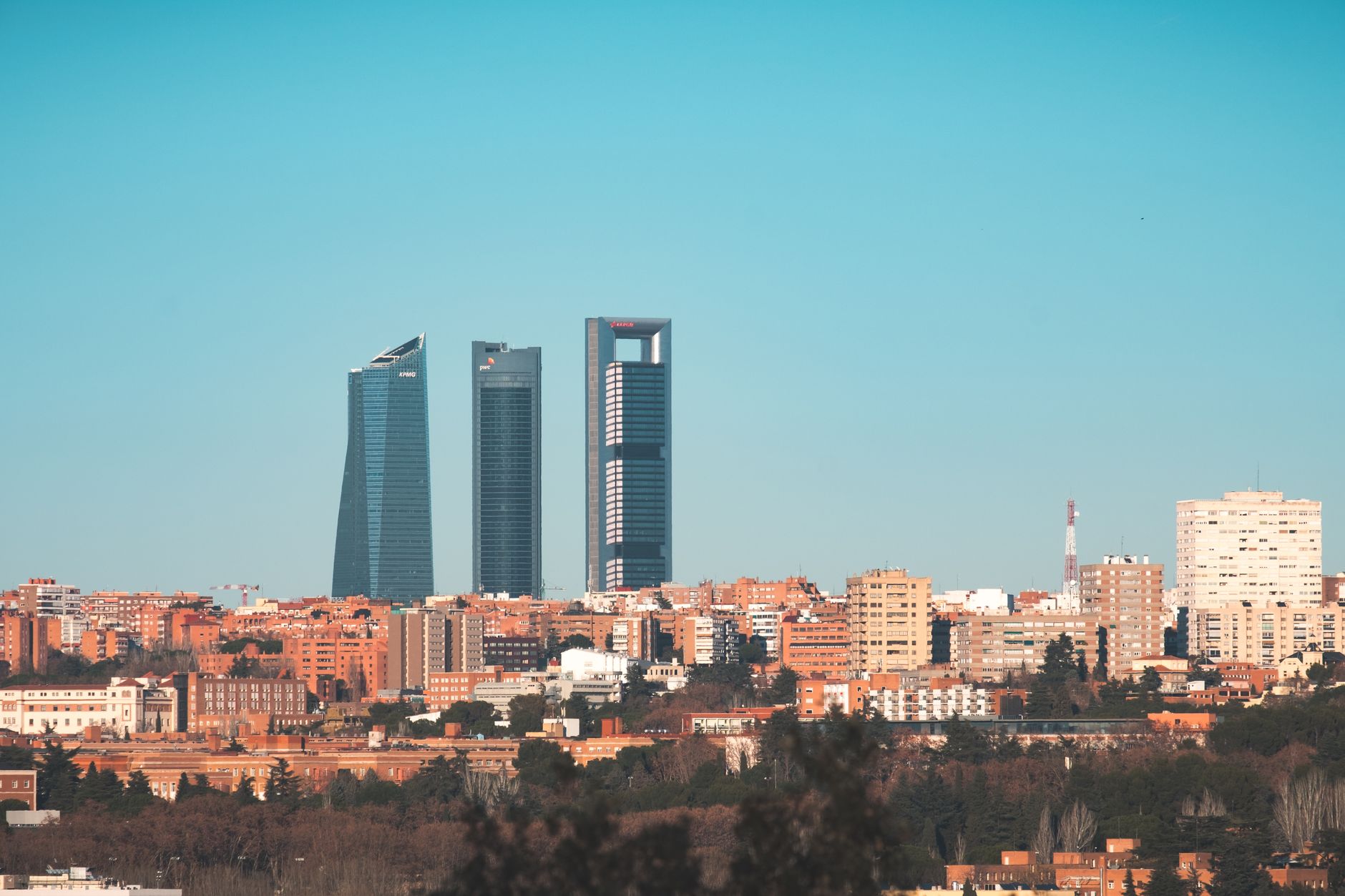
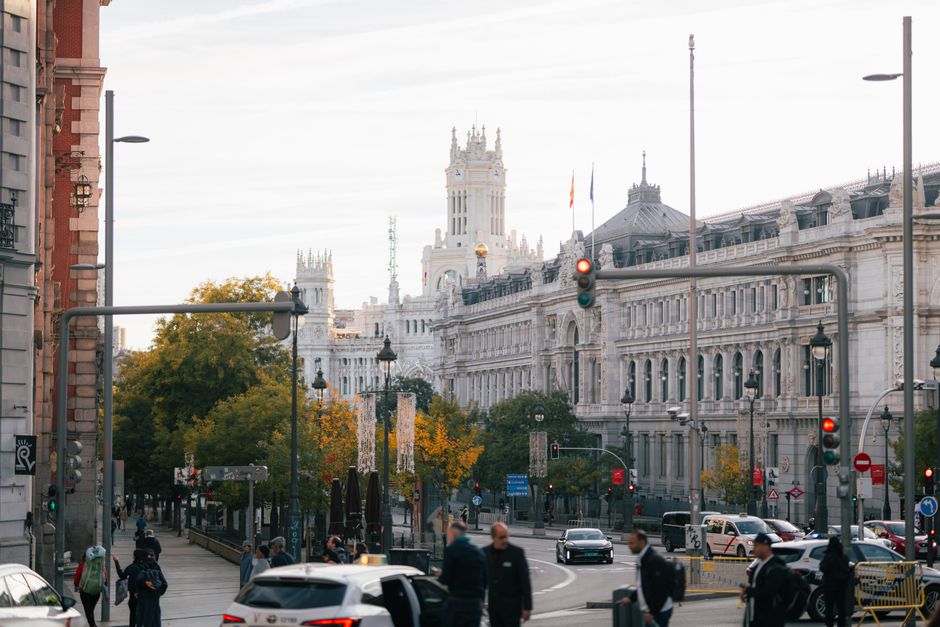
Walk down Paseo de la Castellana on any weekday morning and you'll spot them: young professionals clutching laptops, clustered outside artisanal coffee shops, huddling in heated conversations about funding rounds and product launches. Madrid's startup ecosystem has transformed from fringe phenomenon to mainstream economic force, and it's reshaping daily life for millions of residents who barely notice the change.
The numbers tell a stark story. Madrid now hosts over 4,000 active startups, generating €2.3 billion in venture capital investment annually—a sixfold increase since 2015. But what does that mean for you, whether you're a commuter battling traffic on the M-30, a parent shopping in Salamanca, or a pensioner living in Retiro?
First, real estate. Property prices in innovation hotspots like Chamberí and Las Letras have jumped 28 percent in three years, driven partly by tech workers' demand for trendy urban living. Average rent for a one-bedroom apartment in these neighbourhoods now hovers around €950 monthly—considerably above Madrid's city average of €720. Landlords increasingly target young professionals, reshaping the demographic makeup of historic neighbourhoods.
Second, services. The startup influx has supercharged demand for co-working spaces, premium gyms, and niche dining. WeWork and comparable venues now occupy 180,000 square metres across the city. Simultaneously, traditional shops face pressure: between Puerta del Sol and Plaza Mayor, independent retailers report declining foot traffic as younger residents work remotely rather than commute downtown.
Third, transportation strain. Metro Line 10, serving key tech clusters around Nuevos Ministerios, experiences peak congestion 15 percent above pre-2020 levels during morning rush hours, creating ripple effects across the entire network.
But opportunity exists too. Madrid's startup ecosystem generates roughly 35,000 jobs directly, with average tech sector salaries running 22 percent above city-wide median wages. Employees spend locally—supporting restaurants, bars, and retail businesses that benefit from concentrated young, educated populations. City Hall estimates tech-sector spending contributes €1.8 billion annually to Madrid's broader economy.
The innovation districts centred on Leganés's industrial zone and the emerging south-central cluster around Atocha represent Madrid's calculated bet on economic diversification. Whether you own a business, ride the metro, or simply live here, understanding these dynamics matters. The startup boom isn't peripheral to Madrid anymore—it's reshaping the city's character, prices, and daily rhythms. Residents deserve clarity about where their city is heading.
This article was compiled by AI from the sources linked above and screened before publishing. See our editorial standards.
How does this story make you feel?
Spread the word
About this article
Published by The Daily Madrid
Daily brief
Free, in your inbox before 7am. Weekdays.
More in Business