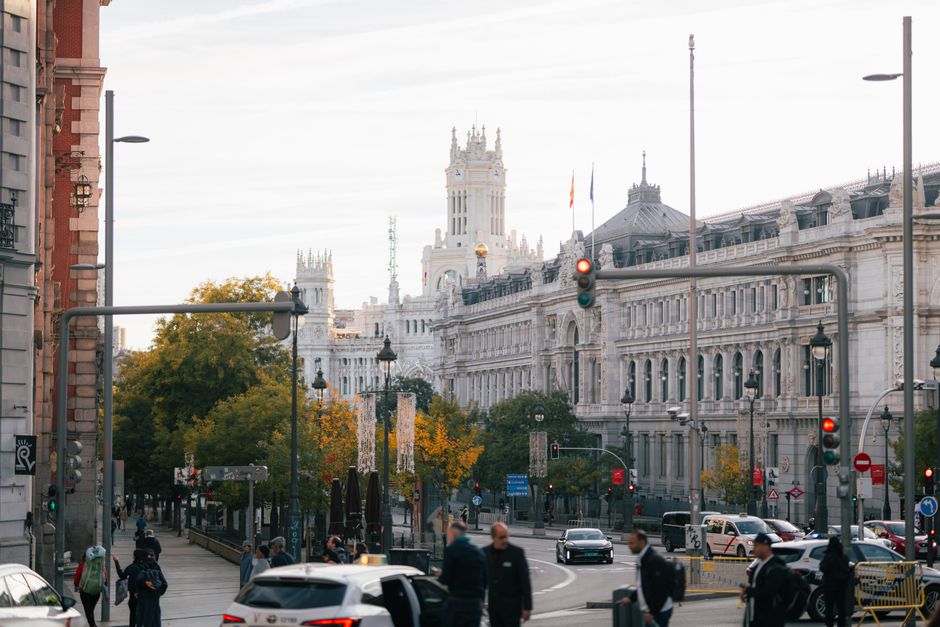
Walk down Calle de San Andrés in Malasaña on any weekday morning and you'll find a queue forming outside wellness studios that didn't exist two years ago. This shift reflects a genuine market opening: Spain's mental health crisis is reshaping consumer spending habits, and Madrid's entrepreneurs are positioning themselves to capture it.
The numbers tell the story. A 2025 survey by Spain's National Statistics Institute found that 34% of Spanish workers report high stress levels, up from 22% in 2022. Simultaneously, the private wellness sector in Madrid grew by 18% year-on-year, outpacing overall service growth. Health insurance firms report a 41% surge in mental health coverage requests from corporate clients in the Madrid metropolitan area alone.
Early beneficiaries are everywhere. Studios offering guided meditation and breathwork in Sol and Chamberi are reporting membership waitlists. A meditation app founded by a former banker now operating from a co-working space near Plaza Mayor has attracted €2.3 million in seed funding. Psychotherapy collectives in neighbourhoods like Chueca—where rent typically runs €1,200-1,600 monthly for modest commercial space—are operating at 95% booking capacity, according to industry contacts.
The corporate angle drives much of this growth. Major employers including Telefónica, BBVA, and Google's Madrid operations have begun subsidizing wellness memberships for staff. This B2B channel has proven far more lucrative than direct-to-consumer models. One entrepreneur running three therapy booking platforms across Madrid districts reports that 67% of revenue now comes from corporate partnerships, compared to 34% just eighteen months ago.
Accessibility remains a genuine barrier for many Madrileños. A single therapy session costs €60-90 privately, placing it beyond reach for working-class residents. But this gap itself represents opportunity. Several non-profit hybrids and subsidized clinics operating in peripheral neighbourhoods like San Blas and Puente de Vallecas report strong foot traffic and are attracting social-impact investment.
The market isn't without headwinds. Spain's public healthcare system still covers mental health services, albeit inadequately, creating price sensitivity. Regulatory scrutiny around unlicensed practitioners has tightened. Yet for entrepreneurs with genuine credentials and business acumen, the window appears wide open.
What's emerging in Madrid is less a fad than a structural shift in how Spaniards think about health. For those positioned early—whether in premium neighbourhoods or underserved districts—the opportunity to scale remains substantial.
This article was compiled by AI from the sources linked above and screened before publishing. See our editorial standards.