Madrid's Tech Boom Faces Headwinds as Global Instability Shakes Investor Confidence
Startups in the city's innovation districts are grappling with funding freezes and talent flight as geopolitical tensions reshape Europe's venture landscape.
Startups in the city's innovation districts are grappling with funding freezes and talent flight as geopolitical tensions reshape Europe's venture landscape.
Madrid's vaunted startup ecosystem—once positioned as Europe's answer to Silicon Valley—is confronting an uncomfortable reality: global instability translates directly into boardroom uncertainty and tightened purse strings.
The numbers tell a sobering story. According to data from Spain's National Securities Market Commission, venture capital investment in Madrid-based tech companies fell 23% in the first half of 2026 compared to the same period last year. The slowdown ripples through the entrepreneurial heartland: from the innovation hubs clustered around Paseo de la Castellana to the creative collectives in Malasaña, founders report conversations with international investors growing noticeably cooler.
"Geopolitical risk has become the elephant in the room," explains one venture capital director working from offices near Plaza de Castilla, speaking on condition of anonymity. "When Middle Eastern tensions spike or we see major military actions in unexpected regions, LPs—particularly American and European institutional investors—immediately reassess their exposure to emerging markets, including Spain."
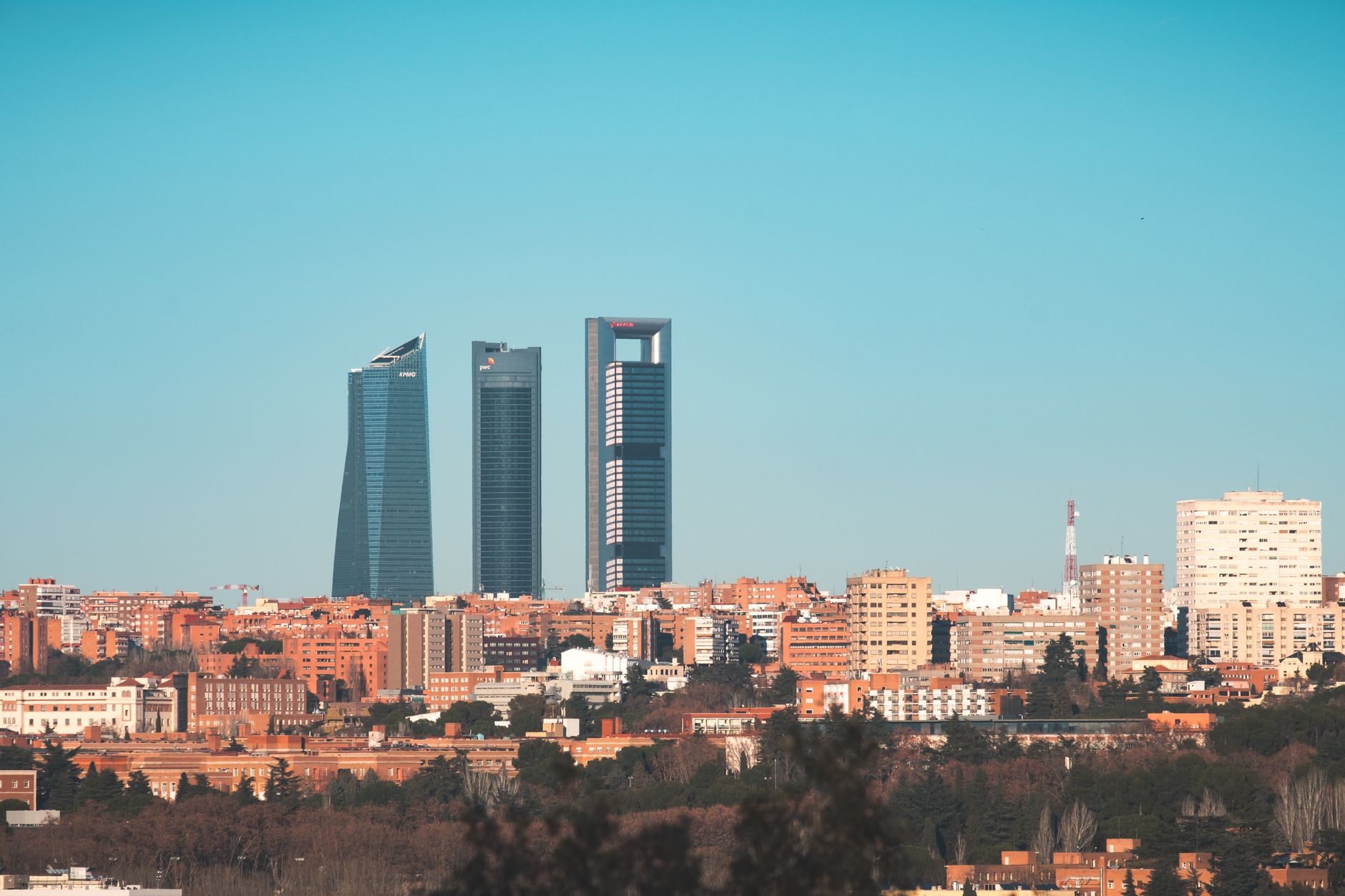
The timing compounds existing pressures. Madrid's startup community has invested heavily in becoming a magnet for international talent, with the city's unemployment rate dropping below 10% and premium office space in the Cuatro Torres Business Area commanding €28 per square metre monthly. Yet visa restrictions and economic uncertainty abroad are making recruitment harder. Several founders reported difficulties attracting senior engineers from outside the EU in recent months.
Some sectors feel the impact acutely. Cleantech startups—normally buoyant given Spain's renewable energy ambitions—report delayed funding rounds as investors reassess supply chain vulnerability. Meanwhile, defence technology and cybersecurity firms are unexpectedly thriving, attracting capital spooked by instability elsewhere.
Madrid's business establishment isn't passive. The Chamber of Commerce recently launched initiatives to strengthen local investor networks and reduce dependency on foreign capital. Universities like Carlos III and Autónoma Madrid are ramping up entrepreneurship programmes designed to cultivate homegrown venture firms.
Still, the city's appeal relies partly on its role as Europe's accessible gateway to international networks. That advantage weakens when international partners retreat inward. As one founder from a Malasaña-based logistics AI company noted: "We're no longer competing just on merit and market fit. We're competing against the anxiety of our investors."
Whether Madrid's innovation ecosystem can weather this disruption depends not just on local resilience, but on the same global forces that have always shaped its ambitions—forces increasingly beyond its control.
This article was compiled by AI from the sources linked above and screened before publishing. See our editorial standards.
How does this story make you feel?
Spread the word
About this article
Published by The Daily Madrid
Daily brief
Free, in your inbox before 7am. Weekdays.
More in Business