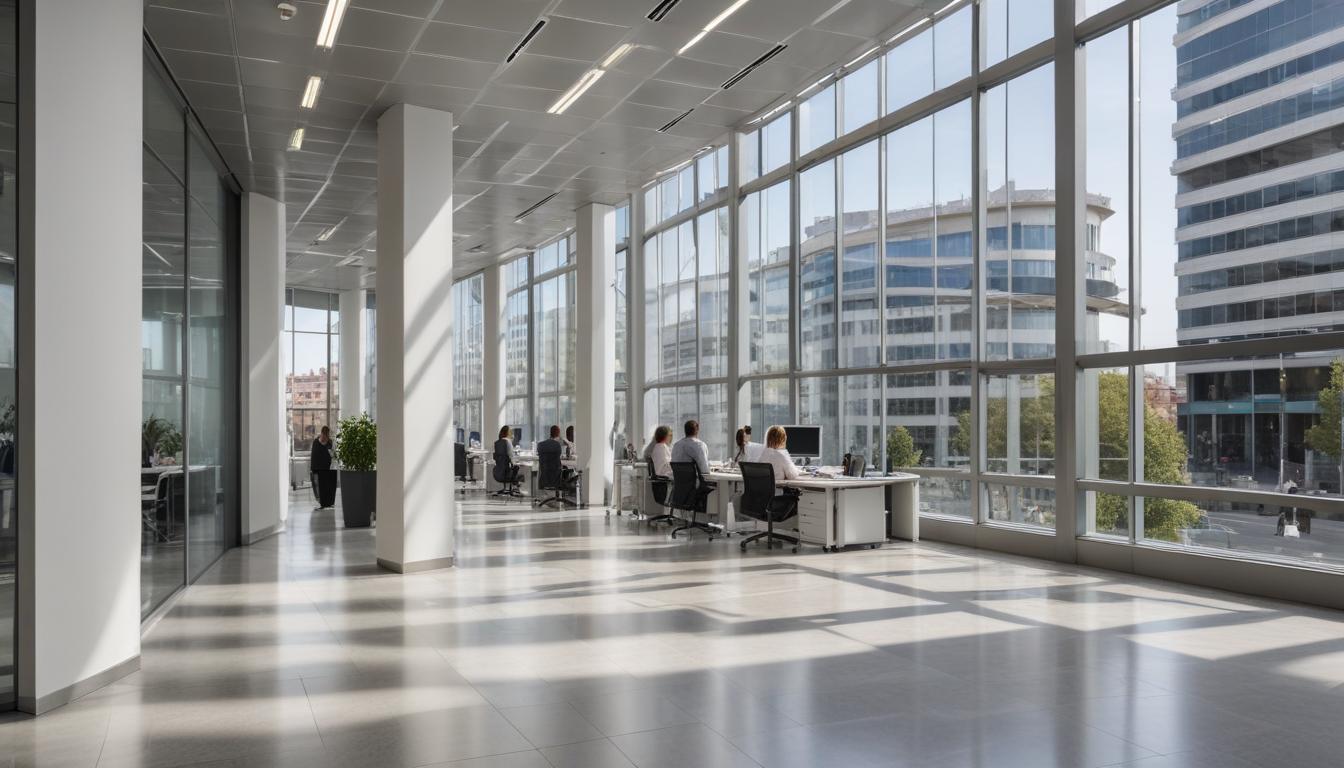
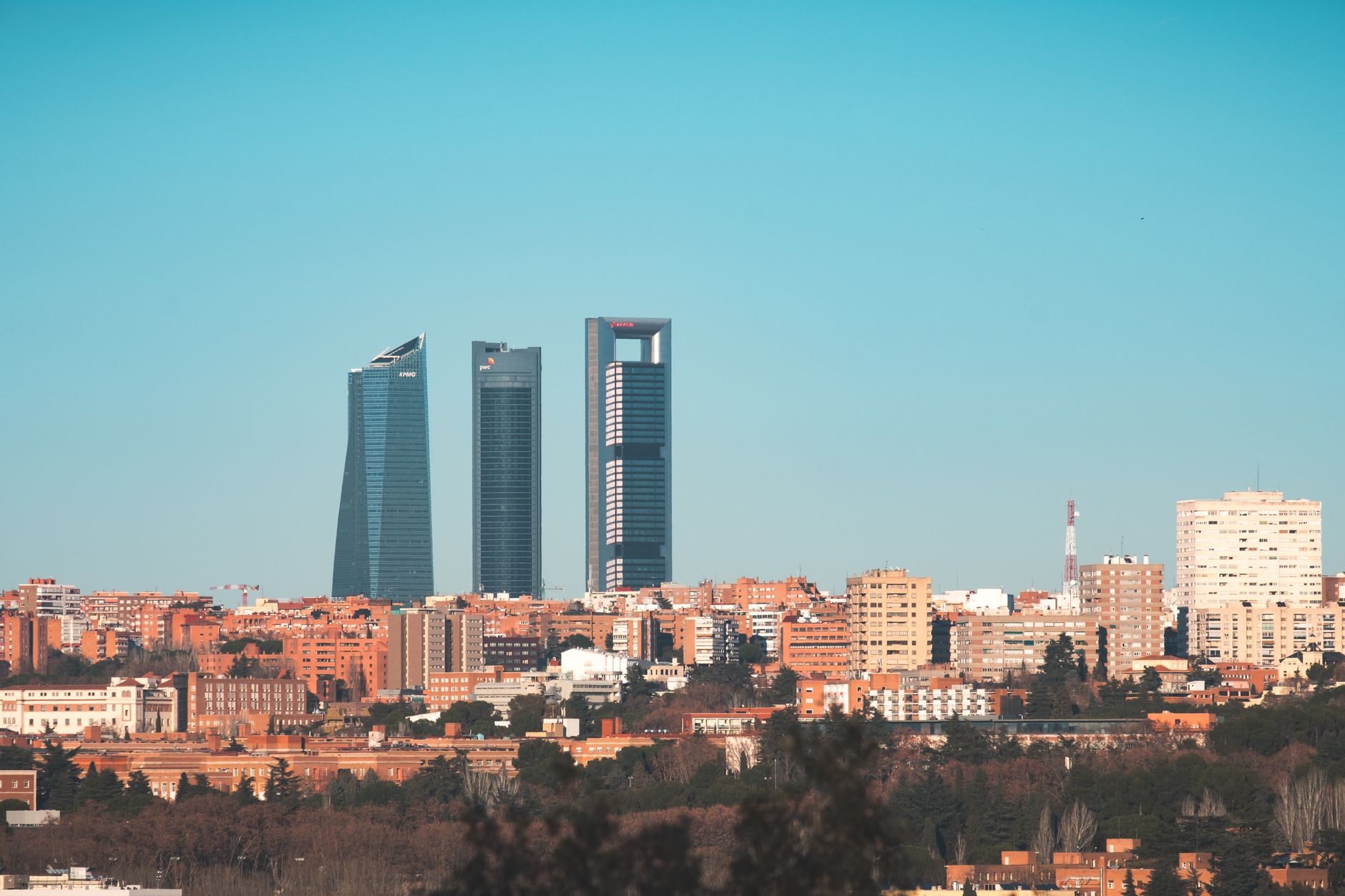
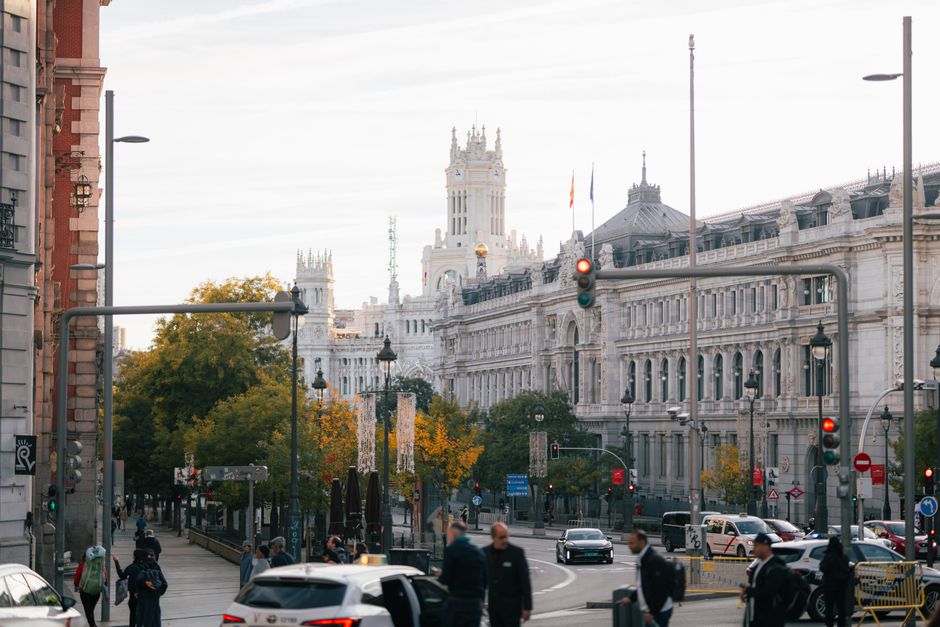
Madrid's commercial property market is undergoing a seismic shift, and if you live, work, or simply navigate the city, you should pay attention. The transformation isn't just about gleaming new office towers—it's fundamentally reshaping how neighbourhoods function, what services appear on your street corner, and ultimately, how much you'll pay for a morning café.
The numbers tell a striking story. Over the past three years, office space in Madrid's prime business districts has seen rental rates climb from around €18 per square metre monthly to €22-24 in central zones like Paseo de la Castellana and the Chamberí corridor. That's a 25 per cent increase, driven by multinational corporations relocating operations and tech firms establishing Spanish hubs. But here's what matters to residents: when commercial landlords compete for premium tenants, neighbourhood amenities follow.
Take Salamanca as an example. The district's transformation into a hotspot for consulting and finance firms has accelerated retail evolution along Calle Serrano and surrounding streets. New coffee chains, upmarket restaurants, and boutique services have proliferated to serve office workers. This sounds positive until you look at your local grocery store's lease renewal or your favourite neighbourhood restaurant's ability to compete. Small independent businesses face mounting pressure as commercial rents escalate across the board.
The remote work revolution has created peculiar contradictions. While major corporations still maintain prestigious central addresses, actual office occupation rates hover around 60-70 per cent on many Madrid streets. This has created a bifurcated market: premium addresses command premium prices, yet secondary commercial spaces struggle for tenants. For residents, this means patchwork neighbourhood vitality—some areas buzzing with activity, others with empty storefronts awaiting speculative investment.
More immediately pressing: commute patterns are shifting. As office clustering intensifies along established corridors like Castellana and Paseo de la Habra, public transport demand concentrates too. Metro Line 10 and bus routes serving business districts experience peak congestion that increasingly affects off-peak travel. Residents working irregular hours or freelancers travelling to coworking spaces find themselves caught in congestion originally planned for 9-to-5 office workers.
Property speculation is reshaping residential neighbourhoods too. Investors purchasing apartment buildings in areas like Chamberí and Tetuán increasingly eye conversion to mixed-use commercial-residential properties. This intensifies housing pressure in districts historically more affordable than central areas.
Understanding these trends helps residents navigate Madrid's changing landscape strategically. Monitor your neighbourhood's commercial vacancy rates—they often precede residential change. Consider how emerging office corridors might affect your daily commute. Most importantly, recognise that commercial property transformation is never merely a business story; it's reshaping the Madrid you inhabit.
This article was compiled by AI from the sources linked above and screened before publishing. See our editorial standards.