Reading Madrid's Economic Pulse: What Investment Flows Tell Us About Living Costs
As capital inflows reshape neighbourhoods from Salamanca to Chamberí, understanding where money moves offers clearer answers about why your rent keeps climbing.
As capital inflows reshape neighbourhoods from Salamanca to Chamberí, understanding where money moves offers clearer answers about why your rent keeps climbing.
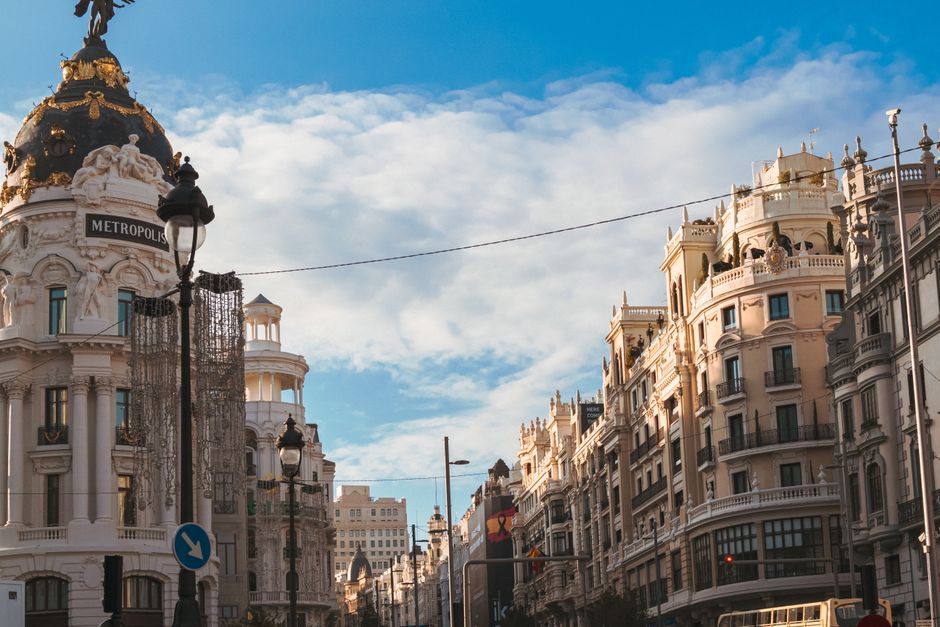
Walk down Paseo de la Castellana on any weekday and you'll witness Madrid's economic story in real time: construction cranes punctuate the skyline, gleaming office towers rise alongside converted historic buildings, and property valuations that seemed absurd five years ago now feel quaint. But beneath this visible transformation lies a more complex narrative about investment flows, interest rates, and cost of living that most madrileños sense but struggle to fully understand.
Spain's central bank data reveals that foreign direct investment into Madrid hit €4.2 billion in 2025, with 34 per cent flowing into real estate and logistics. This influx has concrete consequences. Average apartment prices in neighbourhoods like Salamanca have surged past €12,000 per square metre—up 18 per cent since 2023. Meanwhile, rental prices across central Madrid have climbed 12 per cent annually, outpacing wage growth by nearly double.
Investment flows act as leading indicators of economic health, but they also signal where money believes returns await. The European Central Bank's interest rate decisions ripple through Madrid's property market within months. When rates rose in 2023-24, many expected cooling. Instead, institutional investors—pension funds, real estate investment trusts, and foreign wealth managers—deployed capital aggressively into Madrid, betting on scarcity value in Europe's most dynamic capital.
The mechanics matter for your wallet. When investment capital concentrates in property, landlords gain negotiating power. Supply constraints in desirable areas like Chamberí and Retiro mean fewer options for renters and higher prices. A one-bedroom flat in central Madrid now averages €950 monthly—requiring roughly 35 per cent of median wages, well above the 30 per cent sustainability threshold economists recommend.
Yet the broader indicator picture remains mixed. Madrid's unemployment sits at 11.3 per cent, below Spain's national average but still elevated. Tourism and tech sectors continue attracting venture capital—Madrid received €680 million in venture funding during 2025—but this wealth concentrates among knowledge workers. Service sector jobs, which dominate employment, haven't tracked investment gains.
For businesses anchored in neighbourhoods like Latina or Malasaña, rising rents threaten viability. For residents, understanding these flows means recognising that cost-of-living pressures reflect rational investment calculations, not market dysfunction. Investment chases returns; capital flows toward perceived safety and growth potential.
Madrid's economic indicators suggest continued foreign confidence in the city's prospects. But that confidence increasingly prices out ordinary residents, creating tension between investment dynamism and social sustainability that policymakers cannot ignore much longer.
This article was compiled by AI from the sources linked above and screened before publishing. See our editorial standards.
How does this story make you feel?
Spread the word
About this article
Published by The Daily Madrid
Daily brief
Free, in your inbox before 7am. Weekdays.
More in Business