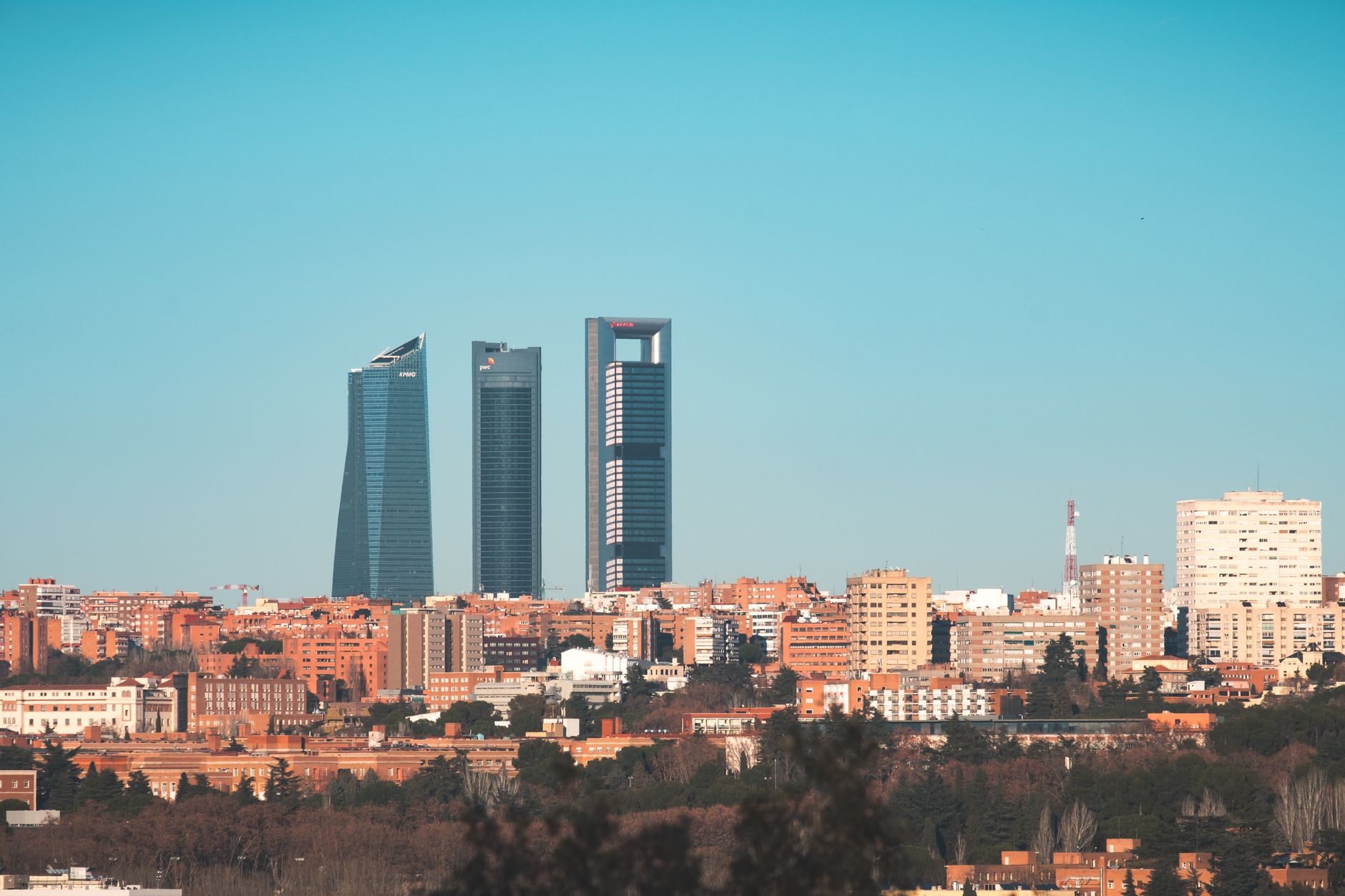
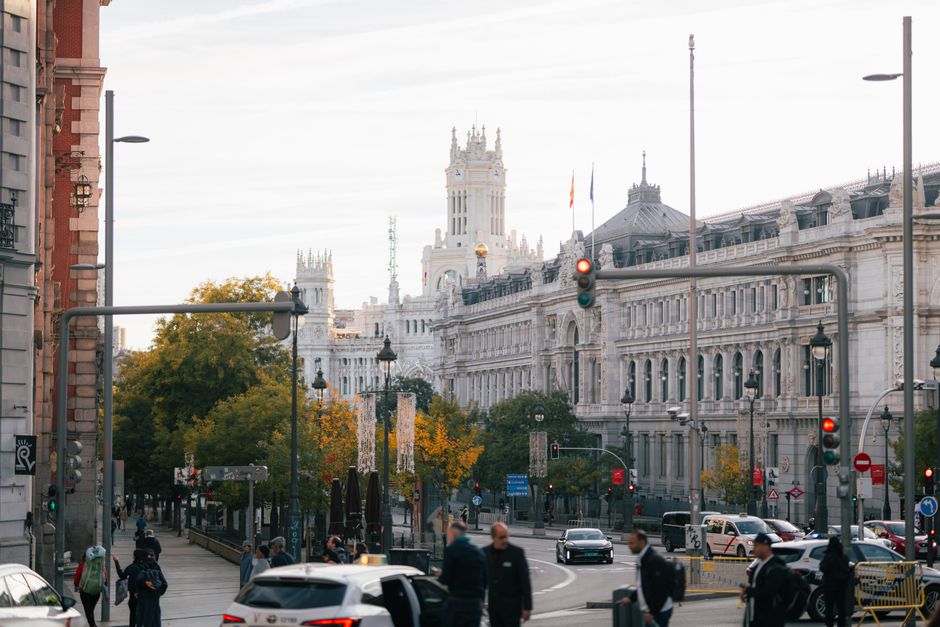
Madrid's retail and hospitality landscape, long celebrated as one of Europe's most dynamic, is confronting a confluence of headwinds that have begun to reshape the sector's trajectory in 2026. From the luxury flagships dotting Gran Vía to the independent tapas bars clustered around Plaza Mayor, operators are reporting tighter margins and harder decisions about expansion and staffing.
Labour costs remain the most pressing challenge. Minimum wage increases across Spain have pushed hourly rates for hospitality workers toward €13 in Madrid's premium zones, straining establishments already managing wafer-thin margins. Restaurant associations report that kitchen and service staff turnover has reached 35-40% annually, with many workers pivoting toward gig economy roles or relocating to northern Europe for higher wages. This instability has forced venues in neighbourhoods like Chueca and Malasaña to cut evening service hours or reduce seasonal menus.
Energy expenses compound the problem. Commercial electricity contracts in central Madrid climbed 18% year-on-year through Q1 2026, with air conditioning and refrigeration representing substantial fixed costs for food-service operators. A mid-sized restaurant running full capacity now reports energy bills exceeding €4,500 monthly—a figure that would have seemed unthinkable five years ago.
Retail faces its own distinct pressures. Footfall on Calle Preciados and surrounding shopping corridors has declined 12% compared to 2025, as consumer spending patterns shift toward online channels and discretionary purchases weaken amid broader economic uncertainty. Luxury goods retailers have been less affected, but mid-market fashion chains and department stores are reviewing portfolio strategies, with several announcing reduced store counts or strategic exits from secondary locations.
Supply chain disruptions, though less acute than in 2022-23, persist in specific categories. Food importers report unpredictable delivery windows for Mediterranean staples and seafood, complicating inventory planning for the capital's extensive fine-dining sector. Rental costs for prime commercial real estate around Sol and Retiro remain elevated, with annual leases for ground-floor retail space hovering above €150 per square metre.
Yet operators aren't entirely pessimistic. Tourism to Madrid through the first half of 2026 has remained resilient, with international visitor numbers tracking slightly ahead of 2025. Adaptive businesses—those investing in digital ordering, staff retention programmes, and energy-efficient infrastructure—report relative stability. The challenge lies in the time and capital required to implement these shifts while servicing existing debt and maintaining competitiveness in a crowded market.
Industry bodies are advocating for targeted fiscal measures, including temporary energy subsidies for hospitality and reduced social contributions for small employers. Whether policymakers respond before the sector's profitability threshold erodes further remains uncertain.
This article was compiled by AI from the sources linked above and screened before publishing. See our editorial standards.