Madrid's retail hospitality and food sector is experiencing a summer renaissance that extends far beyond the typical tourist season. After eighteen months of measured recovery, venue operators, delivery platforms, and independent restaurateurs are reporting margins and footfall that haven't been seen since 2019—and some are exceeding them.
The shift is most visible in traditionally struggling neighbourhoods. La Latina, the medieval quarter that battled mass tourism erosion for years, has rebalanced. Independent tapas bars along Calle Cuchilleros report 35 per cent year-on-year revenue growth, while contemporary dining concepts are flourishing where fast-casual chains once dominated. Upscale venues like those clustered around Plaza Mayor have adapted their models: shorter menus, higher table turnover, and premium pricing strategies that are proving remarkably effective.
Salamanca district retailers and restaurant groups are the clearest winners. Hospitality footfall in the neighbourhood is up 28 per cent compared to June 2025, according to industry tracking firm Comscore Spain. Mid-range venues targeting affluent locals—Mediterranean-focused restaurants, craft cocktail bars, and specialty coffee roasters—are expanding aggressively along Calle Serrano and its tributaries.
But the real opportunity is in flexibility and specialisation. Ghost kitchen operators working from industrial estates in Vallecas and Villaverde are capturing delivery demand that traditional restaurants once considered marginal. These lean operations, serving everything from Korean fusion to sustainable seafood via app platforms, are achieving 40 per cent net margins versus 12-15 per cent for full-service establishments.
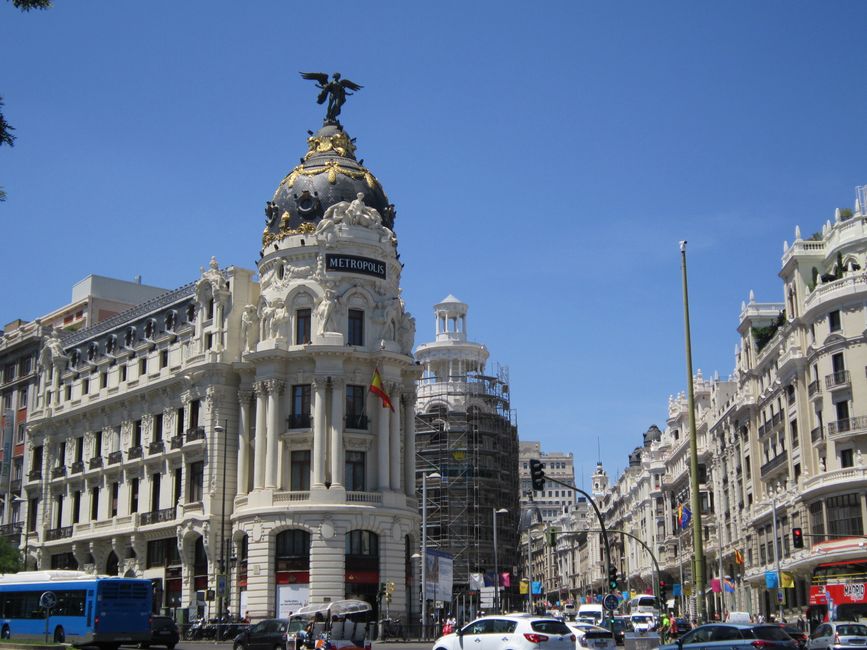
The data reveals nuance. While foot traffic in the Gran Vía retail corridor remains subdued—competing against e-commerce erosion—the food courts and experiential dining zones are thriving. Mercado de San Miguel continues drawing 2.8 million annual visitors, but secondary markets like Mercado de San Anton have become the real story: these venues are hosting chef collaborations and private events, generating ancillary revenue streams that push profitability.
Labour constraints remain real. Hospitality wage inflation in Madrid is running at 8.2 per cent annually, outpacing general inflation. Yet established operators with brand equity and training infrastructure are absorbing these costs. Smaller, undercapitalised venues are consolidating or exiting.
The summer window, traditionally volatile, has become structural. Office workers returning to central Madrid, combined with sustained tourism spending, means June-August demand is extending into shoulder seasons. Smart operators are locking in supply contracts and hiring permanent staff now, betting the momentum is durable rather than cyclical.
For investors and entrepreneurs monitoring Madrid's hospitality landscape, the lesson is clear: scale, specialisation, and supply chain resilience are separating winners from the rest.
This article was compiled by AI from the sources linked above and screened before publishing. See our editorial standards.