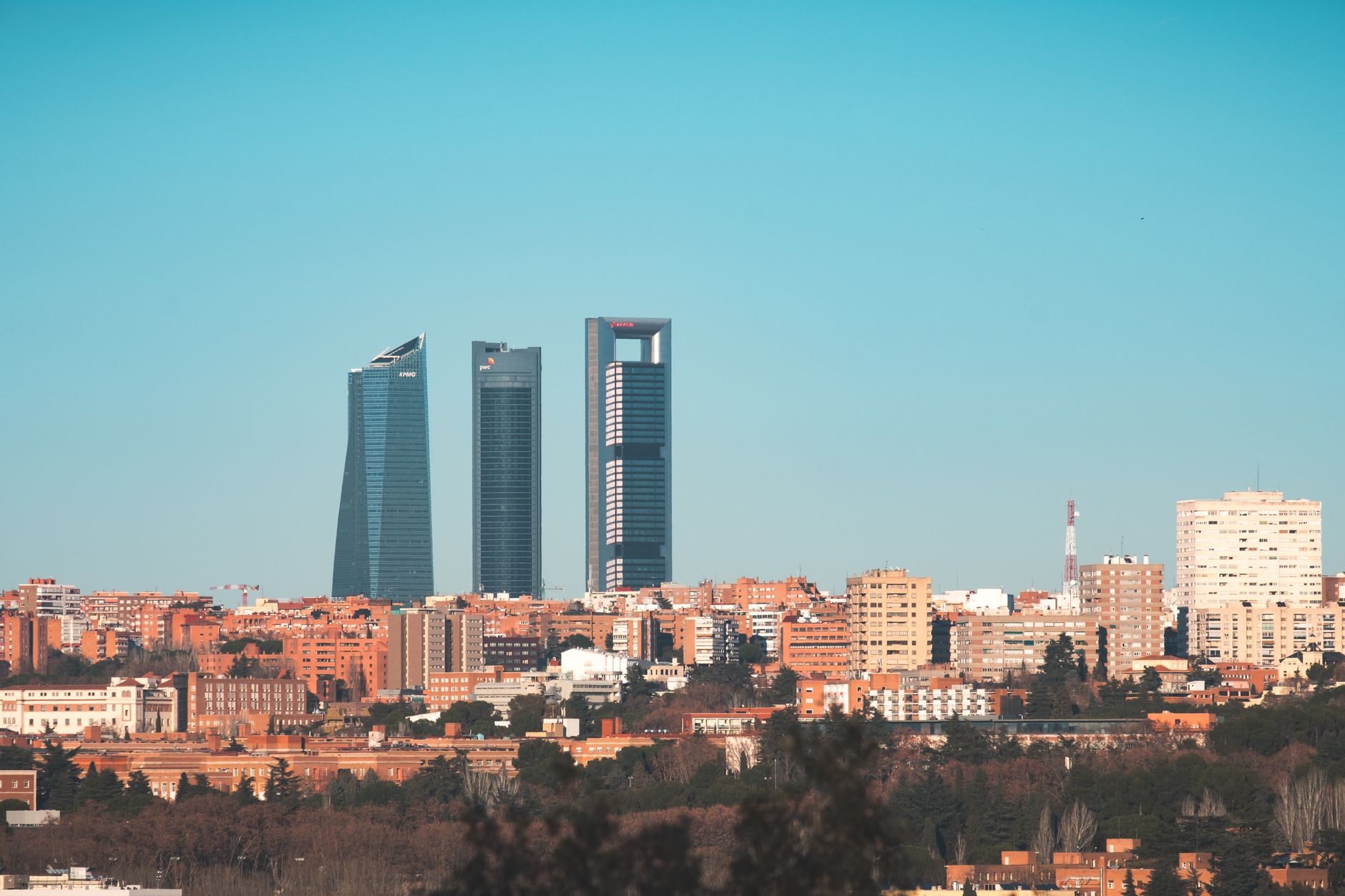
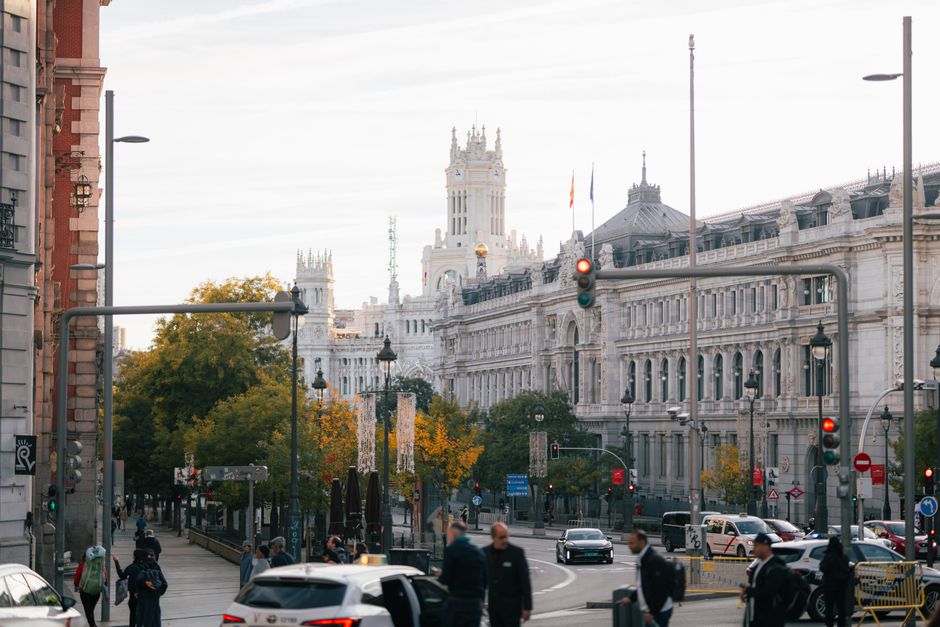
Walk into any café along Gran Vía or browse the aisles at Carrefour in Plaza de Castilla, and you'll notice it: prices creeping upward. A cortado that cost €2.10 last year now runs €2.50. A kilo of imported Colombian coffee has jumped nearly 15% since March. These aren't random increases. They're the direct result of seismic shifts in global trade that Madrid's 3.3 million residents are feeling in real time.
The culprit is complex, but boils down to this: the world's supply chains are reconfiguring. Geopolitical tensions—particularly between major economic powers—are forcing companies to rethink where they source goods and how they ship them. For Madrid, a city that imports roughly 40% of its food and consumer goods from outside Spain, these tremors matter deeply.
Consider what's happening at Puerto Autónomo de Madrid, the inland port facility that moves containers between Spain and global markets. Logistics companies report that shipping costs have doubled in some cases due to longer, riskier shipping routes and increased insurance premiums. When a container of Brazilian oranges or Vietnamese electronics costs more to transport, that expense gets passed to shops and ultimately to you.
Currency fluctuations compound the problem. The euro's recent volatility against the dollar has made American imports—everything from smartphones to machinery—considerably pricier for Spanish importers. A MacBook that cost €999 in January now costs €1,050. That's not Apple raising prices; that's exchange rates doing the math.
But there's another layer. Tariffs and trade barriers are multiplying. What once flowed freely between continents now faces friction. A fashion brand sourcing fabrics from three different countries now pays tariffs at each border. The accumulated cost reshapes their supply chain decisions—and your shopping bill reflects it.
For Madrid's working families, this matters most in food budgets. The Instituto Nacional de Estadística reported that food prices across Spain rose 3.2% in the past quarter alone, driven largely by imported goods. A family spending €400 monthly on groceries is effectively losing €50 in purchasing power compared to last year.
What can residents do? Understanding these patterns helps. Buy seasonal, locally-sourced produce at Madrid's traditional markets—Mercado de San Miguel or neighborhood mercadillos—where supply chains are shorter and margins tighter. Monitor which products you genuinely need versus want. And consider that the cheapest option often comes with hidden global costs.
Madrid's economy thrives on international trade. But for now, that connection comes with a premium that everyday consumers must understand and navigate.
This article was compiled by AI from the sources linked above and screened before publishing. See our editorial standards.