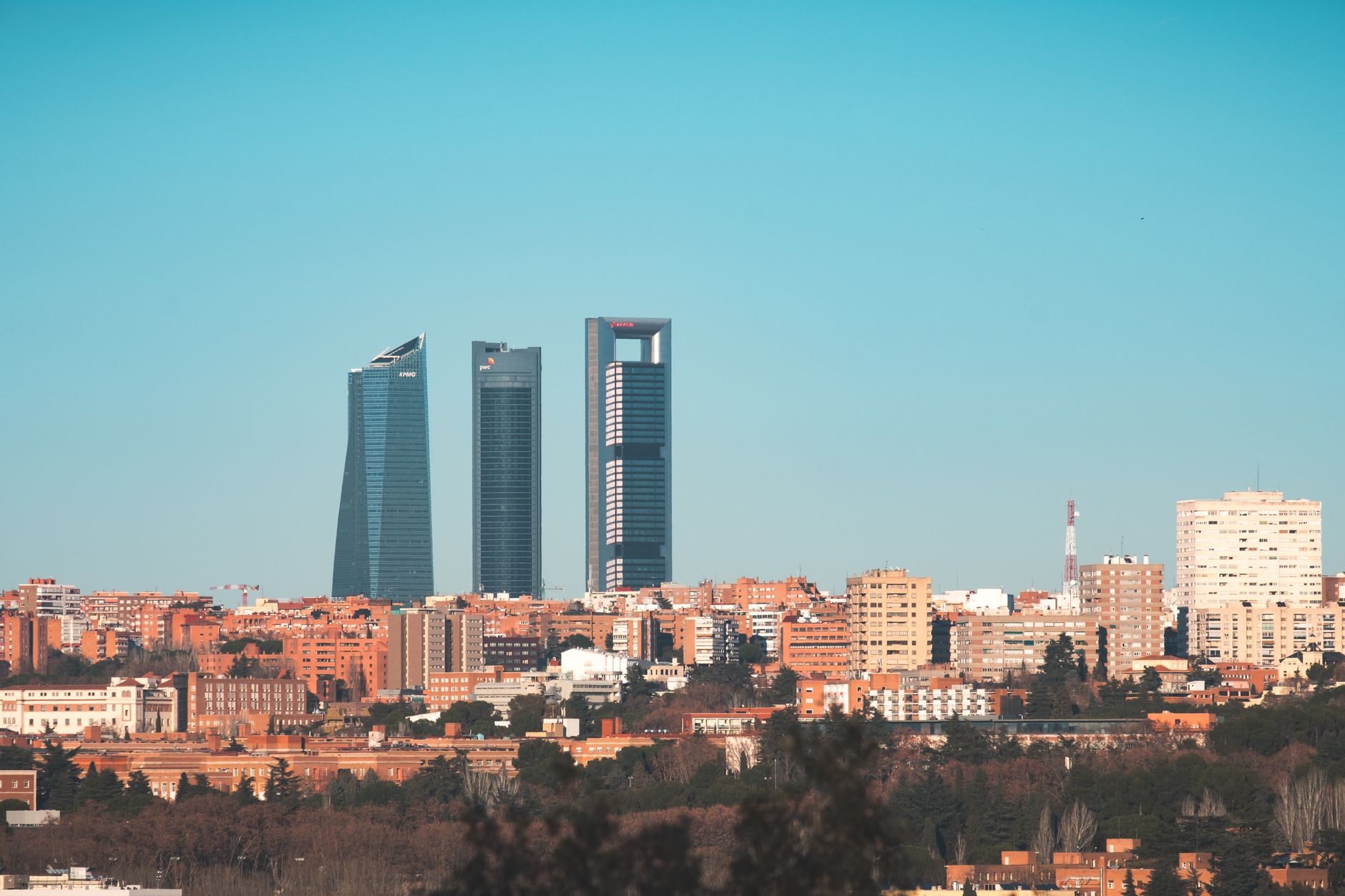
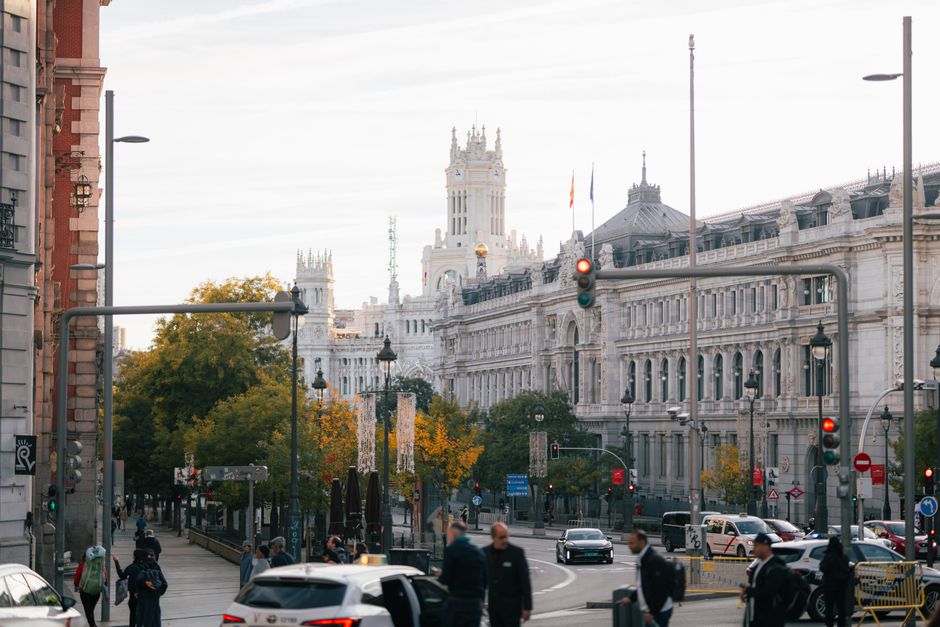
Madrid's visitor economy is firing on all cylinders, but beneath the headline figures lies a complex story of capital deployment, occupancy rates, and shifting demand patterns that tell a clearer picture of where the real money flows.
Last year, Madrid welcomed 9.2 million overnight visitors—a 12% increase on 2024—generating an estimated €4.8 billion in direct spending. What matters more to investors and city planners, however, is the composition of that revenue stream. While leisure tourism recovered predictably post-pandemic, the data increasingly shows that high-value business travel and conference tourism are commanding premium pricing. A four-night corporate stay in the Paseo de la Castellana district now averages €180 per room night, compared to €95 for leisure travellers in Malasaña.
This disparity is driving capital allocation decisions. Major institutional investors—particularly European pension funds and American REITs—have deployed €2.3 billion into Madrid hospitality assets in the past 18 months. The trend reflects a calculated shift: luxury and upper-midscale properties in neighbourhoods like Chamberí and Retiro are attracting premium multiples of 14-16x EBITDA, whilst budget segments languish at 10x or below.
Hotel occupancy across the metropolitan area averaged 73% through the first half of 2026, slightly above the European average of 71%, but the real signal comes from revenue per available room (RevPAR). Madrid's RevPAR growth of 8.3% year-on-year outpaces Barcelona's 5.1%, suggesting the capital is winning the competition for both volume and yield.
Construction investment tells another revealing story. Eight major hotel projects totalling 1,200 rooms are under development, concentrated along the Avenida América and near the newly expanded Ifema conference centre. Developers are betting heavily that the convention market—conferences and exhibitions generated €680 million last year—will sustain double-digit growth through 2028.
Yet economic indicators warrant caution. Airbnb's average nightly rate in central Madrid has compressed 7% year-on-year, suggesting oversupply in short-term rentals is creating pricing pressure. Meanwhile, the municipality's decision to cap new tourist licenses—implemented in March—has begun reshaping capital flows toward regulated hotel development, away from the fragmented short-rental market.
For investors and policymakers, the lesson is clear: Madrid's tourism recovery is real and substantial, but understanding which segments command pricing power and where capital genuinely flows reveals the difference between headline growth and sustainable, profitable expansion.
This article was compiled by AI from the sources linked above and screened before publishing. See our editorial standards.