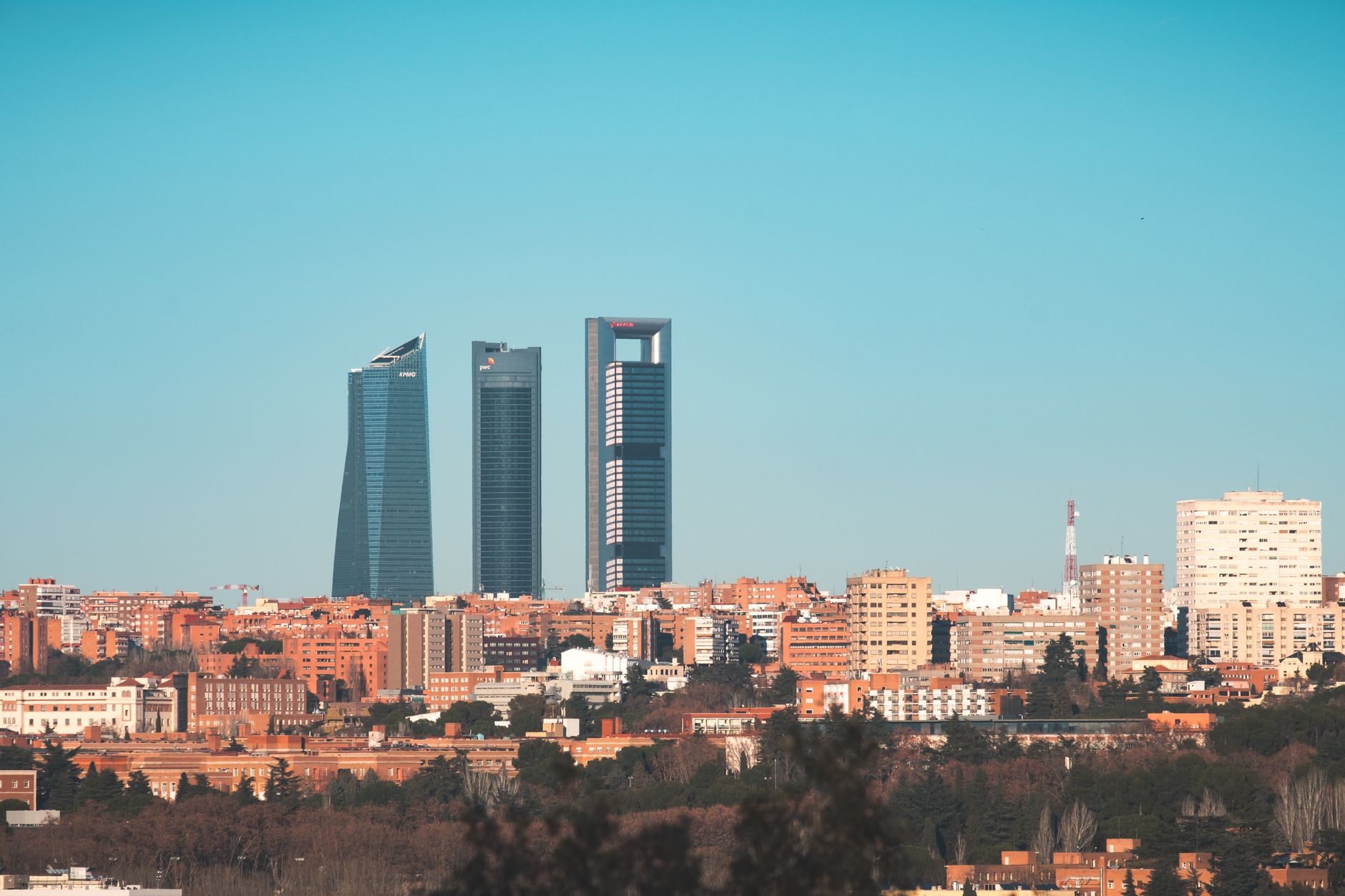
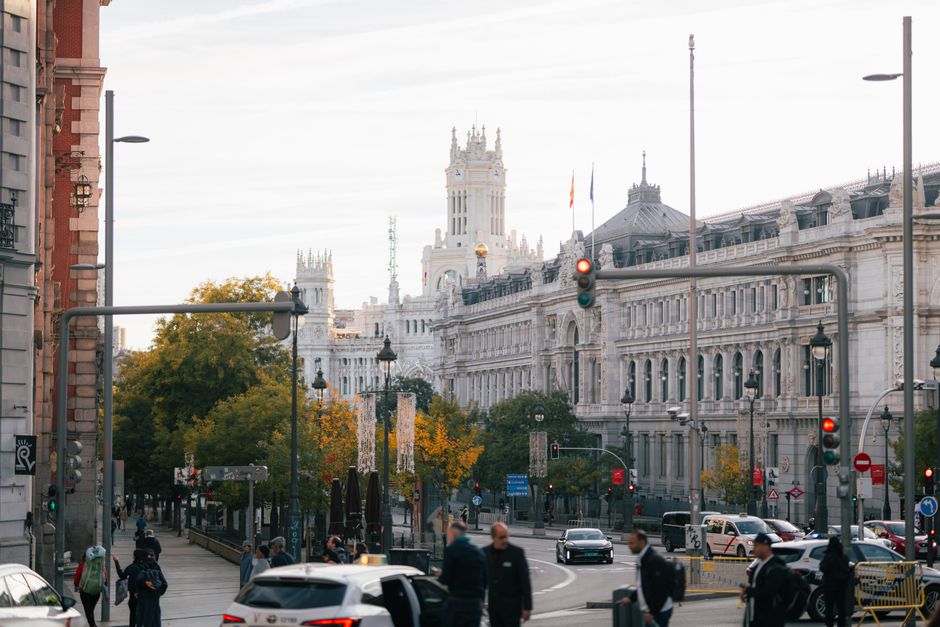
Madrid's visitor economy is experiencing a pronounced acceleration that has not gone unnoticed by those positioned to benefit. Through the first half of 2026, the city has welcomed approximately 4.2 million international tourists, outpacing 2025 figures by 18 percent and approaching the historical highs seen in 2019. For business owners across the capital's diverse districts, this surge represents a tangible opportunity—one that is already reshaping the competitive landscape.
The shift is most visible in traditionally underexplored neighbourhoods. La Latina, with its medieval plazas and proximity to the Royal Palace, has become a magnet for mid-range visitors seeking authentic experiences beyond the Gran Vía corridor. Boutique hotel operators in the district report occupancy rates hovering near 87 percent, up from 72 percent two years ago. Room rates have climbed from an average of €95 to €135 per night, according to local hospitality associations, benefiting both established properties and newer conversions of residential buildings into tourist accommodations.
Cultural institutions have emerged as unexpected winners in this expansion. The Reina Sofía Museum, home to Picasso's Guernica and increasingly popular with younger demographics, now operates extended evening hours three nights weekly to accommodate demand. Smaller galleries along the Paseo del Prado have introduced tiered pricing and fast-track entry options. Museo Sorolla in Chamberí, once considered a secondary attraction, reports a 34 percent increase in annual visitors compared to 2024.
The restaurant and beverage sector shows clearest evidence of stratification. High-end establishments in Salamanca continue to command premiums, but mid-market operators in Malasaña and Chueca—neighbourhoods with lower commercial rents—are capturing volume with carefully curated menus targeting international palates. Several successful tapas ventures have expanded from single locations to three or four outlets across the city in just 18 months.
Transportation companies and tour operators have benefited enormously. Coach operators report 64 percent higher bookings for Madrid routes compared to last year, while bicycle rental outfits have grown from approximately 12 licensed operators to 31 in the past two years alone.
Yet not all segments participate equally. Traditional department stores and legacy retail on Paseo de Gracia have seen modest gains, while experiential tourism—cooking classes, art workshops, neighbourhood walking tours—has grown at triple-digit rates. The emerging pattern suggests that agility and a willingness to embrace non-traditional tourism models are increasingly rewarding in the current environment.
This article was compiled by AI from the sources linked above and screened before publishing. See our editorial standards.