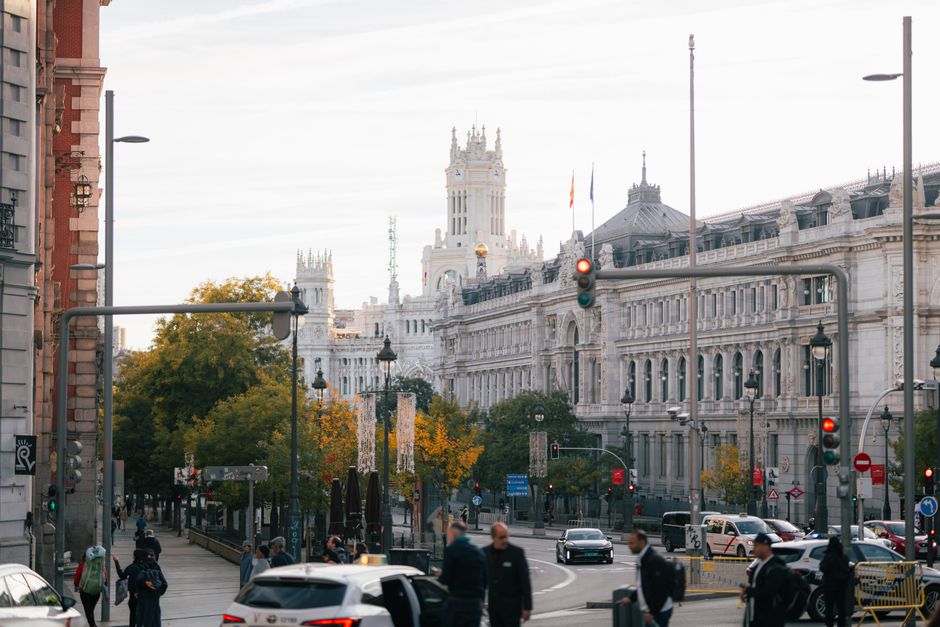
Madrid's Tech Startups Face Headwinds as Global Instability Reshapes Investment Flows
Geopolitical tensions and economic uncertainty are forcing the capital's innovation district to rethink funding strategies and talent recruitment.
Geopolitical tensions and economic uncertainty are forcing the capital's innovation district to rethink funding strategies and talent recruitment.
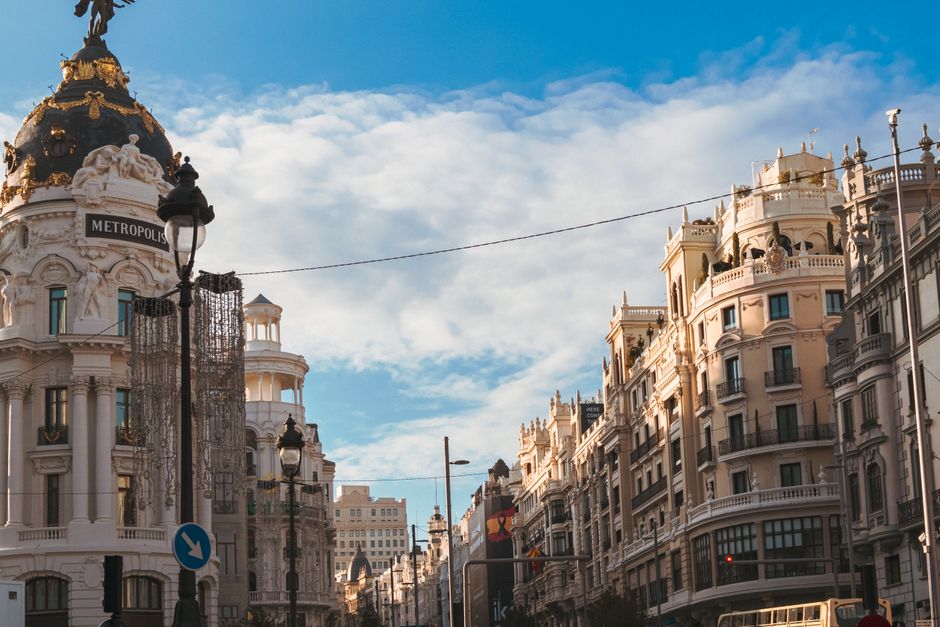
Madrid's burgeoning startup ecosystem is feeling the reverberations of global instability in ways that extend far beyond headline news. The concentration of venture capital firms, incubators, and tech companies clustered around the Distrito Telefónica and Plaza de Santa Bárbara is experiencing a measurable shift in investor behaviour as geopolitical tensions, economic uncertainty, and supply chain fragility reshape where money flows and where talent decides to build.
The numbers tell a sobering story. According to data from Madrid's Chamber of Commerce, tech sector investment in the capital reached €2.3 billion in 2025—down 18 per cent from the previous year. Industry analysts attribute this decline not merely to local conditions, but to international investors reassessing their global portfolios amid escalating regional conflicts and unpredictable policy shifts. When major powers face diplomatic breakdowns or military posturing, venture capitalists become cautious.
"International limited partners are pulling back," explains one venture capital manager operating from an office tower on Paseo de la Castellana, who requested anonymity. "They're telling us to focus on defensive sectors—cybersecurity, supply chain resilience, domestic market solutions. The appetite for moonshot bets has evaporated."
The implications for Madrid's innovation corridor are tangible. Office space in the Barrio de Salamanca, traditionally a hub for tech recruiting, has seen rental rates stabilise at €18-22 per square metre monthly, down from peaks of €25 in 2024. Meanwhile, talent acquisition has become fiercer. Spanish engineers and product managers are increasingly fielding offers from remote-first companies based in more geographically insulated hubs, making local firms less competitive.
Yet opportunity persists within constraint. Madrid's startup community is pivoting toward sectors offering relative shelter from global volatility: renewable energy infrastructure, financial technology serving European markets, and AI applications in healthcare and logistics. Several incubators operating from converted industrial spaces in the Malasaña district report strong interest in companies addressing European resilience challenges—precisely the problems that geopolitical fragmentation makes urgent.
The real challenge for Madrid's business community is adaptation. The city's position as Spain's capital and Europe's gateway to Latin America has historically been an advantage. Now, however, geopolitical risk itself has become a variable in every investment decision. Startups that once pitched global ambitions are learning to frame themselves as reliable partners for European stability. Those that acknowledge global headwinds while offering localised solutions are finding investors remain willing to listen.
This article was compiled by AI from the sources linked above and screened before publishing. See our editorial standards.
How does this story make you feel?
Spread the word
About this article
Published by The Daily Madrid
Daily brief
Free, in your inbox before 7am. Weekdays.
More in Business