Madrid's vaunted startup ecosystem is confronting a sobering reality this year: explosive growth in office space costs is pricing out early-stage founders, while brain drain to better-capitalised markets threatens the city's reputation as southern Europe's innovation capital.
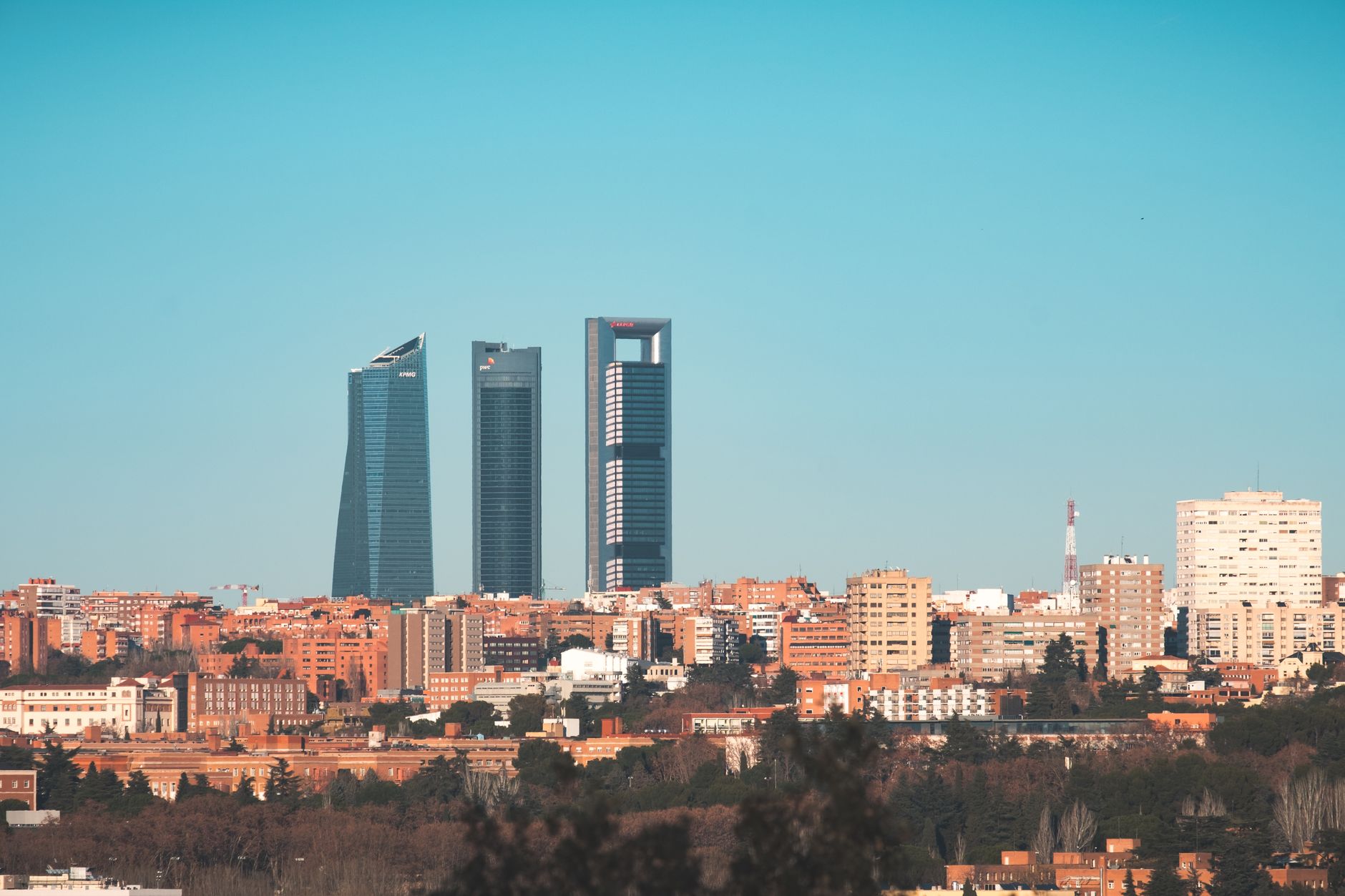
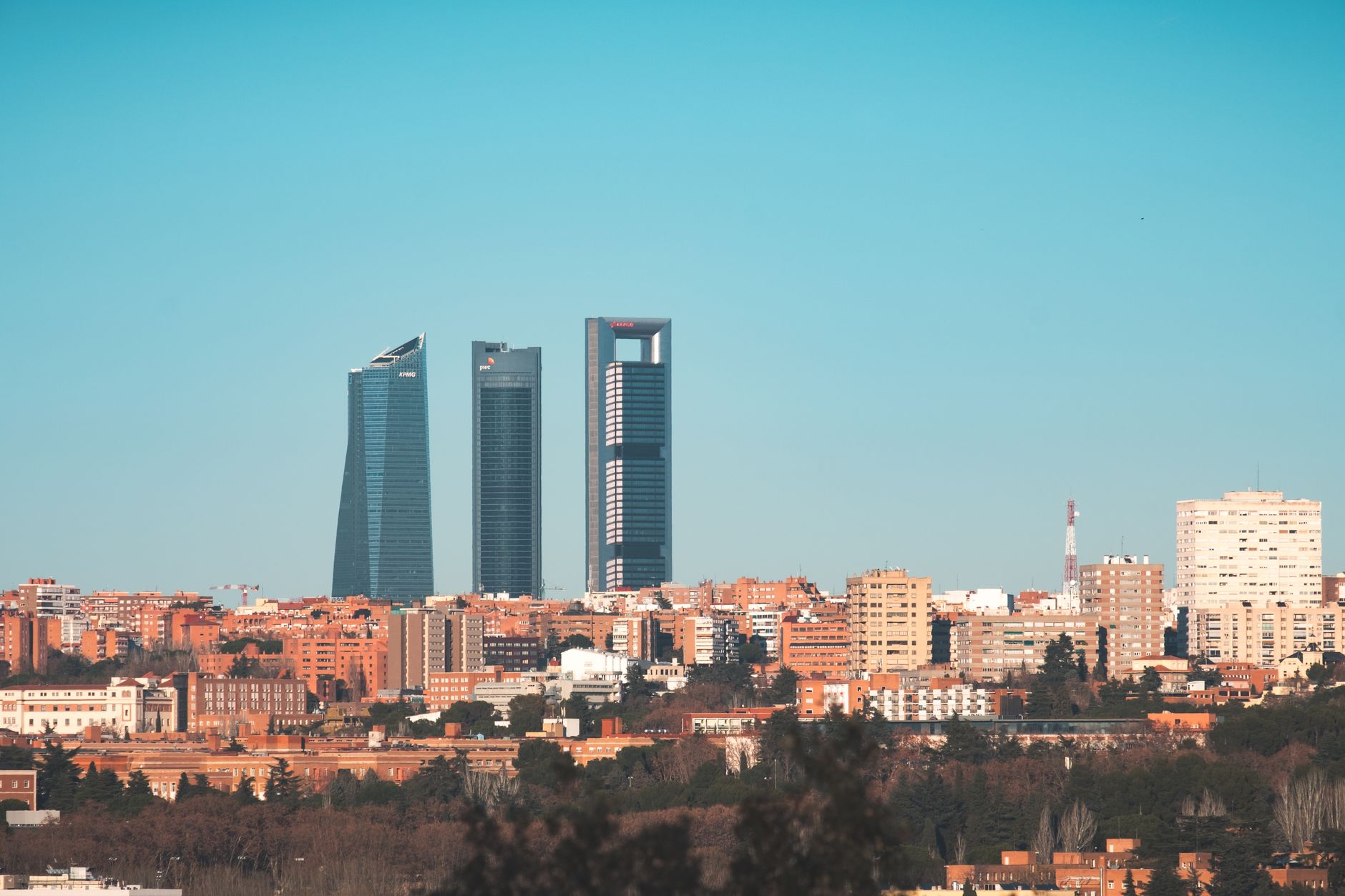
The challenge is most acute in the neighbourhoods that have become synonymous with Madrid's tech renaissance. Commercial rents in the Salamanca district and around the Paseo de la Castellana corridor have climbed roughly 18 per cent since 2024, with prime square metres now commanding €850 to €1,200 annually—a far steeper trajectory than wage growth among junior developers and engineers. For a ten-person startup, securing adequate office space on a pre-revenue budget has become genuinely prohibitive.
"We're seeing founders make harder choices," said one venture capital investor who declined to be named, reflecting a broader anxiety across the sector. Coworking spaces like those clustered around Plaza de Castilla have absorbed some overflow, but their temporary nature and lack of long-term stability make them unattractive for companies seeking to establish institutional credibility.
The regulatory environment has also become more demanding. Changes to Spain's visa framework for non-EU talent, combined with Madrid's evolving tax incentives for tech companies, have created uncertainty about talent acquisition strategies that many startups relied upon during the boom years of 2023 to 2025. Several founders have quietly explored relocating operations to Lisbon or Barcelona, where incentive packages remain more competitive.
Funding dynamics have shifted too. While venture capital remains available, investors are increasingly gravitating towards Series B and later-stage companies with proven revenue models, leaving seed-stage founders to compete fiercely for limited capital. The number of angel investor networks active in Madrid has contracted, and initial cheque sizes have softened noticeably.
The Spanish government's commitment to positioning Madrid as Europe's "Silicon Valley" has yielded genuine infrastructure improvements—the technology cluster near IFEMA remains world-class—but policy measures haven't kept pace with the sector's actual pain points. Rhetoric about innovation frequently overshadows the grinding operational reality facing founders in co-working hubs across Chamberí and Retiro.
Yet observers caution against apocalyptic readings. Madrid retains significant structural advantages: a large, educated workforce; proximity to major European markets; and the cultural magnetism of a global city. The current headwinds may ultimately sift out weaker ventures while creating opportunities for more sustainable, locally-rooted startups to flourish. Whether Madrid's ecosystem can navigate this inflection point gracefully remains an open question as the year enters its second half.
This article was compiled by AI from the sources linked above and screened before publishing. See our editorial standards.