Reading the Signals: What Madrid's Trade Data Reveals About Global Investment Flows
As economic indicators flash mixed signals worldwide, Madrid's business leaders are learning to decode which flows of capital matter most for the city's future.
As economic indicators flash mixed signals worldwide, Madrid's business leaders are learning to decode which flows of capital matter most for the city's future.
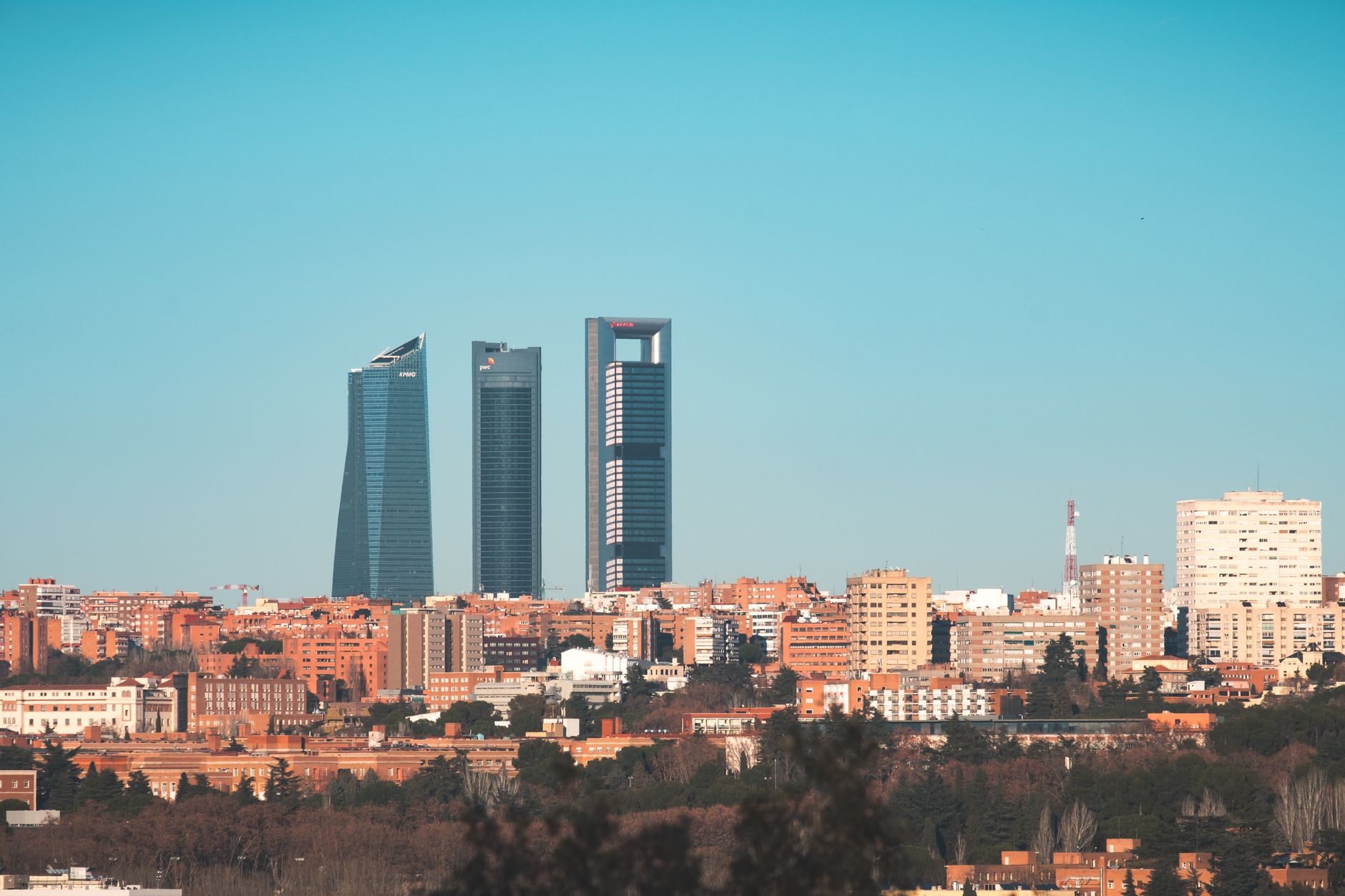
Walk into any of the gleaming office towers along the Paseo de la Castellana, and you'll find traders, analysts, and fund managers intensely focused on a single question: where is the money actually going?
The answer matters profoundly for Madrid. Spain's capital has emerged as a critical hub for European investment flows, particularly as companies reassess supply chains and geopolitical risk. Recent data from the Chamber of Commerce shows foreign direct investment into the Madrid region reached €8.2 billion in the first quarter of 2026—a 14% increase compared to the same period last year. But understanding what these numbers truly signify requires looking beyond the headlines.
Economic indicators operate like a complex language, and Madrid's business community has become increasingly fluent. The most telling sign involves sectoral flows. Technology investments remain robust, with venture capital firms in the financial district near Avenida Diagonal showing particular interest in artificial intelligence and green tech startups. Yet manufacturing investment—traditionally a bellwether of confidence in physical production—has softened noticeably. This pattern repeats across Europe, suggesting companies are prioritising intellectual capital and automation over labour-intensive expansion.
Currency movements provide another crucial signal. The strength of the euro against emerging market currencies has made Spanish industrial exports more expensive but simultaneously made Spain a more attractive destination for currency-hedging investment strategies. Fund managers at offices throughout the Salamanca neighbourhood have recalibrated their positioning accordingly.
What's particularly striking is the geographic shift in investment origins. While North American funds remain the largest source, allocations from Middle Eastern and Asian investors have grown substantially—up 23% year-over-year. This reflects broader global capital rebalancing as investors seek exposure to Europe's relative stability amid geopolitical tensions elsewhere.
Interest rate expectations represent perhaps the most volatile indicator currently. Madrid's real estate sector, which drove substantial foreign capital inflows during the 2015-2019 period, has faced headwinds as investment yields compress. Premium office space in the CBD now commands €550-€650 per square metre annually, compared to €480 two years ago, but occupancy rates suggest price discovery rather than demand surge.
For Madrid's business establishment—whether gathered at conferences in the IFEMA convention centre or conducting due diligence in law offices throughout the Retiro district—the lesson is clear: investment flows respond to structural economics, not sentiment. Rising corporate tax rates in Northern Europe, regulatory clarity in Spain's renewable energy sector, and Madrid's position as a European headquarters hub continue attracting capital, even as global growth forecasts soften. The question is no longer whether money flows to Madrid, but which types of investment Madrid can expect to attract and retain.
This article was compiled by AI from the sources linked above and screened before publishing. See our editorial standards.
How does this story make you feel?
Spread the word
About this article
Published by The Daily Madrid
Daily brief
Free, in your inbox before 7am. Weekdays.
More in Business