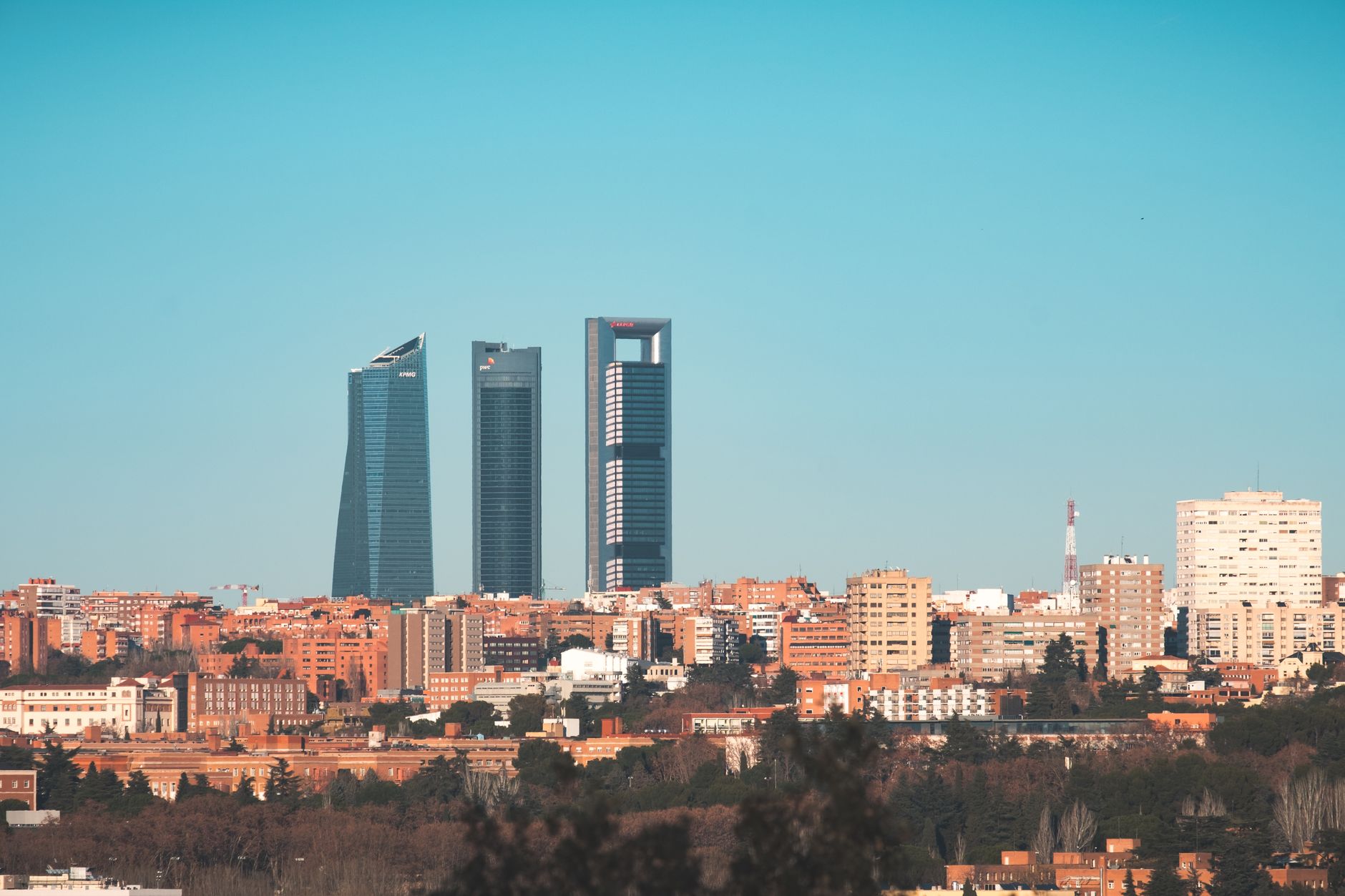
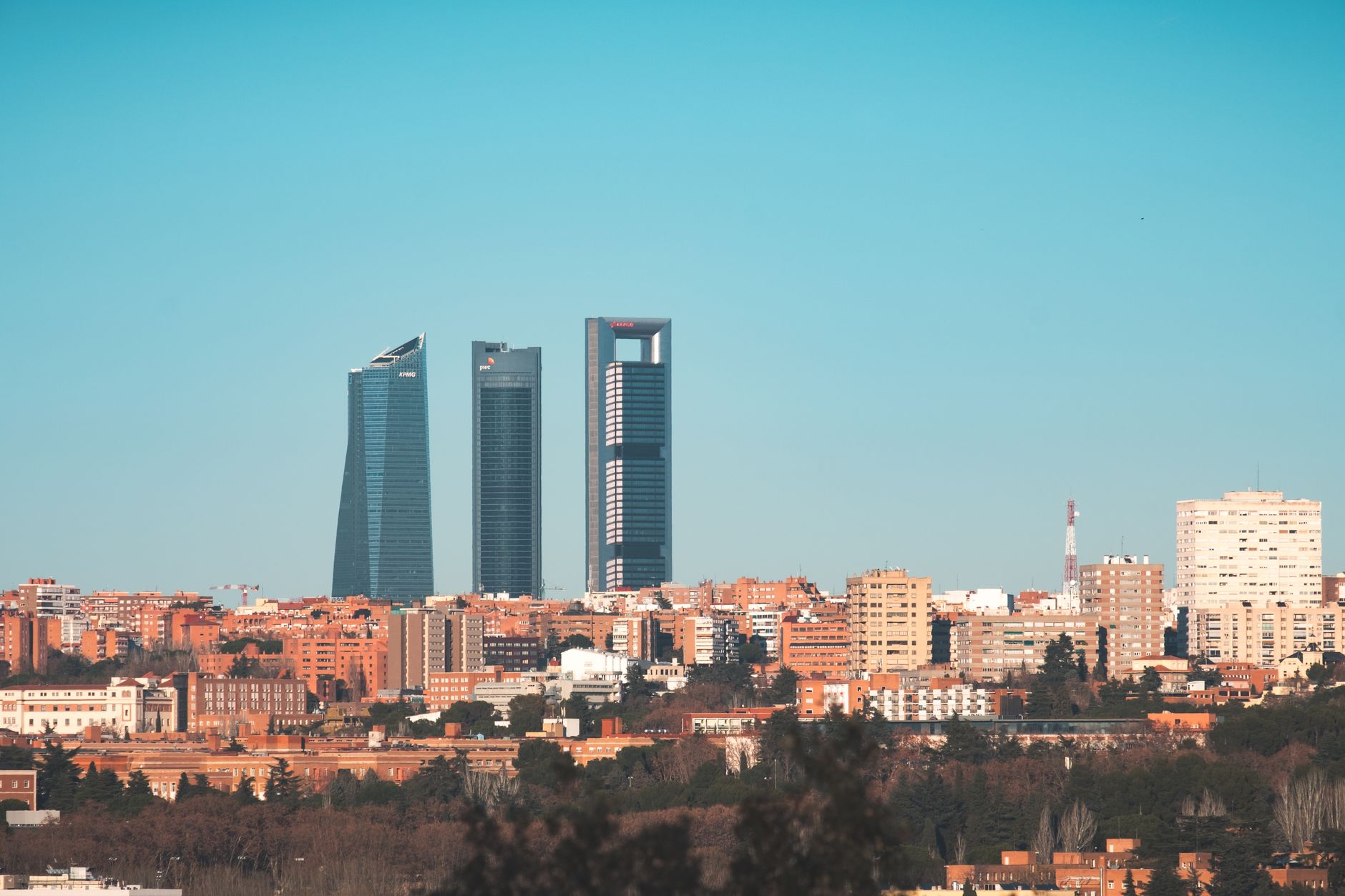
Madrid's employment landscape, long buoyed by its status as Spain's economic engine, is facing unprecedented headwinds as 2026 enters its second half. Despite the city's reputation as a magnet for multinational corporations and startup hubs clustered around areas like the Almendra Central and the burgeoning tech corridor near Plaza de Castilla, business leaders and recruitment specialists are sounding alarms about structural challenges threatening job creation and workforce stability.
The most pressing issue facing employers is the spiralling cost of doing business in Madrid. Office rental in prime districts along Paseo de la Castellana and around the financial hub of AZCA has surged to €35-40 per square metre monthly, up nearly 18 percent since early 2025. Simultaneously, residential housing costs continue to crush worker purchasing power, with average apartment rents in neighbourhoods like Chamberí and Salamanca consuming upwards of 40 percent of median salaries—well above the sustainable threshold of 30 percent.
"We're seeing companies seriously reconsider their Madrid footprints," says a spokesperson for the Madrid Chamber of Commerce, reflecting widespread concerns. Several mid-sized tech firms have already migrated operations to secondary Spanish cities or shifted to hybrid models, reducing their permanent headcount in the capital.
The skills mismatch compounds these challenges. While sectors like financial services, software development, and tourism management report strong demand for workers, schools and training institutions have struggled to keep pace. The shortage is particularly acute in specialised fields—cloud infrastructure engineers, data scientists, and multilingual customer service professionals remain in critically short supply, forcing companies to poach talent through aggressive salary competition.
Youth unemployment remains stubbornly elevated at 28 percent among those under 25, according to recent municipal employment data, even as mature sectors struggle to fill vacancies. Young Madrileños report dissatisfaction with entry-level wages that fail to offset living costs, creating a vicious cycle of talent drain and unfilled positions.
Additional strain comes from regulatory shifts and the broader European economic slowdown. Companies expanding within Madrid face lengthy permitting processes, while international uncertainty has made hiring freezes more common across major corporations headquartered in the Zona de Negocios.
Recovery may hinge on coordinated action: pressure is mounting on regional authorities to tackle housing affordability, while business groups advocate for streamlined hiring incentives and worker training subsidies. Without intervention, Madrid risks ceding competitive advantage to rival European capitals competing for talent and investment.
This article was compiled by AI from the sources linked above and screened before publishing. See our editorial standards.