Madrid Tourism Impact on Residents: 2025 Guide
10.2M visitors reshape Madrid's economy, neighborhoods, and daily life. Learn how tourism affects your commute, costs, and local businesses.
10.2M visitors reshape Madrid's economy, neighborhoods, and daily life. Learn how tourism affects your commute, costs, and local businesses.
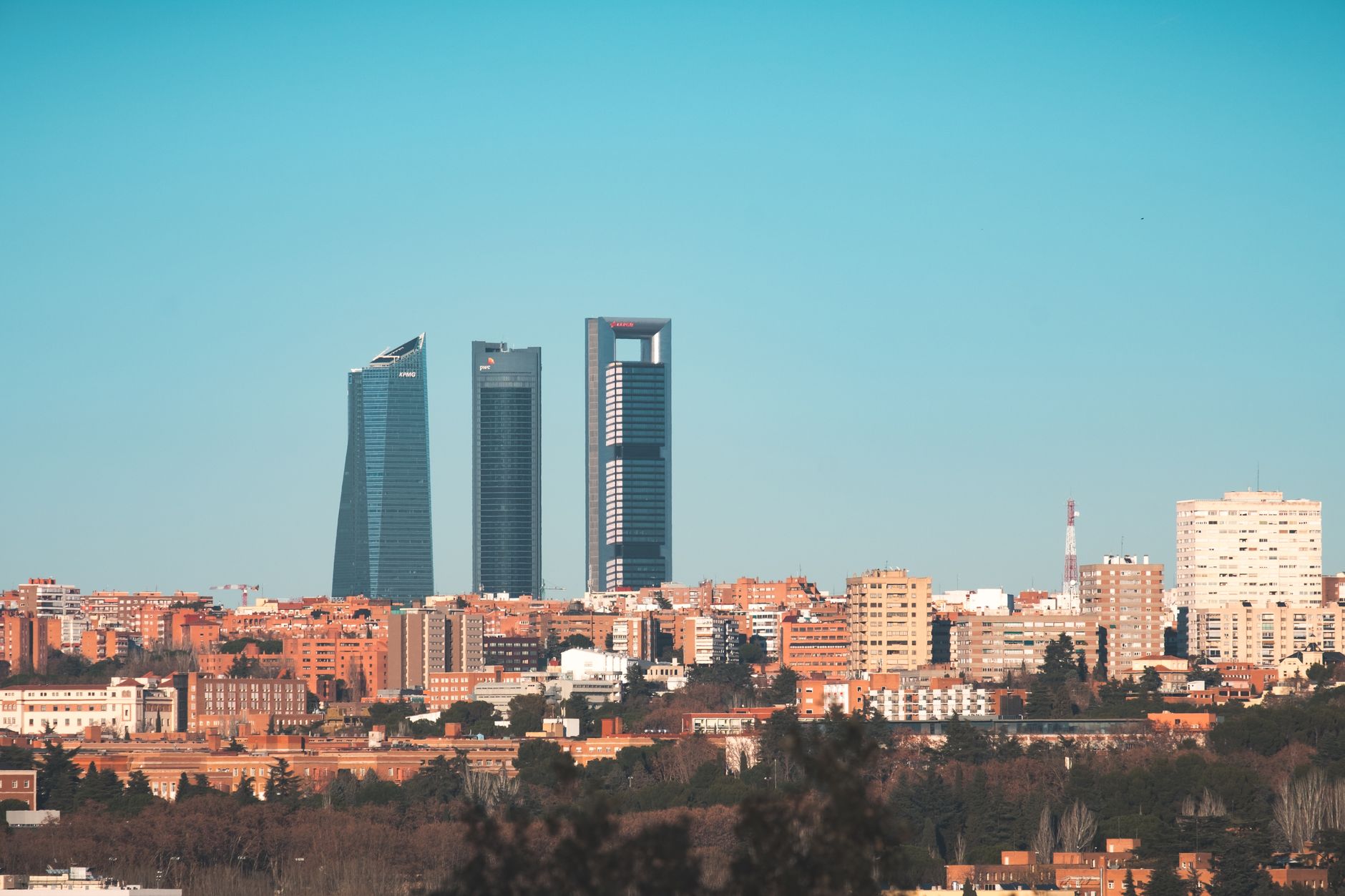
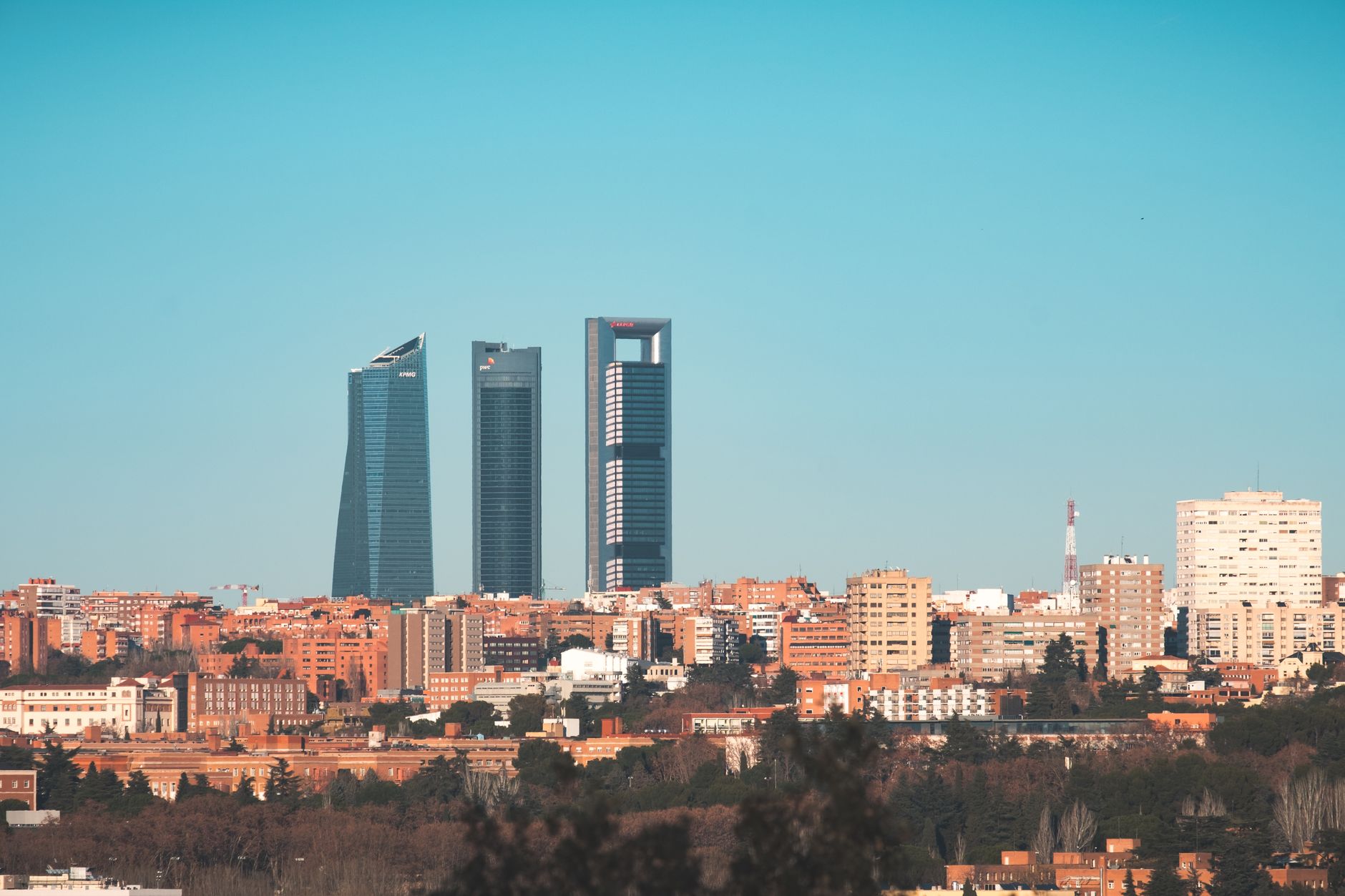
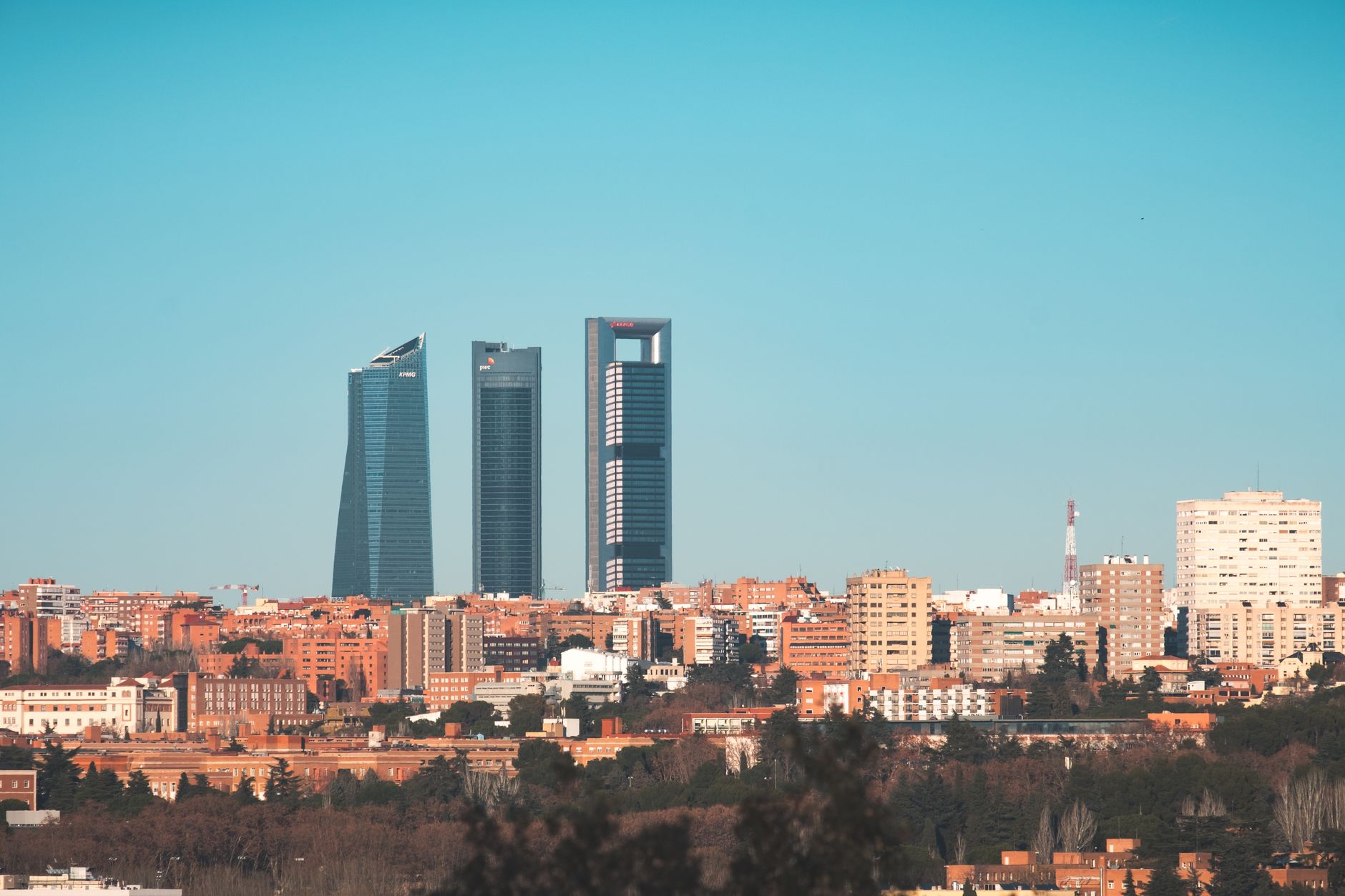
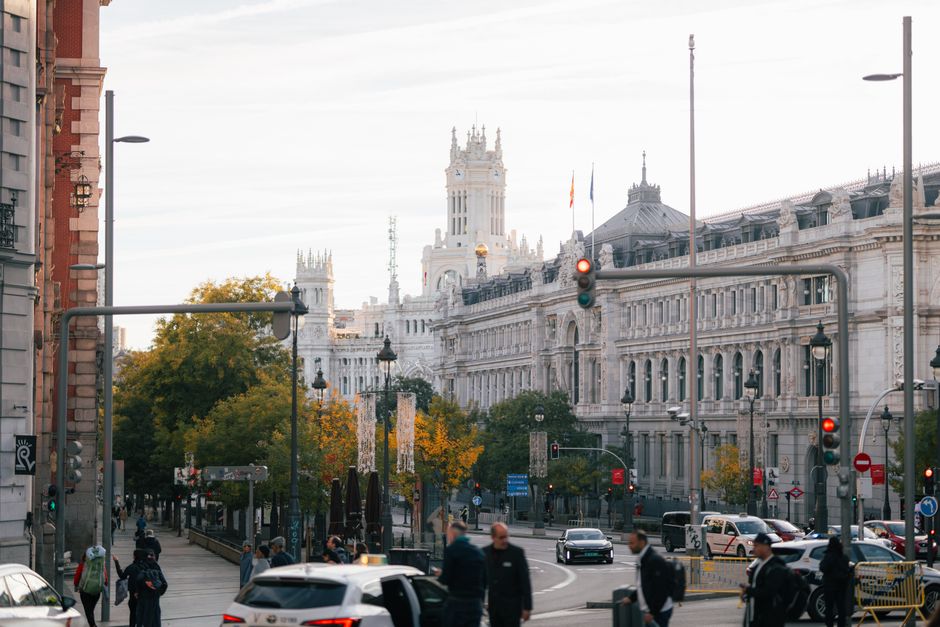
Madrid welcomed 10.2 million visitors last year, a 23 per cent increase from 2024, and the momentum shows no signs of slowing. While tourism generates roughly €18 billion annually for the Madrid region and supports tens of thousands of jobs, the reality on the ground is more nuanced than headline numbers suggest. Understanding what's happening matters whether you live here, work here, or plan to visit.
The economic benefits are genuine. Hotels across the city centre—from Sol to Plaza Mayor—are operating at near-capacity rates, pushing room prices up 15-18 per cent compared to three years ago. Restaurant reservations in La Latina and around Gran Vía now require planning weeks in advance. Small businesses in these neighbourhoods report stronger turnover, though many struggle with rising commercial rents that landlords are hiking to capitalise on foot traffic. A corner café on Calle Mayor that paid €2,500 monthly five years ago now faces €4,200 quotes at lease renewal.
For residents, the impact is mixed. Congestion on metro lines serving major attractions—particularly lines 1 and 2—peaks during tourist season, with platforms at Tirso de Molina and Plaza Mayor stations regularly exceeding safe density. Bus routes 3 and 5, which loop the historic centre, run 40 per cent fuller than pre-pandemic levels. Local authorities have added capacity, but complaints about overcrowding remain common.
Prices for everyday goods in high-tourist zones have climbed noticeably. A coffee in Malasaña costs €2.50 on average; the same drink in less-visited neighbourhoods like Arganzuela sits closer to €1.80. Retailers report that landlords prioritise multinational chains over independent shops, gradually reshaping the character of traditionally Spanish commercial streets.
The Prado, Reina Sofía, and Thyssen-Bornemisza museums now employ timed-entry systems to manage crowds—booking ahead is essential, and premium slots cost €20-25 versus standard €15 admission. Cultural venues are investing in expanded hours and additional staff, but peak-season experiences feel increasingly rushed.
For property owners and renters, tourism has created new opportunities. Short-term rental platforms have made residential apartments attractive to investors, reducing long-term rental supply in desirable areas and putting upward pressure on ordinary housing costs for locals. The Madrid city council has been implementing licensing restrictions to address this, but enforcement remains patchy.
The key takeaway: Madrid's tourism economy is reshaping the city faster than most residents realise. Whether that's positive depends on your perspective—and your pocket.
This article was compiled by AI from the sources linked above and screened before publishing. See our editorial standards.
How does this story make you feel?
Spread the word
About this article
Published by The Daily Madrid
Daily brief
Free, in your inbox before 7am. Weekdays.
More in Business