When Isabel Fernández de la Cruz first acquired a sprawling 1960s textile factory on Calle de Luchana in Chamberí three years ago, Madrid's commercial property market was already showing signs of transformation. What others saw as a liability—an ageing industrial building in a neighbourhood still recovering its reputation—she recognised as opportunity.
Today, the 8,500-square-metre complex, rebranded as "Luchana Studio," stands as a flagship example of adaptive reuse reshaping Madrid's office landscape. The project leases converted warehouse space at €18 per square metre monthly, a figure that undercuts premium Salamanca office rents while commanding prices 35 per cent above comparable Chamberí stock from five years ago.
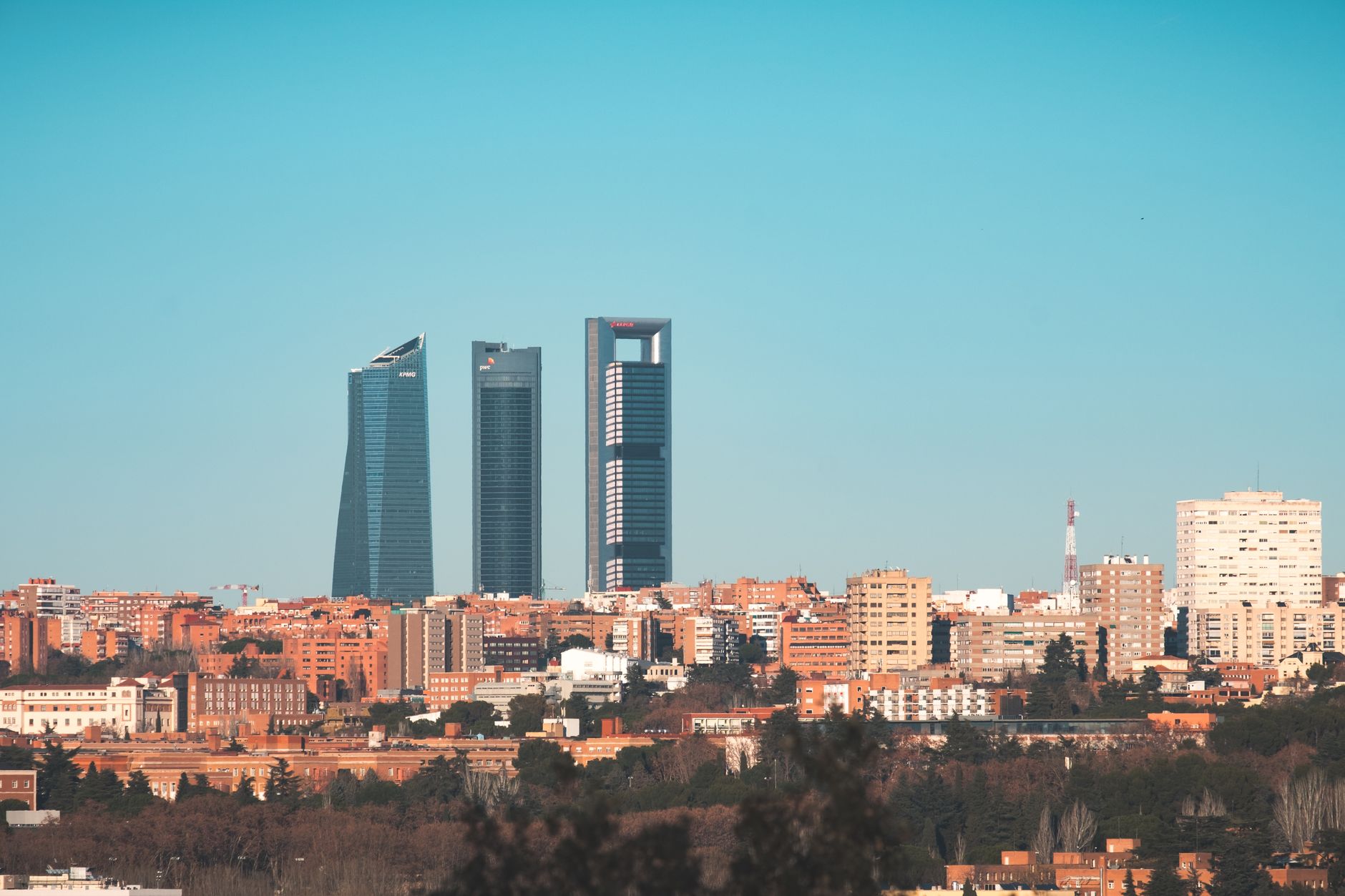
"The market has evolved dramatically," Fernández de la Cruz explained during a recent site visit. "Companies no longer want glass towers on Paseo de la Castellana. They want character, sustainability, community."
Her timing proved astute. Madrid's office vacancy rate has contracted to 7.2 per cent—the tightest in a decade—as firms flee expensive central locations for reimagined spaces in formerly overlooked neighbourhoods. The Chamberí-Malasaña corridor, once dismissed as purely residential, now absorbs approximately 23 per cent of new commercial lettings citywide.
Luchana Studio currently houses seventeen tenants, ranging from design studios to a boutique venture capital firm. Its success has sparked copycat projects across the city. At least four comparable conversion schemes are now under development between Calle de Santa Engracia and the Río Manzanares.
The broader implications matter. Madrid's commercial property investment reached €2.1 billion in 2025, with conversion projects representing roughly 18 per cent of that total—double the figure from 2022. This shift reflects changing corporate priorities: sustainability credentials, employee wellness, and neighbourhood authenticity now rival traditional metrics like floor-to-ceiling heights and parking ratios.
Fernández de la Cruz's next venture, a former automotive repair facility on Avenida de Filipinas, suggests her model has legs. Pre-leasing negotiations are already underway, with initial asking prices set at €16 per square metre—still a premium for the zone, but proof that investor appetite for thoughtfully executed industrial conversions remains robust.
As Madrid competes for European headquarters relocations, these projects offer a compelling alternative to cookie-cutter modern developments. The question for competitors: can they replicate Fernández de la Cruz's blend of design sensibility, financial discipline, and neighbourhood knowledge before the window closes?
This article was compiled by AI and screened before publishing. See our editorial standards.