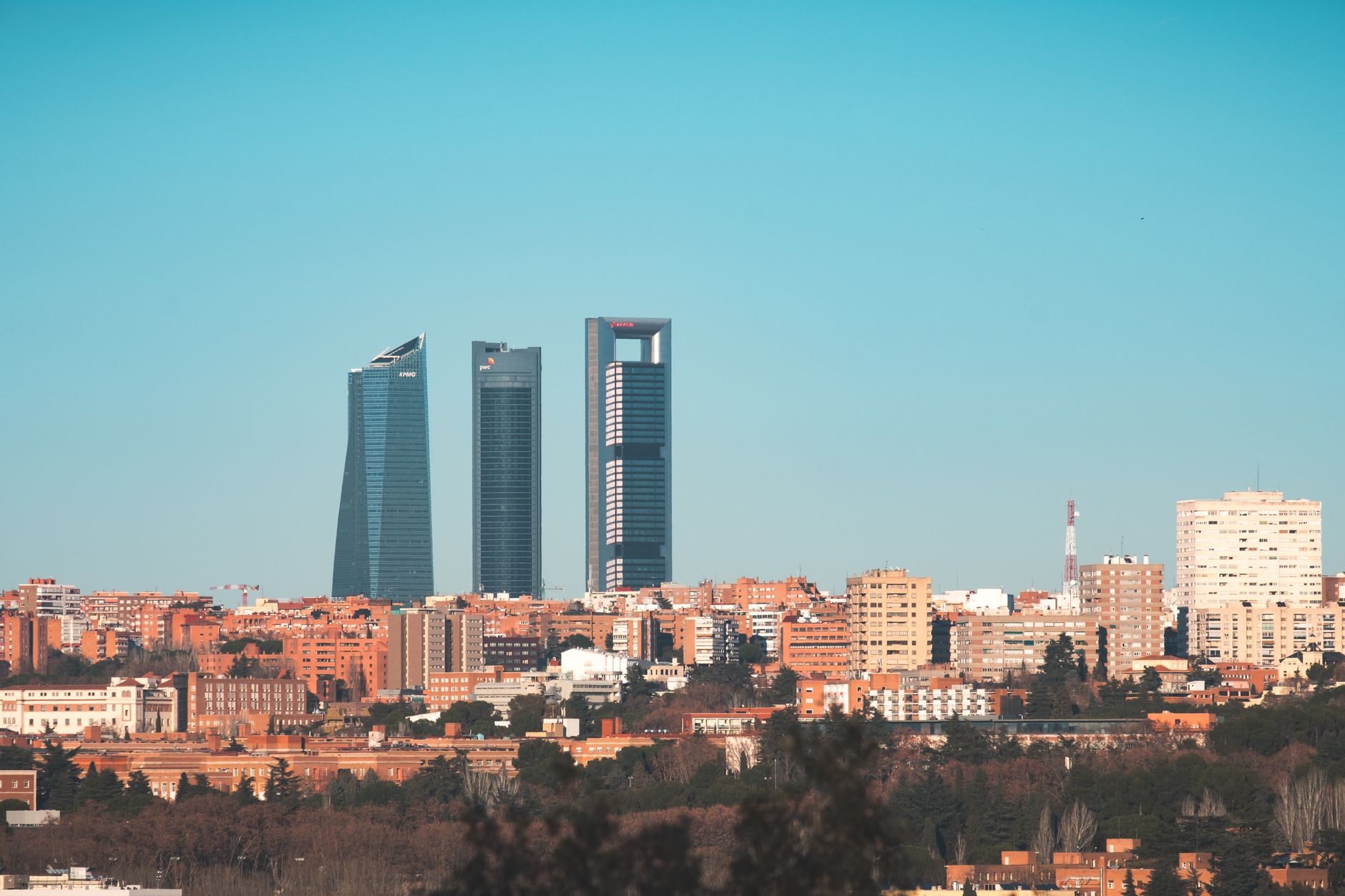
The transformation of Madrid's startup landscape over the past five years has been nothing short of remarkable. Once overshadowed by Barcelona's tech reputation, the Spanish capital has emerged as a serious contender in Europe's innovation race, with venture capital investments in local startups reaching €850 million last year alone. At the heart of this shift sits LogiFlow, a three-year-old artificial intelligence company headquartered in the vibrant Malasaña neighbourhood, whose supply-chain optimization platform is now trusted by over 180 logistics companies across 14 countries.
Founded in 2023 with a €50,000 seed round, LogiFlow operates from a converted loft space off Calle Espíritu Santo, a location that perfectly encapsulates Madrid's blend of bohemian creativity and cutting-edge entrepreneurship. The company's trajectory reflects broader trends reshaping the capital's economy: a shift toward deep-tech solutions, an influx of international talent, and a growing infrastructure of accelerators and co-working spaces like the recently expanded Wayco hub near Plaza de España.
What sets LogiFlow apart in Madrid's competitive startup ecosystem—now home to over 4,500 registered tech companies—is its focus on solving real industrial problems. The platform uses machine learning to predict delivery routes, reduce fuel consumption, and streamline fleet management for mid-sized logistics operators. Early adopters have reported operational cost reductions of 18-22 percent, a compelling value proposition in an industry where margins remain notoriously thin.
The company's success has not gone unnoticed. A Series A funding round closed in March 2026, bringing in €3.2 million from a consortium including several European venture firms and Madrid-based Lanzadera, the innovation hub backed by philanthropist Juan Roig. The influx of capital underscores Madrid's evolution from a city where startups struggled to secure local funding to one where institutional investors see genuine opportunity.
Yet the story extends beyond one company. LogiFlow's growth mirrors broader momentum in Madrid's innovation districts. The Chamberí neighbourhood now hosts over 200 tech companies, while the emerging hub around Avenida de América—traditionally a business zone—is attracting younger, more experimental ventures. University partnerships with Universidad Autónoma and Universidad Politécnica de Madrid continue funneling talent into the market.
As international tech giants increasingly establish Madrid outposts, and homegrown companies like LogiFlow demonstrate viable global scaling potential, the city's position as Europe's next major innovation powerhouse appears increasingly assured. For entrepreneurs and investors alike, the message is clear: Madrid's moment has arrived.
This article was compiled by AI from the sources linked above and screened before publishing. See our editorial standards.