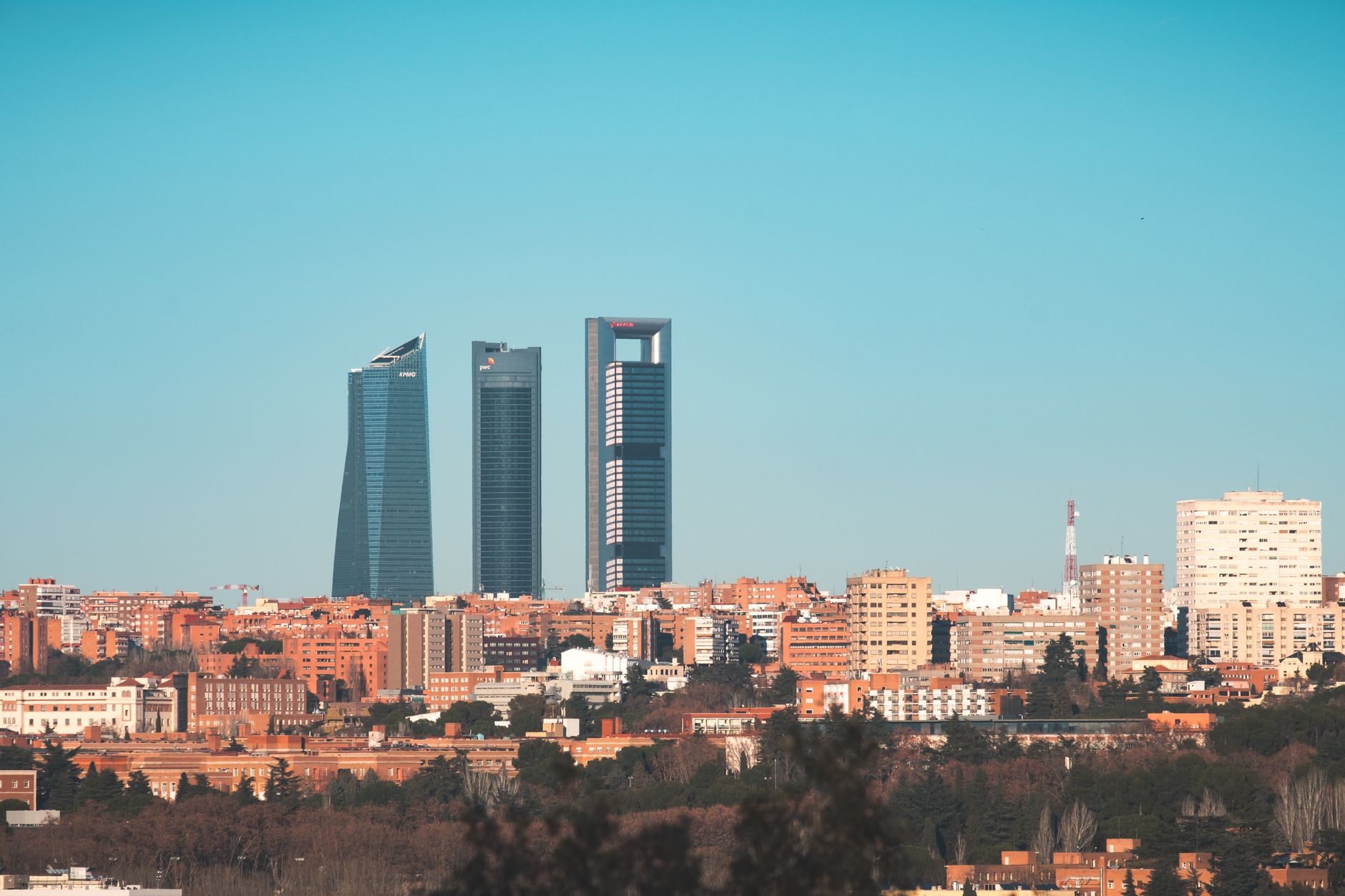
Madrid's business district is buzzing with an unusual energy these days. As trade tensions between major powers intensify and supply chains fracture across traditional routes, companies operating from the capital's gleaming office towers in the Chamartín neighbourhood and around Paseo de la Castellana are finding themselves unexpectedly well-positioned—and profitable.
The shift is most visible in software and digital services. Spain's tech sector, long overshadowed by Silicon Valley and Berlin's startup scenes, is now attracting clients desperate to diversify their vendor base away from geopolitically fraught regions. Madrid-based firms specialising in cybersecurity, cloud infrastructure, and enterprise automation have reported a 34% increase in international contracts over the past eighteen months, according to preliminary data from the Madrid Chamber of Commerce.
"Companies want European alternatives they can trust," explains one logistics director at a major freight forwarding operation based near the Atocha train station, where goods bound for Latin America are increasingly coordinated. That trust premium is translating into concrete gains. Port activity in nearby Barcelona and Valencia—historically Madrid's gateway to global markets—has surged, with Madrid-based trading houses and distributors acting as coordinators for goods flowing through Iberia.
The real beneficiaries, however, are hybrid businesses straddling manufacturing and services. A mid-sized industrial components firm operating from a modern facility in the Majadahonda corridor west of Madrid has doubled its headcount in eighteen months, pivoting from purely domestic production to become a trusted supplier for firms seeking alternatives to Asian manufacturing. Their warehouse space—renting at around €8 per square metre monthly in the logistics zones north of the city—has become a strategic asset.
Not every Madrid business is capitalising equally. Traditional import-export operations face margin pressure as shipping costs remain volatile. Yet the advantage is clear for those offering reliability and regulatory compliance. European Union certification, predictable labour standards, and proximity to both African and Latin American markets via Madrid's airport hubs give Spanish operators distinct leverage.
The Chamber of Commerce reports that 67% of Madrid firms surveyed in Q2 2026 expect to expand international operations within two years—the highest confidence level recorded in a decade. Restaurant supply chains, automotive parts manufacturers, and even fashion logistics are repositioning.
For Madrid's broader economy, the moment feels genuinely transformational. The city has long punched below its weight as a global financial centre compared to London or Frankfurt. But as friction in traditional trade corridors persists, the Spanish capital's unglamorous virtues—legal predictability, infrastructure quality, and geographic position—are becoming its greatest selling points.
This article was compiled by AI from the sources linked above and screened before publishing. See our editorial standards.