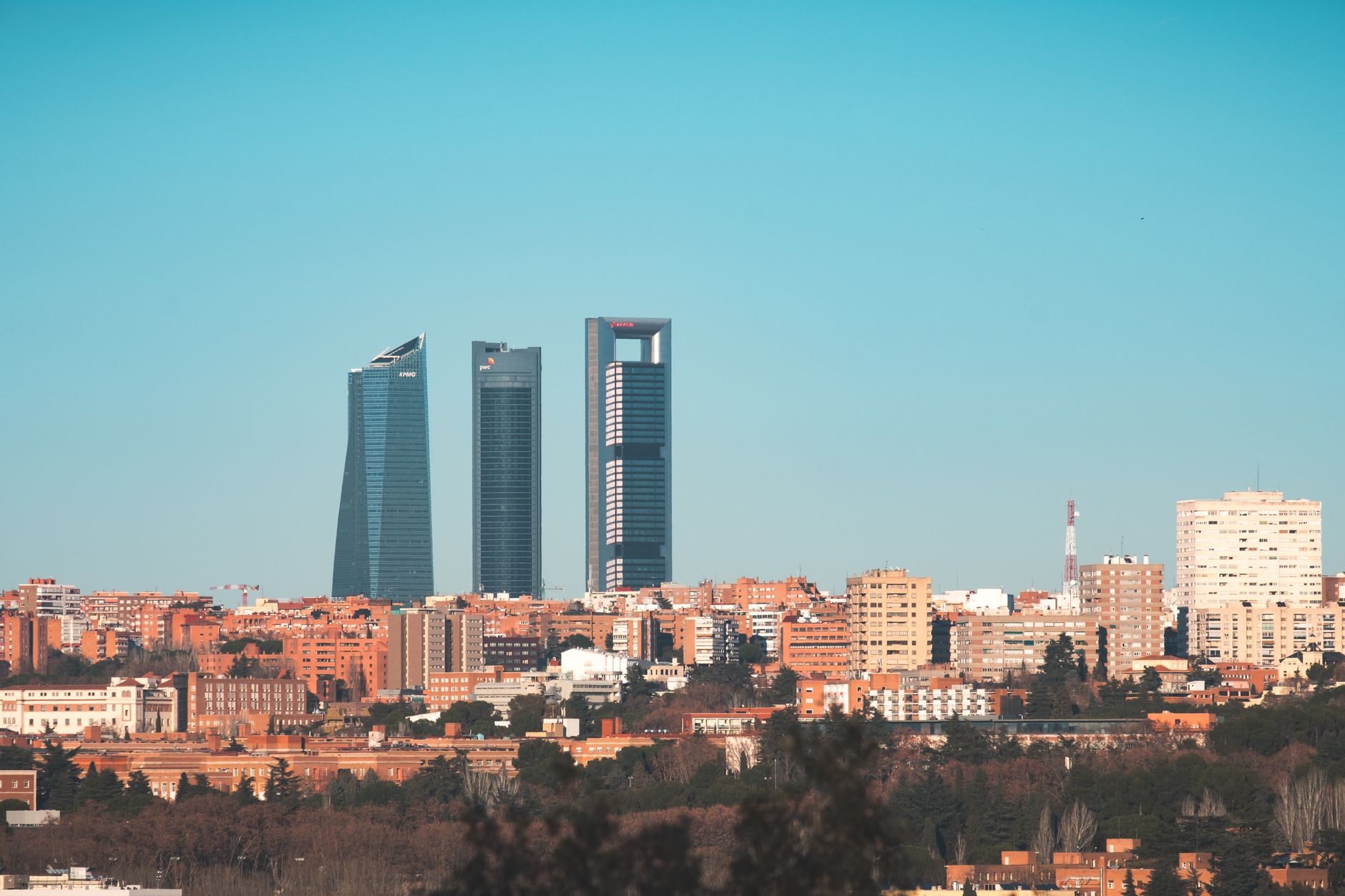
Madrid's investment and financial services sector faces mounting headwinds in the second half of 2026, as companies grapple with spiralling operational costs and consumer reticence to commit new capital. The challenges are particularly acute for wealth management firms clustered in the Paseo de la Castellana corridor and boutique investment houses operating from converted townhouses in Chamberí and Salamanca neighbourhoods.
Rising commercial property rents in prime business districts have forced several mid-sized asset management firms to reassess their Madrid footprints. Office space along the Paseo de Recoletos—traditionally a hub for financial services—now commands €350–€400 per square metre annually, up 18% since early 2025. Simultaneously, staff retention has become acute, with senior portfolio managers increasingly lured to Barcelona or pursuing remote-first arrangements that complicate Madrid's traditional office culture.
Consumer spending data paints a cautionary picture. The average Madrid household now allocates 42% of disposable income to housing, utilities and transport—up from 38% two years ago. This squeeze directly impacts investment demand. Financial advisory firms across the capital report that high-net-worth individuals are deferring discretionary investment decisions, preferring liquidity in volatile global conditions. Retail investment platforms operating from offices near Plaza de Castilla have seen new account openings decline 16% year-on-year.
Regulatory pressures compound these challenges. Stricter European compliance requirements around sustainable finance reporting have forced Spanish investment firms to invest heavily in technology infrastructure and audit functions. For smaller operators, these compliance costs represent 8–12% of annual expenditure—a burden that squeezes margins already compressed by competitive fee pressures.
The institutional investment landscape shows similar strain. Pension funds and insurance companies—major drivers of Madrid's asset management ecosystem—are increasingly scrutinising fee structures and demanding lower-cost index-tracking products. This shift, while benefiting consumers, undermines the high-margin advisory services that have historically fuelled Madrid's financial sector prosperity.
Yet the sector has not capitulated. Several firms are consolidating operations, moving support functions to lower-cost Spanish cities while maintaining client-facing teams in Madrid. Others are accelerating fintech partnerships to reduce overhead. The Madrid Chamber of Commerce reports that investment in digital transformation across the sector reached €245 million in the first quarter of 2026—a 31% increase compared to last year.
As 2026 progresses, Madrid's investment community faces a critical test: adapting to structural economic headwinds while maintaining the premium positioning that has made the city a financial powerhouse. Success will require innovation, consolidation and realistic appraisals of the market environment ahead.
This article was compiled by AI from the sources linked above and screened before publishing. See our editorial standards.