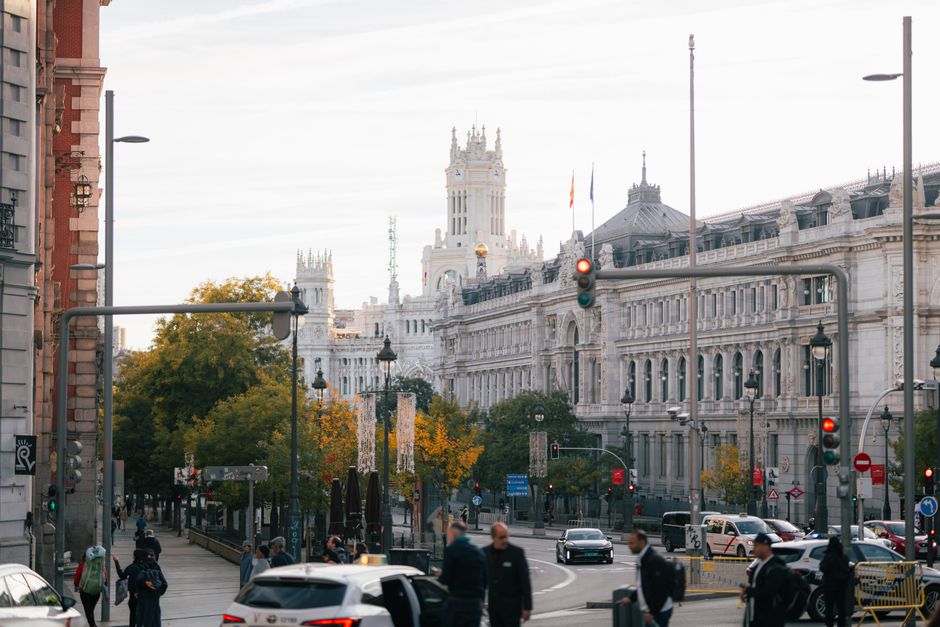
Madrid's retail and hospitality sector is flashing green lights. Fresh investment data released this month shows venture capital and private equity flowing into the capital's food and beverage businesses at rates not seen since 2022, signalling confidence in both near-term profitability and long-term growth potential.
The numbers paint a compelling picture. Commercial real estate transactions in prime dining districts—La Latina, Chueca, and the newly revitalised neighbourhoods around Paseo del Prado—jumped 34% year-on-year in the first half of 2026, according to analysis by Madrid's Chamber of Commerce. Average rents for ground-floor retail spaces on Calle Serrano have stabilised at €180 per square metre monthly, down from pandemic peaks but still reflecting robust demand from established chains and independent operators alike.
Consumer spending offers another crucial indicator. The Spanish National Statistics Institute reports that Madrid residents increased hospitality expenditure by 12% compared to June 2025, outpacing both Barcelona and Valencia. Restaurant average check sizes in central Madrid hover around €35–€42 per person at mid-range establishments, with premium venues exceeding €80. These figures suggest discretionary spending confidence among locals and sustained tourist traffic.
What's driving investment? Several factors converge. First, operational efficiency gains: digital ordering systems, delivery network partnerships, and kitchen automation have improved margins significantly. Second, demographic shifts—younger, affluent residents prioritising experience-based spending continue moving into regenerated zones like Malasaña and Vallecas. Third, the tourism rebound remains robust, with Madrid welcoming 6.8 million international visitors in the first five months of 2026.
Investment flows are diversifying too. While traditional Spanish hospitality groups remain active, international operators from Portugal and France are eyeing Madrid expansion opportunities. Simultaneously, small-cap private equity funds have mobilised €240 million specifically targeting mid-sized restaurant groups and food-tech ventures across the Madrid metropolitan area—a threefold increase from comparable periods in 2023–2024.
However, analysts note headwinds. Labour costs have climbed 8% annually, squeezing margins despite revenue gains. Supply chain disruptions occasionally impact specialty ingredient sourcing. And regulatory changes around working hours and employment contracts continue reshaping operational models.
The broader takeaway: Madrid's hospitality sector is not merely recovering—it's restructuring around sustainability and digitalisation. Investment patterns reveal sophisticated capital recognising this shift. For business observers, the convergence of rising consumer demand, fresh capital deployment, and improving operational metrics suggests the sector's contribution to Madrid's GDP will meaningfully outpace inflation for years ahead.
This article was compiled by AI from the sources linked above and screened before publishing. See our editorial standards.