Madrid's Innovation Corridor Accelerates: Early Movers ...
As the city doubles down on its emerging startup ecosystem, landlords, service providers, and established tech firms are already capturing significant gains.
As the city doubles down on its emerging startup ecosystem, landlords, service providers, and established tech firms are already capturing significant gains.
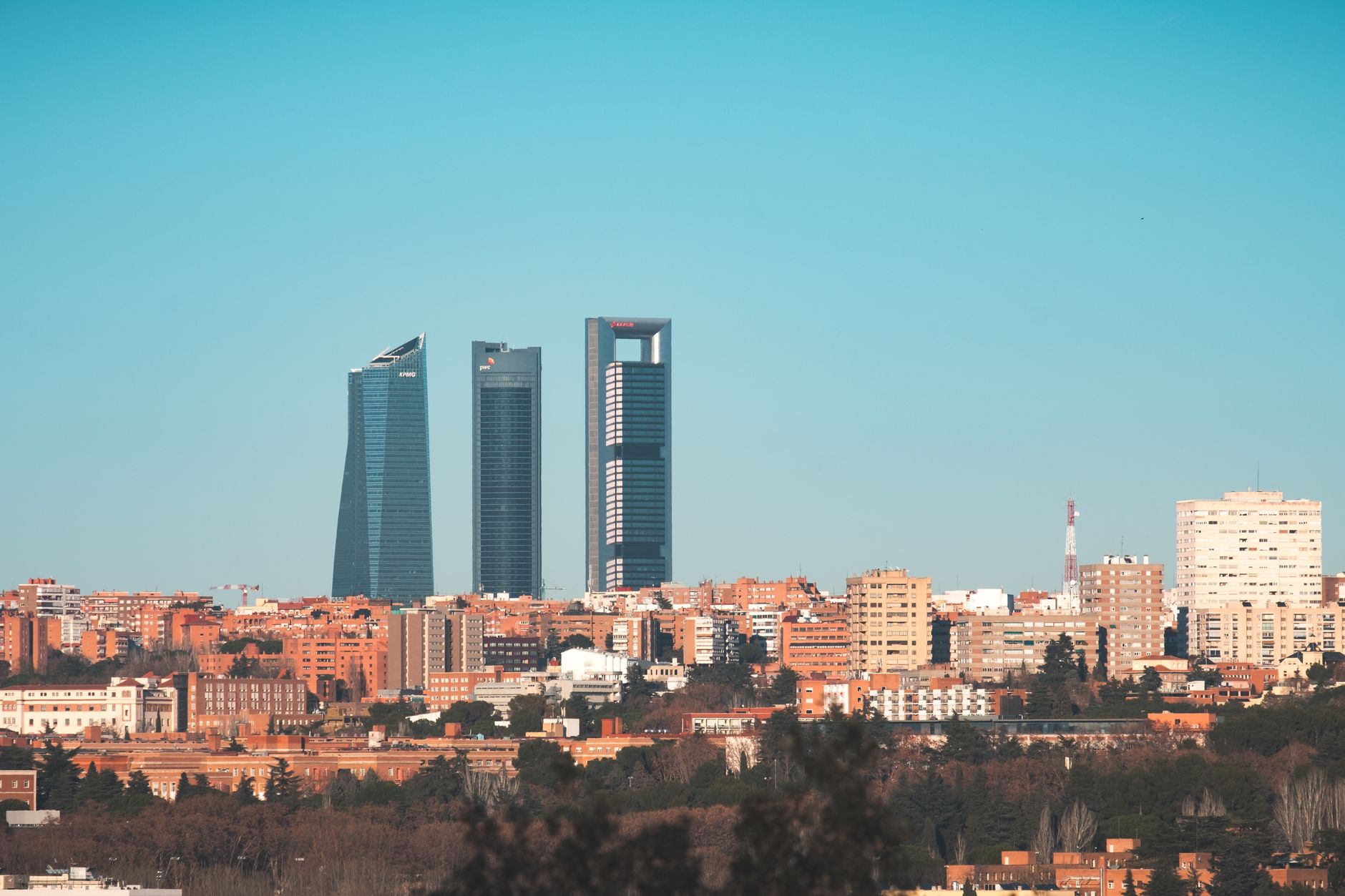
Madrid's transformation into a genuine innovation powerhouse is no longer theoretical. Six months into 2026, the tangible economic shifts in neighbourhoods spanning from Chamberí to Retiro reveal which players are positioned to profit as the city's startup ecosystem matures.
The numbers tell a compelling story. Commercial real estate in the Castellana corridor—long Madrid's business backbone—has seen asking rents surge approximately 18% year-on-year, particularly in properties marketed toward tech-forward tenants. Property managers handling office space along Paseo de la Castellana and Calle de Serrano now report record lease negotiations, with flexible workspace operators commanding premium rates for ground-floor retail conversions suitable for startup hubs.
The neighbourhood of Chamberí, historically residential, has emerged as the unexpected winner. Over the past eighteen months, the transformation of converted industrial spaces near Calle de Bravo Murillo into co-working facilities and innovation labs has attracted dozens of early-stage companies. Local hospitality venues—coffee shops, informal dining spots—report foot traffic increases of 25-30% among what they describe as the "startup demographic." These businesses, previously reliant on residential customers, now see reliable weekday patronage from knowledge workers.
Established Madrid institutions are repositioning themselves strategically. Universidad Autónoma's Technology Transfer Office has expanded partnerships with private sector accelerators, while institutions like IE University's business school have created dedicated tracks for entrepreneurship that feed directly into mentorship networks centred on the city's emerging districts. These moves generate consulting fees and licensing revenue while elevating institutional profiles.
Government investment continues to validate the trend. Madrid's regional innovation fund allocated €45 million in Q1 2026 specifically for infrastructure supporting deeptech and climate-focused startups, with particular emphasis on locations south of the city near Parque Empresarial La Salle. This capital influx has triggered secondary effects: venture capital firms from Barcelona and Valencia have opened satellite offices in Madrid, and international accelerator programmes now include Madrid stop-offs in their European circuit.
Service providers are the quiet beneficiaries. Law firms specialising in intellectual property, accounting practices experienced with cap-table management, and recruitment agencies focused on technical hiring have all expanded headcount. One Chamberí-based consulting firm reports that startup-related advisory work now comprises 35% of its annual revenue, compared to 8% in 2023.
The opportunity window, analysts suggest, remains open but narrowing. First-mover advantages in prime neighbourhoods are consolidating. Smart investors watching Madrid's trajectory are noting that the real gains flow not to startups themselves—notoriously volatile—but to the infrastructure, real estate, and professional services ecosystem supporting them.
This article was compiled by AI from the sources linked above and screened before publishing. See our editorial standards.
How does this story make you feel?
Spread the word
About this article
Published by The Daily Madrid
Daily brief
Free, in your inbox before 7am. Weekdays.
More in Business