Madrid's Job Market Faces Perfect Storm of Rising Costs and Sluggish Growth
As talent exodus accelerates and business confidence falters, Spain's capital confronts an employment crisis that threatens its status as Europe's premier tech hub.
As talent exodus accelerates and business confidence falters, Spain's capital confronts an employment crisis that threatens its status as Europe's premier tech hub.
Madrid's employment landscape has fractured this year in ways that extend far beyond seasonal fluctuations. The city that once positioned itself as Europe's startup darling now grapples with a confluence of headwinds that are reshaping recruitment dynamics across the capital's financial, tech, and hospitality sectors.
The numbers tell a sobering story. Youth unemployment in the Madrid region has climbed to 34.2 percent—nearly double the pre-pandemic baseline—while average monthly rents in central neighbourhoods like Salamanca and Retiro have surged past €1,200 per square metre annually. For entry-level professionals, this creates an untenable arithmetic. A junior developer or marketing coordinator earning €22,000 annually cannot afford central Madrid's rental market, forcing an ever-widening geographic dispersion that fragments the talent pool companies once accessed seamlessly from around Paseo de la Castellana.
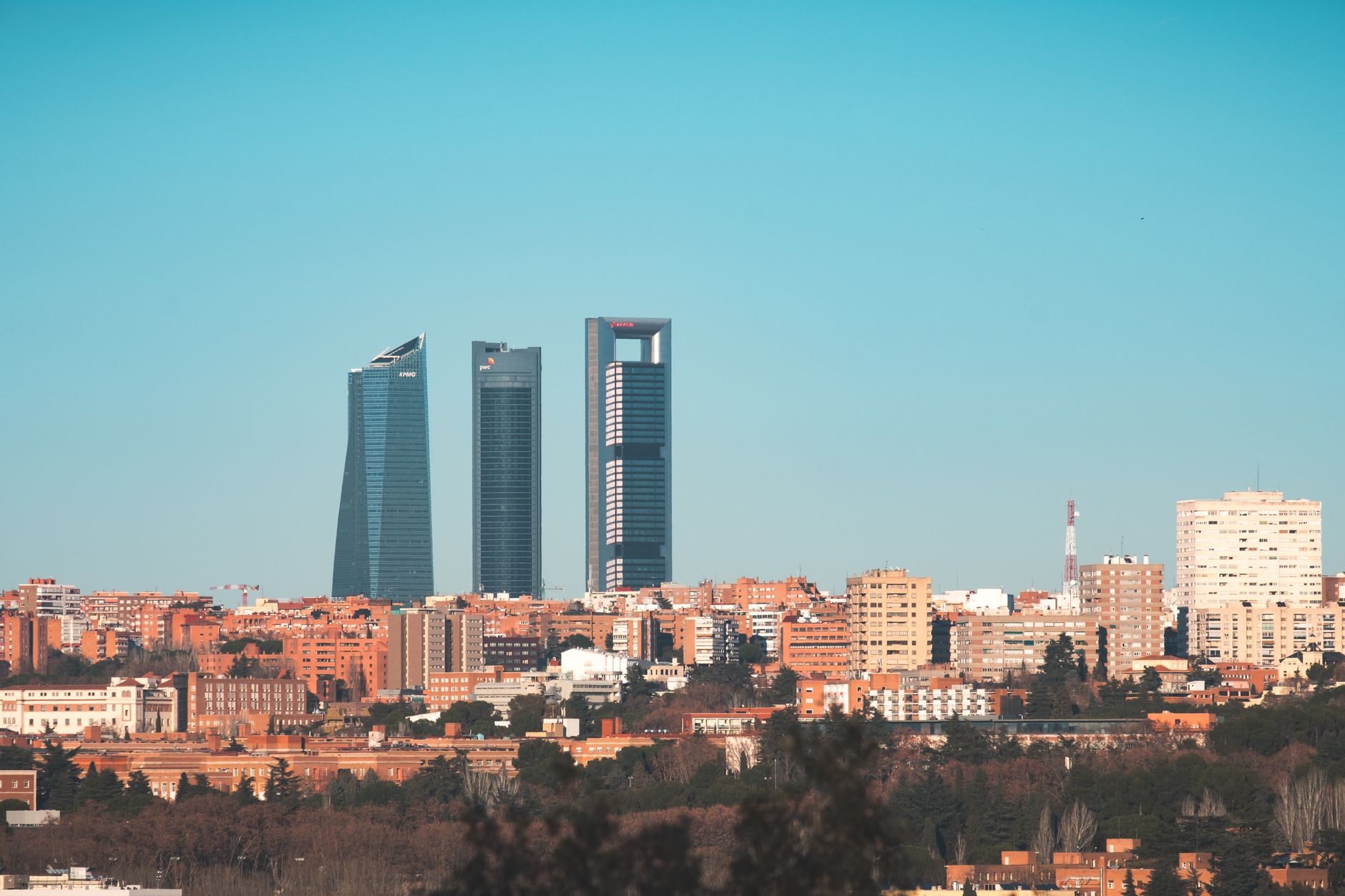
Corporate confidence has withered visibly. Recent surveys of firms headquartered along Madrid's business corridor—from the Cuatro Torres Business Area to the corridors of the IFEMA business district—reveal hiring freezes affecting 47 percent of mid-sized enterprises. Several established recruitment agencies operating from offices near Plaza de Castilla report client companies postponing planned headcount expansion indefinitely. Multinational financial services firms, traditionally reliable employment anchors, have begun selective cost-cutting that includes remote work incentives designed to relocate workers outside the capital altogether.
The hospitality and tourism sectors, which employ roughly 180,000 people across greater Madrid, face their own recalibration. Labour costs have risen 18 percent since 2022, while seasonal employment—once reliable bridge work for thousands—has contracted as property owners convert residential apartments into short-term tourist rentals. Establishments near major attractions like the Prado and Gran Vía report difficulty attracting kitchen and service staff willing to accept compressed high-season work for insufficient off-season compensation.
Perhaps most telling is the talent flight. Madrid lost an estimated 8,500 university graduates to Barcelona, Valencia, and international destinations during 2025-2026. Technology professionals, in particular, have migrated toward Northern European tech hubs offering higher salaries and lower living costs—a brain drain that threatens the innovation ecosystem that once justified Madrid's premium positioning.
City officials and business leaders acknowledge the crisis is compounding. Until housing costs stabilize and companies restore hiring confidence, Madrid's employment momentum will remain constrained, challenging the city's economic trajectory for years ahead.
This article was compiled by AI from the sources linked above and screened before publishing. See our editorial standards.
How does this story make you feel?
Spread the word
About this article
Published by The Daily Madrid
Daily brief
Free, in your inbox before 7am. Weekdays.
More in Business