Madrid's tourism sector is flashing green lights across every economic dashboard. Through the first half of 2026, the city welcomed 4.2 million international visitors, a 12% increase year-on-year, according to data from the Madrid Convention Bureau. But beyond the headline figures lies a more nuanced story about where money is flowing, who benefits, and what it means for the city's economic future.
Hotel occupancy rates in the central Salamanca and Retiro districts have climbed to 87%, driving average room rates to €185 per night—a 14% premium over 2025. This strength is attracting capital. Three major hotel chains have announced expansion plans totalling €340 million in Madrid investments for the next 24 months, with properties planned near the Prado Museum and along Paseo de la Castellana. These aren't budget operators; they're betting on affluent leisure and business travellers willing to spend.
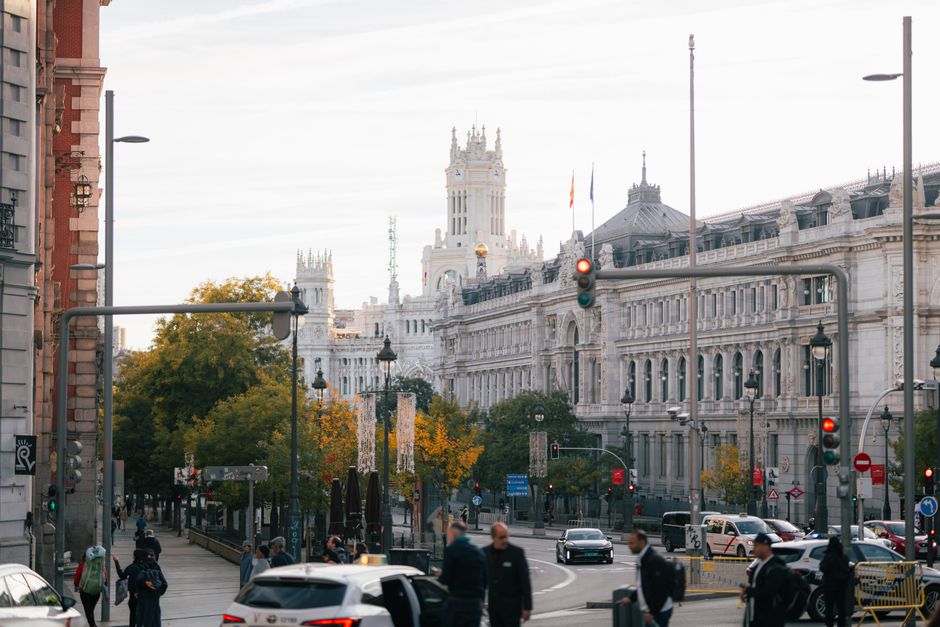
The investment flows tell a revealing story. Commercial real estate across central Madrid has seen foreign capital increase by 18% this year, primarily from Gulf sovereign wealth funds and Asian hospitality groups. Landmark properties on Gran Vía have commanded valuations exceeding €25,000 per square metre—stratospheric by European standards outside London and Paris.
Yet this prosperity masks territorial inequality. While Chamberí and Malasaña neighbourhoods report restaurant and retail openings at record rates, peripheral areas like Villaverde see minimal tourism-related investment. Spending concentration matters: the historic centre around Plaza Mayor generates approximately 68% of all tourism-related commercial revenue, according to municipal tourism figures, leaving outer districts economically disconnected from the boom.
Labour economics present another complexity. Tourism sector employment has grown 8% this year, but average wages in hospitality remain €1,850 monthly—below Madrid's broader employment median. This jobs-without-wages dynamic explains why property rents in traditionally working-class neighbourhoods near central tourist zones have surged 23% in three years, displacing long-term residents.
International visitor spending reached €9.2 billion in the first semester, a record. But distribution matters: 71% flows to accommodation, dining, and retail in a five-kilometre radius around Sol and Opera stations. Museums, theatres, and cultural institutions—Madrid's supposed competitive advantages—capture just 16% of tourist expenditure.
For investors and policymakers, the question is whether Madrid can sustain this trajectory. Capacity constraints are emerging. Airport passenger volumes hit 27 million annually, near maximum infrastructure limits. Rising costs threaten the price-competitiveness that attracts European leisure travellers. And demographic pressures in central neighbourhoods—pushed by tourist-oriented development—signal social friction ahead. Economic growth, the numbers suggest, may require more intelligent distribution, not just acceleration.
This article was compiled by AI from the sources linked above and screened before publishing. See our editorial standards.