Madrid's Office Market Feels the Shockwaves of Global Political Turbulence
As international tensions reshape investment patterns and remote work trends, Spain's capital faces a critical juncture in its commercial real estate trajectory.
As international tensions reshape investment patterns and remote work trends, Spain's capital faces a critical juncture in its commercial real estate trajectory.
Madrid's commercial property sector is experiencing an unexpected squeeze as geopolitical instability abroad directly impacts decisions made in the city's most prestigious business districts. The past six months have seen foreign investment inquiries decline by approximately 23%, according to preliminary data from local commercial real estate firms, as multinational corporations reassess their European expansion strategies amid broader global uncertainty.
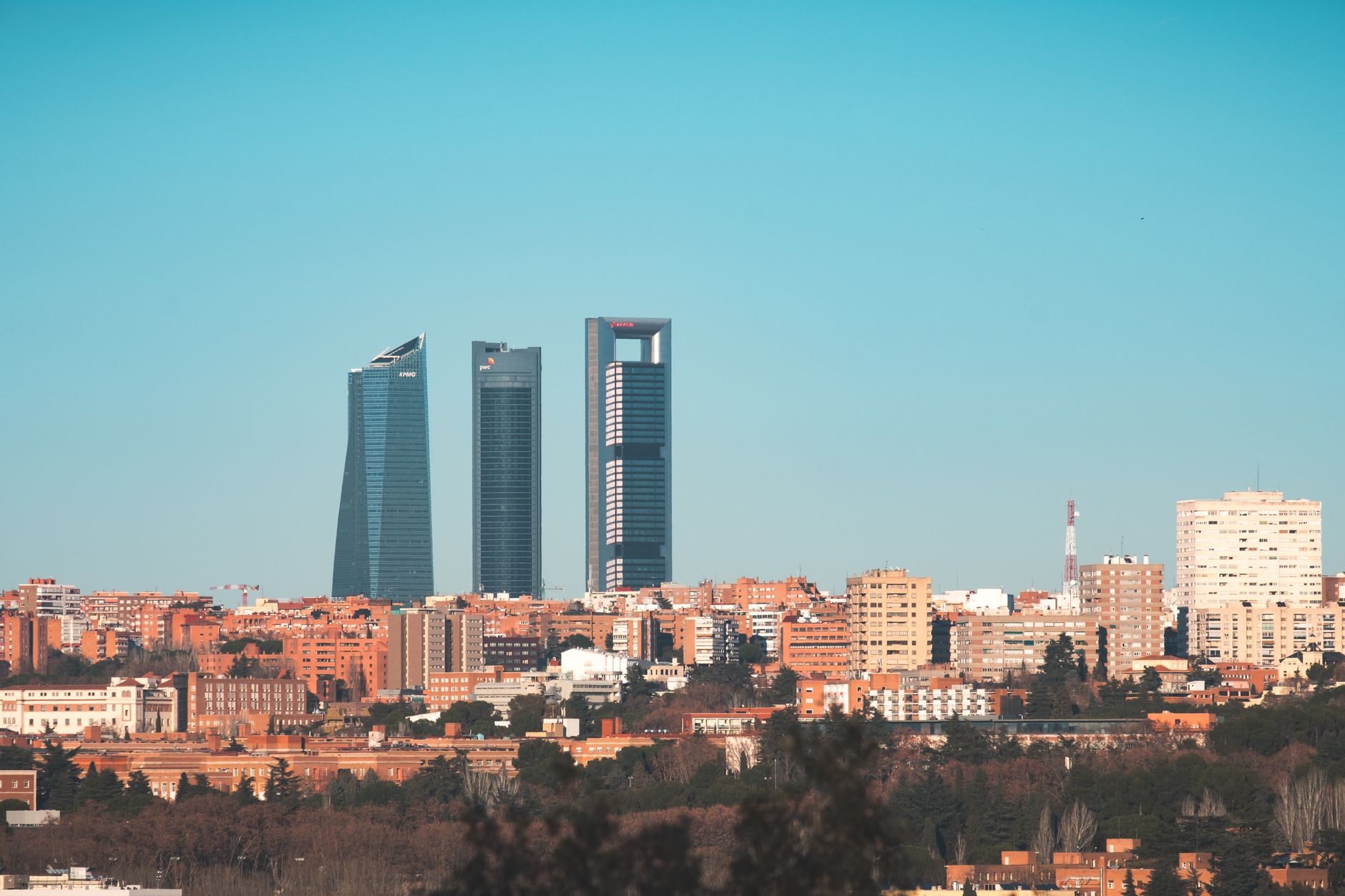
The most visible pressure points are along the Paseo de la Castellana and in the Azca business complex, where several major office towers that reached peak valuations of €8,500 per square metre in 2024 now hover around €7,200. International technology firms and financial services companies—traditionally the backbone of Madrid's office demand—are exhibiting unprecedented caution, with lease negotiations extending from the typical four-week timeline to nearly three months.
"Companies are taking a wait-and-see approach," explains the Madrid Chamber of Commerce perspective, noting that uncertainty regarding trade policies, sanctions regimes, and potential economic slowdowns in key markets has made capital allocation decisions more conservative. Firms headquartered in New York, London, and Frankfurt are delaying expansion plans or consolidating existing footprints rather than committing to new long-term leases.
The post-pandemic remote work advantage that once positioned Madrid as an affordable alternative to Paris or London has paradoxically become a liability. With hybrid arrangements now standard across Europe, companies previously considering Madrid relocations are simply downsizing their office requirements globally. A prominent consulting firm recently reduced its planned expansion on Calle Serrano by 40%.
However, the market presents nuances. Secondary neighbourhoods like Chamberí and the emerging tech corridor near the Reina Sofía museum are seeing more resilience, with lease rates holding steady at €1,800-€2,200 per square metre. Spanish and Portuguese companies, less exposed to broader geopolitical volatility, continue moderate expansion.
The sector faces a peculiar moment: Madrid remains fundamentally attractive as a European hub, yet global headwinds make that advantage temporarily negotiable. Savvy investors are watching price corrections carefully. Real estate firms report increased interest from domestic investors seeking value opportunities, suggesting the market may stabilise through local capital rather than international flows.
Whether this represents a temporary correction or structural shift depends heavily on how international tensions resolve. For now, Madrid's once-booming office market is learning that even Spain's insulated position cannot entirely shield it from global economic weather.
This article was compiled by AI from the sources linked above and screened before publishing. See our editorial standards.
How does this story make you feel?
Spread the word
About this article
Published by The Daily Madrid
Daily brief
Free, in your inbox before 7am. Weekdays.
More in Business