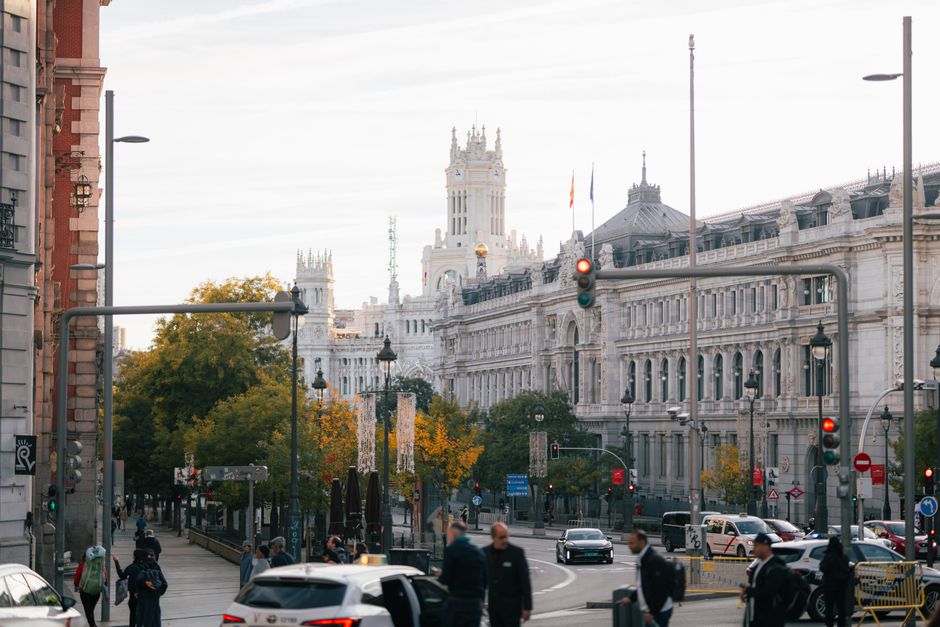
Madrid's tourism sector is experiencing a paradox that should concern every hotelier, restaurateur and venue operator in the capital: visitor numbers remain robust, but profitability margins are tightening faster than ever before.
Data from Madrid's Chamber of Commerce shows that while foreign arrivals to the capital have grown 8.2% year-over-year through June, average spending per visitor has declined 3.7% during the same period. For businesses operating along Gran Vía, in the Malasaña district, and throughout the historic Centro neighbourhood, this disconnect represents an urgent strategic challenge.
The shift reflects a fundamental change in traveller demographics and behaviour. Mid-range and budget-conscious tourists now comprise 62% of Madrid's visitor base, up from 48% just three years ago. Young Europeans backpacking through Spain and families seeking value deals increasingly bypass premium establishments in favour of boutique hostels, casual tapas bars, and affordable accommodation near Atocha station and Plaza Mayor.
Meanwhile, operational pressures have intensified substantially. Commercial rent in prime tourism zones has increased 14-19% since 2024, according to local property consultants. Staff wages have risen correspondingly, with hospitality workers demanding better conditions following industry-wide labour shortages. Energy costs remain elevated, forcing many venues to carefully manage air conditioning during peak summer months.
Successful businesses are responding with aggressive repositioning. Several established hotels along Paseo del Prado have launched dynamic pricing systems and bundled packages targeting longer stays rather than short city breaks. Mid-range restaurants in Chueca and San Antón are emphasising local sourcing and Instagram-friendly presentation to capture the social-media-driven younger demographic. Experience-based tourism—cooking classes, flamenco workshops, guided artisan markets—is proving more resilient than traditional sightseeing.
The accommodation sector faces particular pressure. Online booking platforms now extract 25-30% commissions, severely constraining margins for hotels outside the five-star luxury tier. Direct-booking strategies and loyalty programmes have become essential, not optional, for survival.
Madrid's tourism authority is promoting shoulder-season travel and conference tourism to stabilise occupancy rates during traditionally slower months. However, individual operators cannot rely on municipal support. The businesses thriving now are those investing in data analytics to understand booking patterns, diversifying revenue streams beyond room nights and meals, and building genuine community connections rather than treating visitors as purely transactional.
For Madrid's tourism sector, 2026 marks a watershed moment. Volume alone no longer guarantees prosperity. Strategic adaptation—or decline—awaits every business that hasn't already reassessed its positioning within this evolving market.
This article was compiled by AI from the sources linked above and screened before publishing. See our editorial standards.