Madrid's business community is confronting a harsh new reality: the city's economic fortunes are no longer determined solely by Spanish policy or even European trends, but by a volatile global environment that seems to shift weekly.
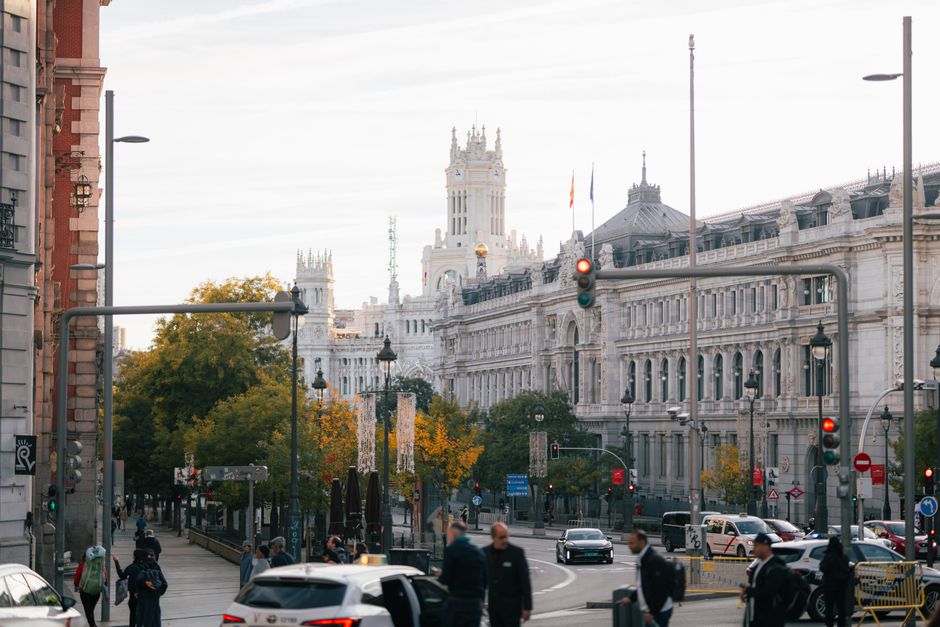
The evidence is visible across the capital's commercial heartland. Retailers along Gran Vía report that import costs have surged 12-15% in recent months due to shipping uncertainty and currency fluctuations tied to Middle Eastern tensions and US political developments. A boutique hotel owner in Malasaña, speaking anonymously, revealed that investment in renovation projects has been indefinitely postponed as venture capital partners reassess their international exposure. Meanwhile, the tech corridor in Chamberí—home to startups that have attracted billions in funding—is experiencing a marked slowdown in new investment rounds, with founders citing investor caution about global market stability.
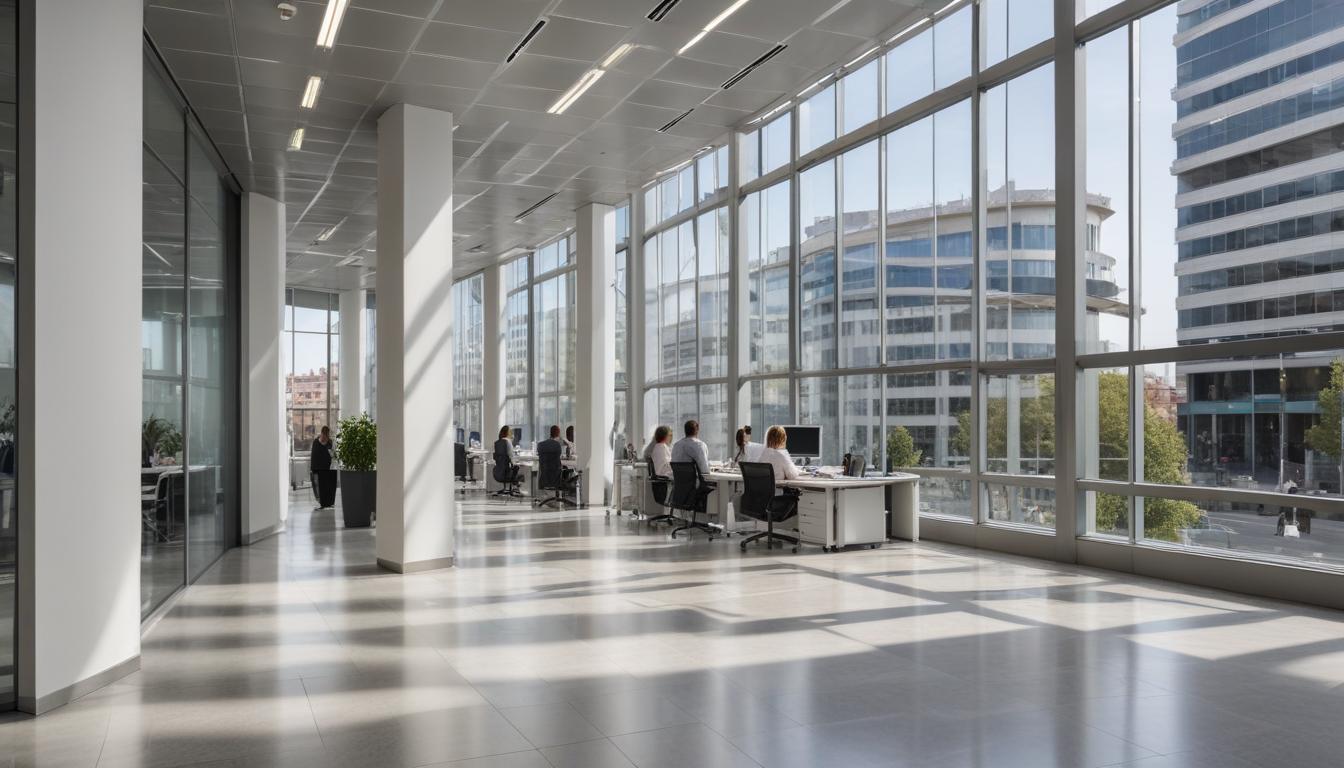
The cost-of-living pressures are equally tangible. Residential property prices in desirable neighbourhoods like Salamanca and Retiro have plateaued, reversing years of growth, as wealthy international buyers pause their Spanish acquisitions. Commercial rents in premium office spaces near Paseo de la Castellana have begun contracting for the first time since 2019, a telling indicator that companies are reassessing their expansion strategies.
Madrid's Chamber of Commerce has noted that member businesses are increasingly hedging currency exposure and diversifying supply chains away from regions affected by instability. For small and medium enterprises—the backbone of Madrid's economy—these defensive measures represent significant additional costs they can ill afford.
The broader implications are sobering. Madrid depends on foreign direct investment to maintain its status as Spain's primary economic engine. When global investors retreat to safer havens, the capital's ability to create jobs, attract talent, and fund infrastructure improvements diminishes. The city's hospitality sector, which had recovered strongly, now faces uncertainty as international visitor numbers show early signs of hesitation.
Yet there are counterarguments. Madrid's relative stability within Europe, its strong institutional framework, and its position as a financial hub continue to attract capital seeking shelter from global turbulence. Companies looking to de-risk their operations are increasingly viewing the Spanish capital as a secure alternative to more volatile markets.
For Madrid's business leaders, the challenge is clear: they must remain agile, prepared to adapt to shocks beyond their control while building resilience into their operations. The city that thrives on connection to the world now confronts the uncomfortable truth that global instability is no longer a distant concern—it is a daily variable in the equation of business success.
This article was compiled by AI from the sources linked above and screened before publishing. See our editorial standards.