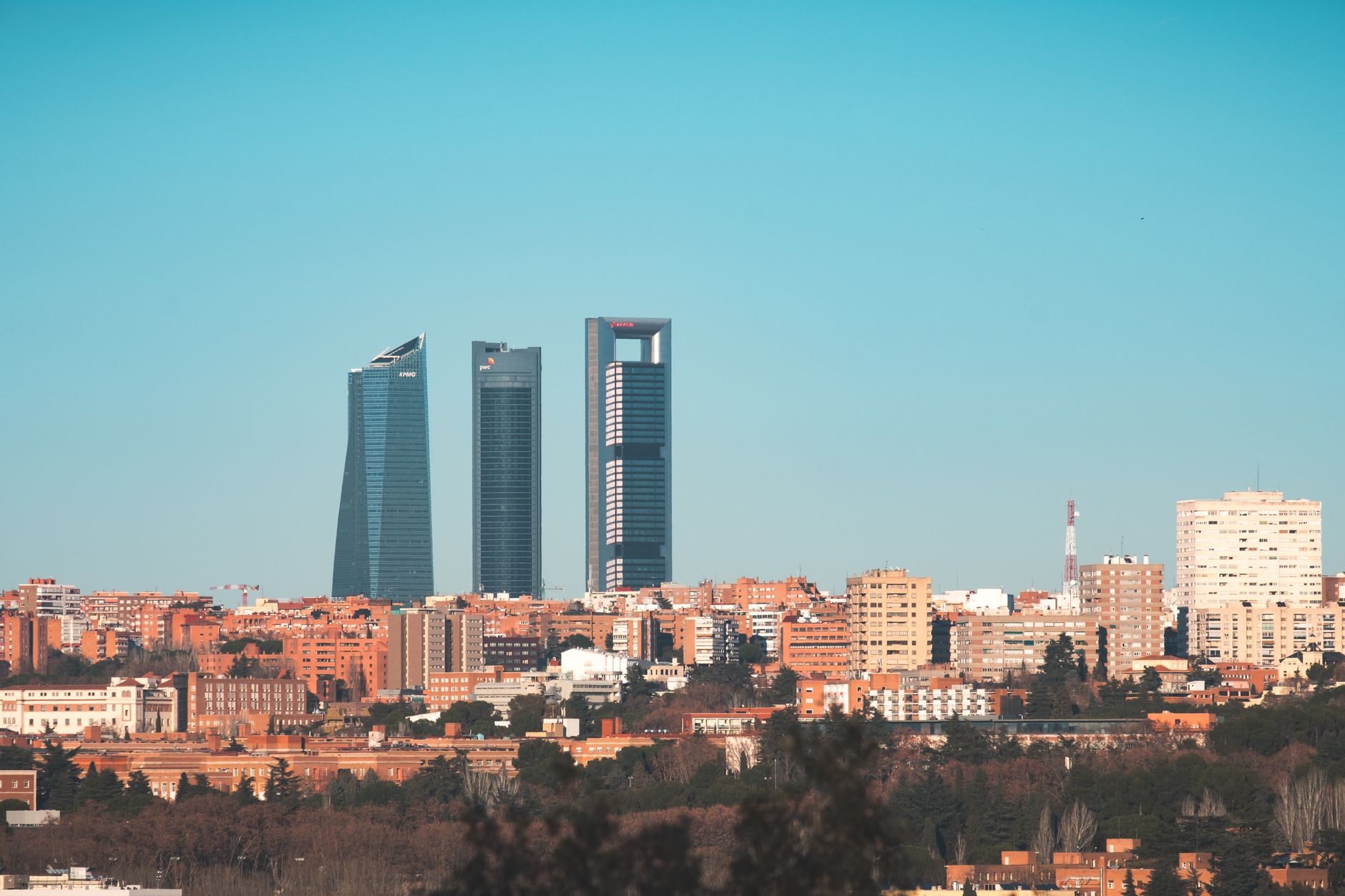
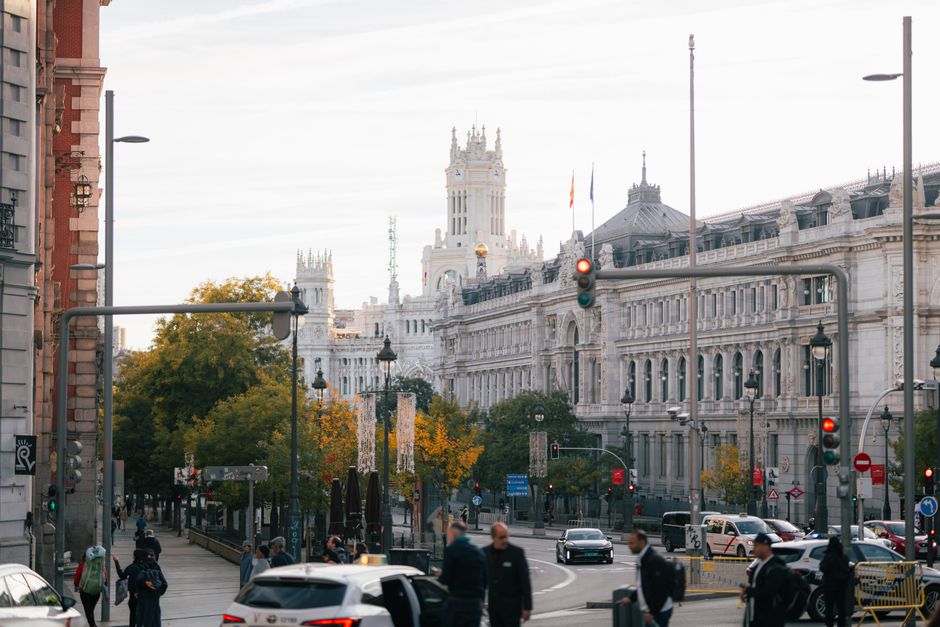
Madrid's small business landscape is at a crossroads. As we enter the second half of 2026, entrepreneurs operating everything from tapas bars in La Latina to tech startups clustered around the Cuatro Torres Business Area are grappling with mounting pressures that demand immediate strategic attention.
Energy and rental costs remain the elephant in the room for most operators. Commercial rents in prime neighbourhoods like Salamanca and Chueca have climbed roughly 8–12 per cent year-on-year, squeezing margins for retailers and hospitality businesses already operating on razor-thin profits. Meanwhile, utility bills continue climbing, forcing many owners to explore renewable energy solutions or negotiate longer-term supplier contracts to lock in rates.
Consumer behaviour has shifted markedly. Data from Madrid Chamber of Commerce indicates that footfall in traditional shopping districts remains 15 per cent below pre-2024 levels, even as online commerce continues its march. Businesses that have invested in omnichannel strategies—blending physical and digital presence—are weathering the transition. Those clinging to purely brick-and-mortar models are struggling.
Digital transformation is no longer optional. Point-of-sale systems that integrate inventory, accounting, and customer relationship management are becoming table stakes rather than luxuries. Smaller establishments that cannot absorb €3,000–5,000 implementation costs are falling behind competitors offering seamless payment options and loyalty programmes.
Labour availability presents another mounting challenge. The hospitality sector, which powers much of Madrid's economy, faces persistent staffing shortages. Wages for kitchen staff and servers have risen 10–15 per cent, reflecting tighter supply and rising living costs across the city.
Yet opportunity exists for those adapting intelligently. Sustainability is becoming a genuine commercial advantage rather than mere marketing. Consumers—particularly younger demographics—actively reward businesses reducing waste or sourcing locally. Restaurants and shops on streets like Fuencarral and in neighbourhoods such as Malasaña have built loyal followings around these commitments.
The message for Madrid's entrepreneurs is clear: survival requires acknowledging that the operating environment of 2023 no longer exists. Costs are higher, competition fiercer, and consumer expectations more demanding. Those investing in technology, people, and differentiation will thrive. Those hoping conditions will simply revert to previous norms will find themselves increasingly marginalised.
The window for strategic repositioning remains open. But it is narrowing fast.
This article was compiled by AI from the sources linked above and screened before publishing. See our editorial standards.