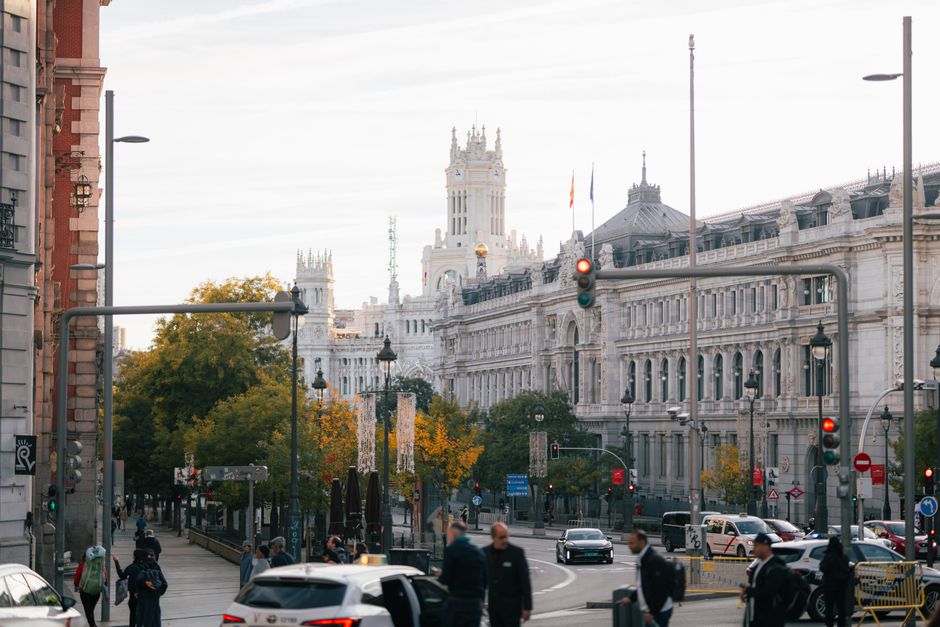
Walk through the narrow streets of La Latina on any weekday morning and you'll spot the telltale signs of strain: shuttered storefronts where independent bookshops once thrived, restaurants reducing their opening hours, boutique owners wrestling with inventory decisions they would have made confidently just two years ago.
The entrepreneurial landscape in Madrid, historically buoyant despite broader European challenges, is experiencing a confluence of headwinds that small business operators say is fundamentally reshaping their sector in 2026.
Energy and rental costs remain stubbornly elevated. A modest café in Malasaña—a neighbourhood that has become synonymous with Madrid's creative small business scene—now pays €800-€1,200 monthly for utilities, double the 2020 figure. Commercial rents across central Madrid have stabilised but remain 15-20 percent above pre-pandemic levels, according to data from Madrid's Chamber of Commerce. For a 60-square-metre retail space in the Chueca district, entrepreneurs are looking at €1,500-€2,000 monthly without negotiation room.
Labour availability compounds the problem. Finding reliable staff willing to work service-sector wages has become a critical bottleneck. Many small business owners report that turnover has accelerated, with training costs and productivity losses cutting deeper into already compressed margins. The federation of Madrid retailers estimates that 34 percent of small enterprises are operating with unfilled positions.
Consumer behaviour shifts are proving equally disruptive. The rise of online shopping and international e-commerce platforms continues to erode footfall on streets like Calle Preciados and within the commercial corridors around Plaza Mayor. Small independent retailers lack the logistics infrastructure of larger competitors, forcing many to maintain higher per-unit costs.
Yet the picture is not uniformly bleak. Niche sectors—artisanal food production, specialised services, and experience-based businesses—continue to find customers willing to pay premium prices for authenticity. Some entrepreneurs in neighbourhoods like Vallecas are finding success by building hyperlocal community networks and leveraging social media in ways that larger retailers cannot.
Trade associations and municipal bodies have launched support initiatives. Madrid's Department of Economy and Employment continues to offer subsidised consultancy services, though uptake remains patchy among struggling entrepreneurs who lack bandwidth to navigate bureaucracy.
The consensus among business owners is clear: 2026 is a year of consolidation and difficult choices. Those without adequate reserves or alternative income streams are accelerating exit plans. Those staying are leaner, more focused, and acutely aware that the margin for error has narrowed considerably.
This article was compiled by AI from the sources linked above and screened before publishing. See our editorial standards.