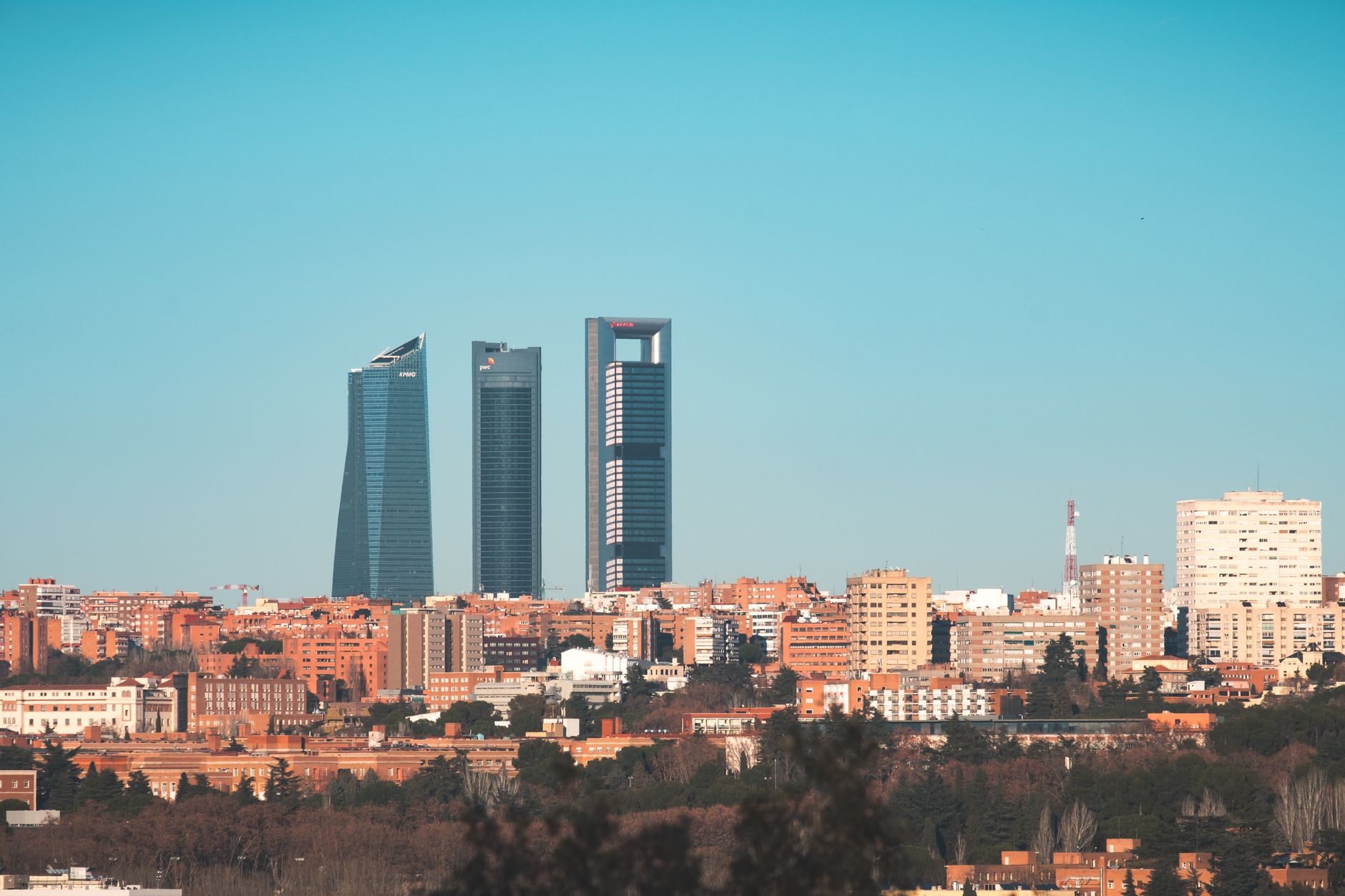
Madrid's financial services heartland—stretching from the gleaming towers of the AZCA business district to the historic trading floors near Plaza de Castilla—is confronting a bruising year of headwinds that show little sign of abating before autumn.
The cost of living squeeze that has gripped Spain since 2022 continues to erode household purchasing power, even as nominal wages have edged upward. Apartment rents in prime neighbourhoods like Salamanca and Chamberí have climbed past €1,400 per square metre annually, pricing out middle-income families and forcing younger investors to defer long-term financial commitments. This consumer retrenchment is filtering directly into reduced investment flows among retail clients—traditionally a backbone of Madrid's brokerage ecosystem.
"We're seeing a fundamental shift in risk appetite," explains market analysts monitoring trading volumes at the Bolsa de Madrid, where daily turnover has declined approximately 12 percent compared to the same period last year. Currency volatility, particularly the euro's erratic performance against the dollar, has added another layer of complexity for Spanish investors holding international portfolios. The depreciation has made foreign equities more expensive while simultaneously pressuring returns on dollar-denominated assets.
Regulatory tightening compounds these pressures. The European Banking Authority's enhanced capital requirements and new ESG-linked compliance frameworks have increased operational costs for investment firms clustered throughout Madrid's business quarters. Mid-sized wealth managers report compliance spending has surged by 18-22 percent, a burden that ultimately translates to higher fees for clients—precisely when those same clients are watching their discretionary income contract.
Geopolitical instability adds a final destabilising element. The broader international climate—from Middle Eastern tensions to trade policy uncertainty—has driven investors toward defensive positioning rather than growth-oriented allocations. Safe-haven assets like government bonds have rallied, but at the cost of lower yields that fail to offset inflation's silent theft of purchasing power.
Professional investors across Madrid's investment community acknowledge the sector faces structural challenges unlikely to resolve quickly. Rising interest rates, persistent inflation, and consumer caution are reshaping the investment landscape in ways that favour only the most disciplined and nimble operators. For ordinary Madrileños trying to build wealth, the arithmetic has simply become harder—and the patience required considerably longer.
This article was compiled by AI from the sources linked above and screened before publishing. See our editorial standards.