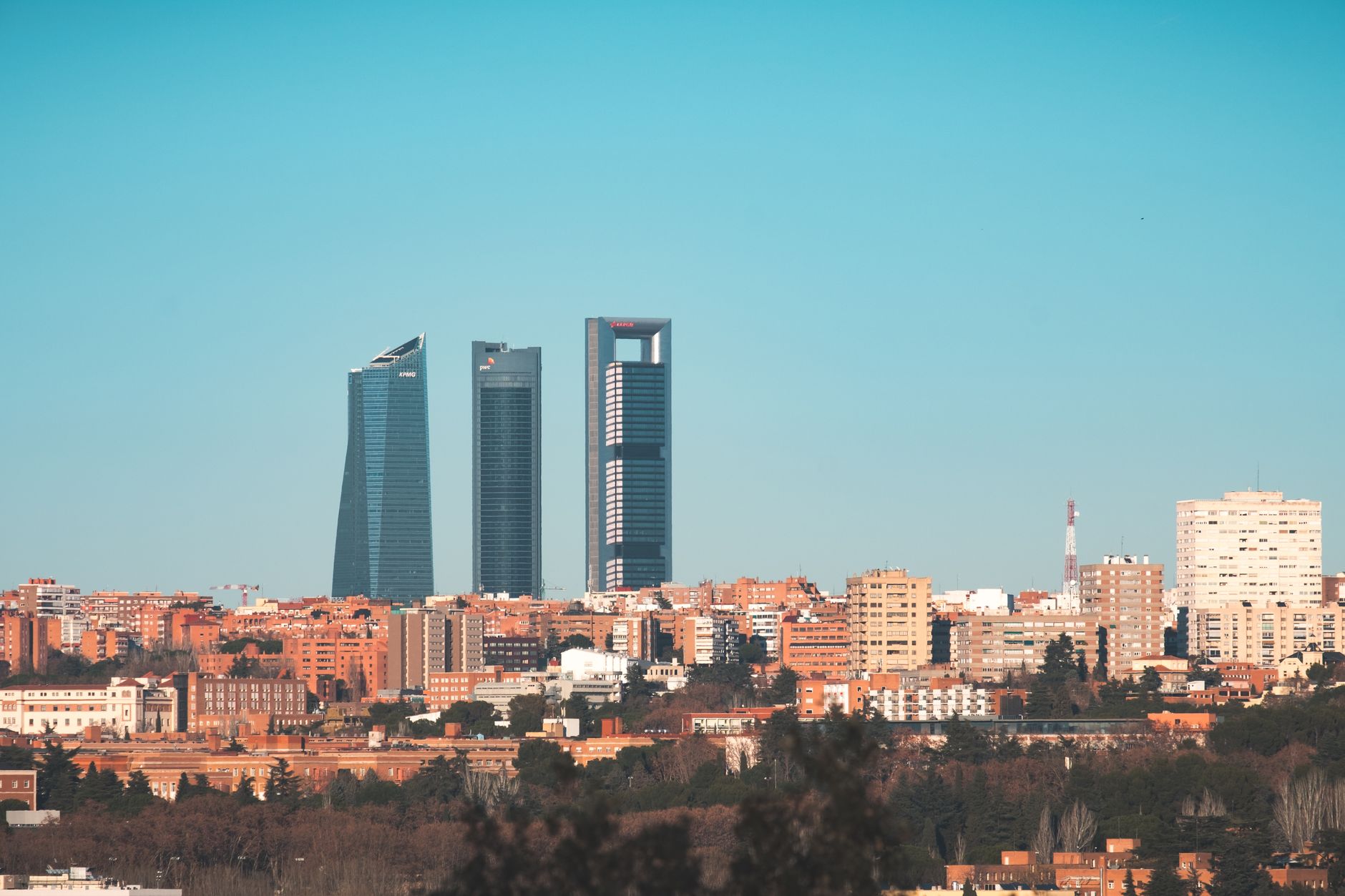
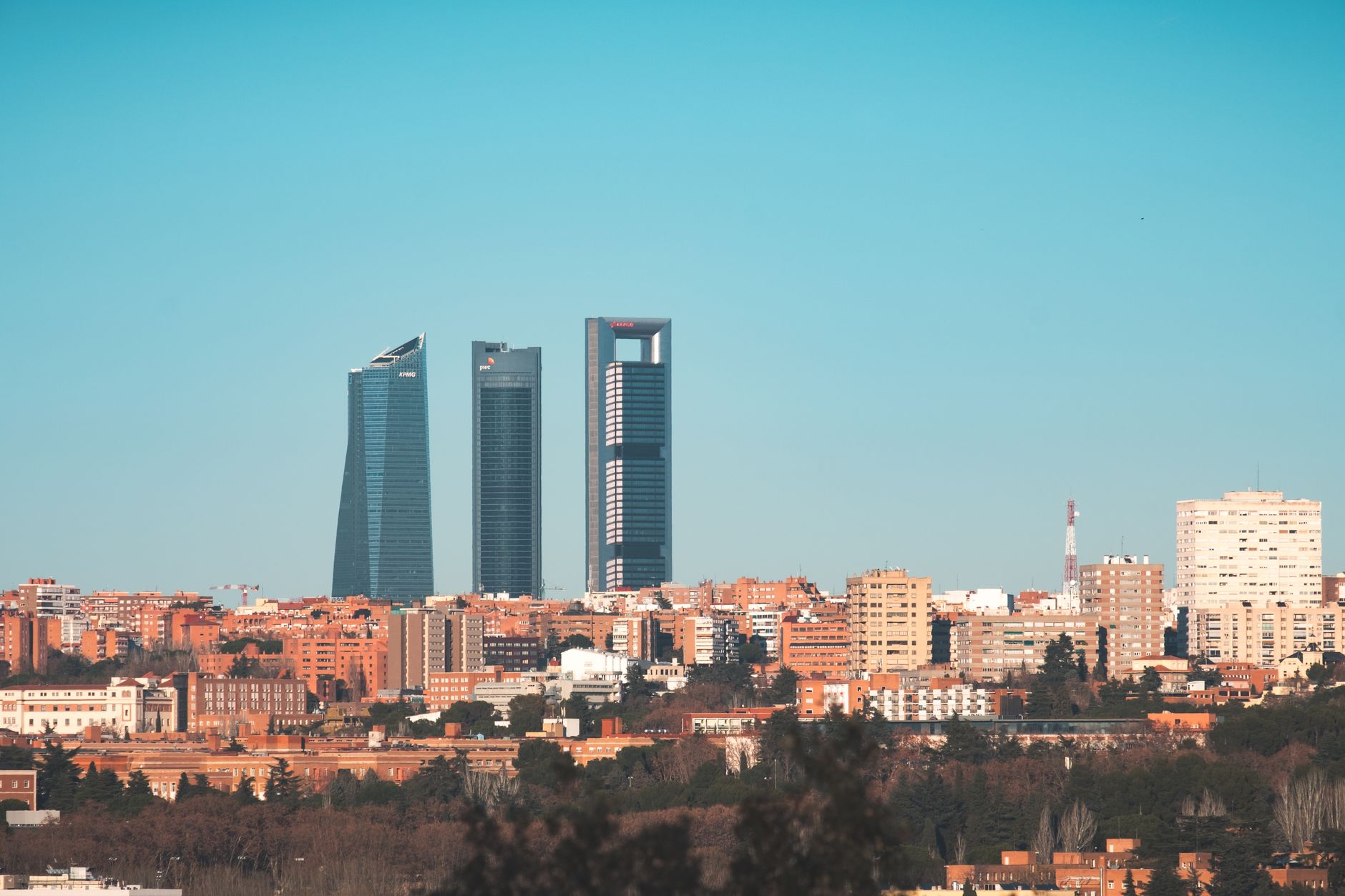
Madrid's business establishment is quietly capitalizing on a seismic shift in global trade patterns. With traditional shipping routes through the Middle East facing renewed volatility and companies urgently diversifying their supply chains, Spain's capital has emerged as an unexpected winner—and early movers in the logistics, pharmaceutical, and technology sectors are already seeing substantial gains.
The opportunity centers on Madrid's position as a western European gateway. The city's integrated transport infrastructure—Adolfo Suárez Madrid-Barajas Airport handling 62 million passengers annually, the Port of Algeciras just 600 kilometers south, and the expanding rail corridors through the Chamartín district—makes it an increasingly attractive alternative to traditional hub cities facing disruption.
Companies operating in the Corredor del Henares industrial zone, east of the city center, report unprecedented inquiries from multinational firms seeking European distribution centers. Warehouse space in nearby Torrejón de Ardoz, historically priced at €6-7 per square meter monthly, has climbed to €8.50 as major logistics operators secure long-term leases. One regional facility manager noted that contract negotiations that previously took six months now conclude in weeks.
The pharmaceutical sector is particularly active. Madrid's established medical device and pharmaceutical clusters—concentrated around the Parque Empresarial La Moraleja in the north—are benefiting as companies reduce exposure to Asian manufacturing dependencies. Several firms have expanded cold-chain logistics operations, critical as global vaccine distribution networks reorganize.
Technology companies based around the Plaza Castilla and the burgeoning startup ecosystem near Atocha station are positioning themselves as software solutions providers for supply chain optimization. Real-time tracking platforms and customs documentation automation have become growth areas, with venture capital interest in Madrid-based logistics tech startups reportedly doubling year-on-year.
The Madrid Chamber of Commerce reports that export inquiries from regional businesses have increased 34 percent since early 2026. Traditional manufacturing firms in the Toledo corridor and textiles producers in the southeast are exploring opportunities to position Madrid as their international sales headquarters rather than production base.
However, not all businesses are benefiting equally. Smaller companies lacking capital to invest in new logistics infrastructure or technology upgrades face margin pressure. Import-dependent retailers, particularly those concentrated along Calle Preciados and the commercial districts of Salamanca, report higher freight costs eating into profits.
The consensus among business leaders in Madrid's executive circles is clear: this window of opportunity may be temporary. Companies that lock in advantageous positions and infrastructure investments now could dominate European trade routing for the next decade. For Madrid, the question is whether city planners and policymakers can maintain the regulatory agility that attracted this sudden commercial attention.
This article was compiled by AI from the sources linked above and screened before publishing. See our editorial standards.