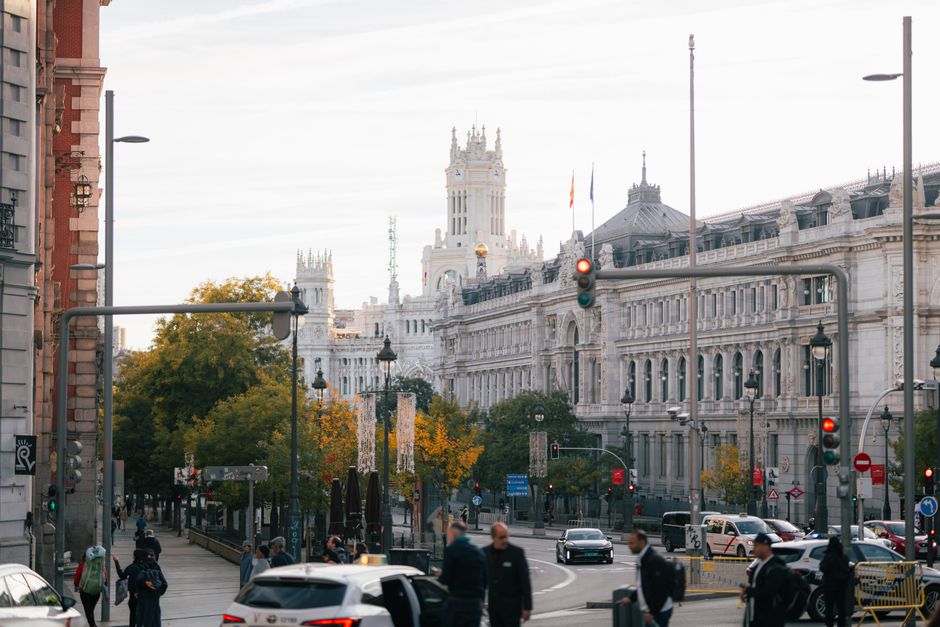
Madrid's Job Market Feels the Shockwaves of Global Instability
As geopolitical tensions and economic uncertainty ripple across the world, Madrid's businesses are bracing for talent shortages and shifting investment priorities.
As geopolitical tensions and economic uncertainty ripple across the world, Madrid's businesses are bracing for talent shortages and shifting investment priorities.
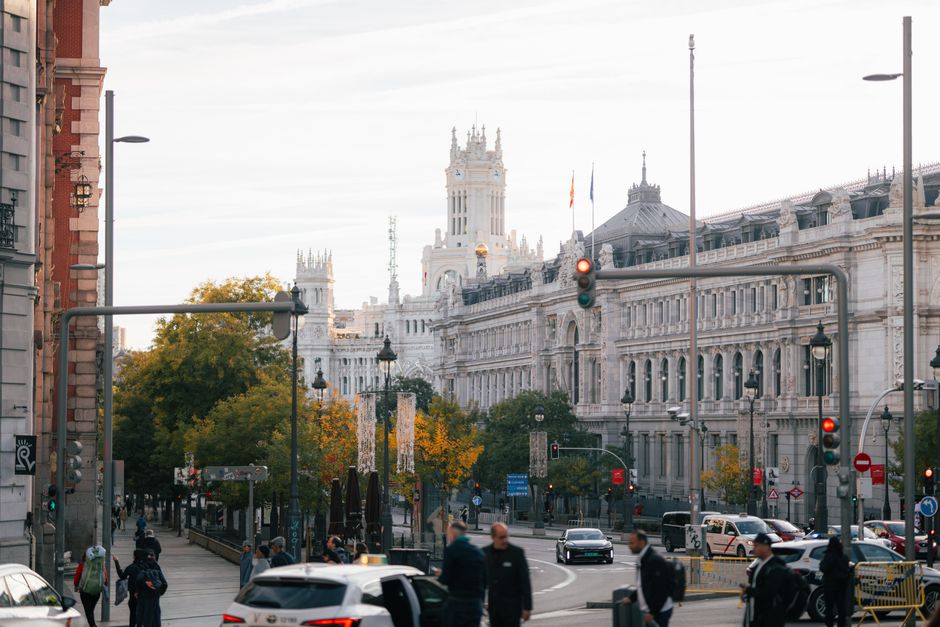
Madrid's recruitment agencies are reporting an unexpected slowdown in hiring across tech and finance sectors, a direct consequence of the geopolitical turmoil reshaping global markets. Firms operating from office parks in the Cuatro Torres Business Area and along Paseo de la Castellana are reassessing expansion plans as multinational uncertainty takes hold.
The impact is tangible. Executive search firms working with companies in Madrid's financial district report that mid-level positions—particularly in international relations, compliance, and risk management—are taking longer to fill. Candidates are hesitant to commit to roles requiring frequent travel or relocation, citing concerns about regional instability affecting business operations across the Middle East, Africa, and Eastern Europe.
"We're seeing clients delay hiring decisions by 60 to 90 days," says a senior recruiter at a prominent Madrid-based staffing agency, requesting anonymity. "Companies want clarity before investing in headcount."
Tourism and hospitality employers around Plaza Mayor and in the historic city centre report a different problem: unexpected strength in bookings from domestic Spanish travellers seeking alternatives to previously popular destinations. Hotels are scrambling to hire seasonal staff, yet face competition from other European cities offering higher wages to compensate for perceived risks.
The pharmaceutical and engineering sectors—major employers across Madrid's industrial corridors—are experiencing supply chain pressures that translate into recruitment challenges. Companies sourcing raw materials from affected regions are reorganising their operations, creating new demand for procurement specialists and logistics coordinators, but also triggering unexpected layoffs in legacy positions.
Commercial property along Avenida de América shows early signs of stress. Co-working spaces report decreased demand from startup founders reconsidering expansion timelines, though established companies are consolidating operations rather than downsizing, maintaining current employment levels.
The Spanish labour market's relative resilience—unemployment hovering around 11 percent—provides some insulation. Yet Madrid's economy, heavily dependent on international business, tourism, and financial services, remains vulnerable to sustained global turbulence. Companies are shifting toward remote work arrangements and hiring talent from lower-cost EU markets, potentially suppressing wage growth in professional services.
For jobseekers, the message is mixed: demand persists, but competition is intensifying. Workers in export-dependent industries should prepare for volatility, while those in domestic-focused sectors face tighter competition from international talent pools. Madrid's business ecosystem is adapting, but the next six months will test its flexibility against forces beyond the city's control.
This article was compiled by AI from the sources linked above and screened before publishing. See our editorial standards.
How does this story make you feel?
Spread the word
About this article
Published by The Daily Madrid
Daily brief
Free, in your inbox before 7am. Weekdays.
More in Business