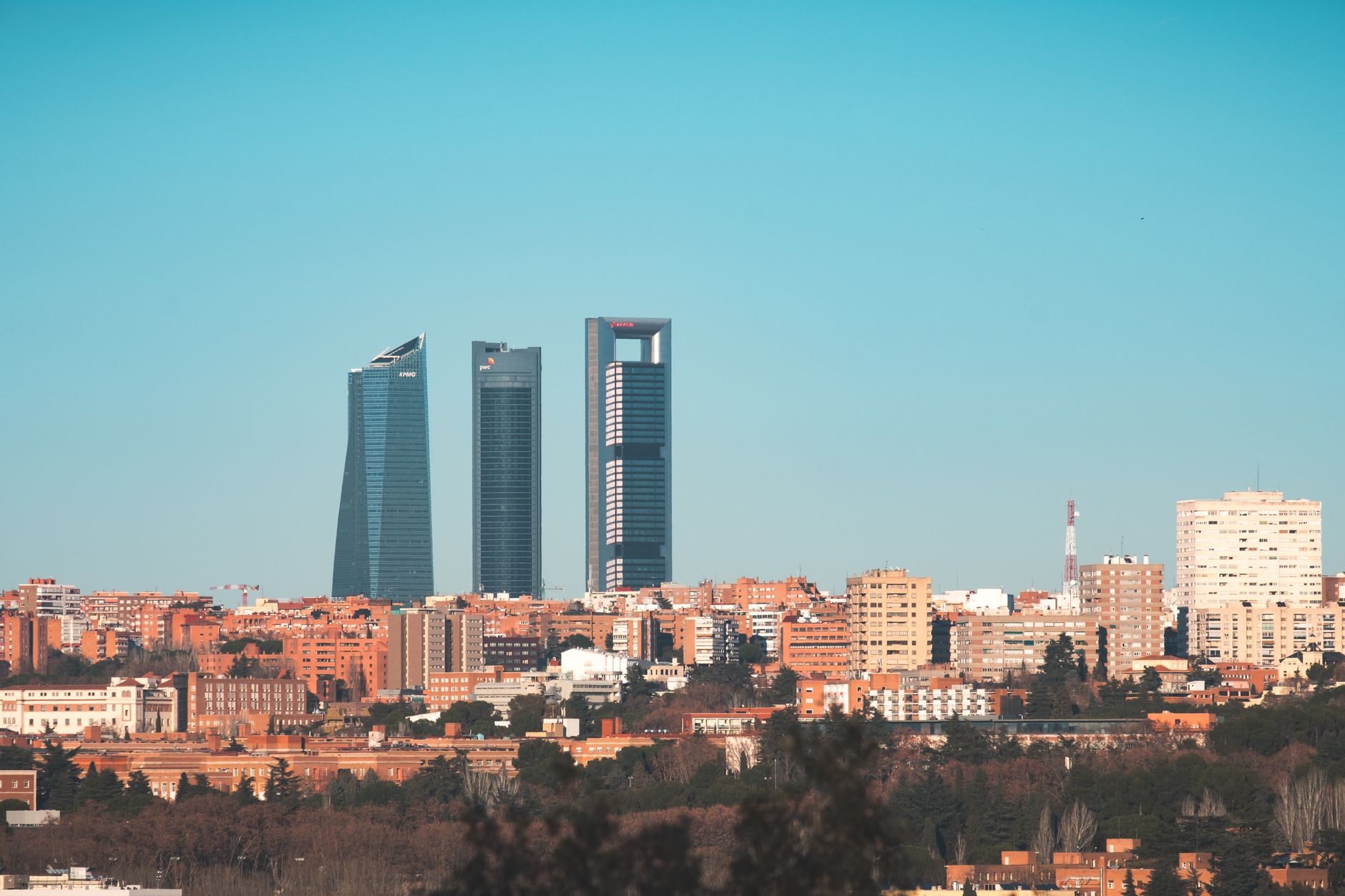
Madrid's business district has long thrived on Spain's position as a bridge between Europe and Latin America. But the seismic shifts in global trade patterns over the past eighteen months are rewriting the rules for how companies here recruit, retain, and deploy talent.
The reshuffling is particularly visible along the Paseo de la Castellana, where logistics, import-export, and distribution companies have historically clustered. Industry sources indicate that firms managing cross-border supply chains are now prioritizing employees with expertise in nearshoring strategies—the practice of moving manufacturing and operations closer to home markets rather than relying on distant Asian suppliers. This pivot is creating acute demand for professionals fluent in both Portuguese and Mandarin, individuals versed in regulatory frameworks across North Africa, and supply chain architects who understand Central European logistics.
"The profile we're hiring for today looks completely different from five years ago," explains one Madrid-based logistics executive, speaking on condition of anonymity. Salaries for these specialized roles have climbed roughly 12-15% annually since 2024, according to recruitment data reviewed by this publication, outpacing broader wage growth across Spain's private sector.
But opportunity is unevenly distributed. While firms headquartered in the Salamanca neighbourhood and around the Cuatro Torres business complex are aggressively recruiting, smaller enterprises in outer districts like Carabanchel struggle to compete for talent. Trade schools and vocational training institutes across the city report surging enrollment in supply chain management and international commerce programs—yet their graduates often depart for better-compensated positions in northern European hubs.
The volatility is also reshaping where people choose to live. Some professionals are decamping from pricier central neighbourhoods like Chueca and Malasaña, where rental costs have ballooned past €1,400 monthly for modest flats. They're seeking proximity to emerging business clusters near the airport and along the A-2 corridor, where many distribution operations are relocating to reduce urban congestion costs.
Event venues like the Ifema Madrid convention centre have seen a spike in conferences devoted to international trade and supply chain resilience, drawing executives from across Spain and Europe—a signal that Madrid's business community recognizes the stakes. Yet beneath the surface, anxiety persists. Companies cannot predict which trade relationships will prove durable, and that uncertainty is making long-term talent planning extraordinarily difficult for human resources departments across the capital.
This article was compiled by AI from the sources linked above and screened before publishing. See our editorial standards.