Madrid's Startup Scene Shifts: What Entrepreneurs Need to Know in the Second Half of 2026
Rising office costs in the tech corridor and a pullback in venture funding are reshaping where and how Madrid's innovators build their next big idea.
Rising office costs in the tech corridor and a pullback in venture funding are reshaping where and how Madrid's innovators build their next big idea.
Madrid's innovation district is experiencing a critical recalibration. Six months into 2026, the dynamics that powered the city's startup boom are showing unmistakable strain, forcing entrepreneurs and investors to rethink strategies across the capital's thriving tech ecosystem.
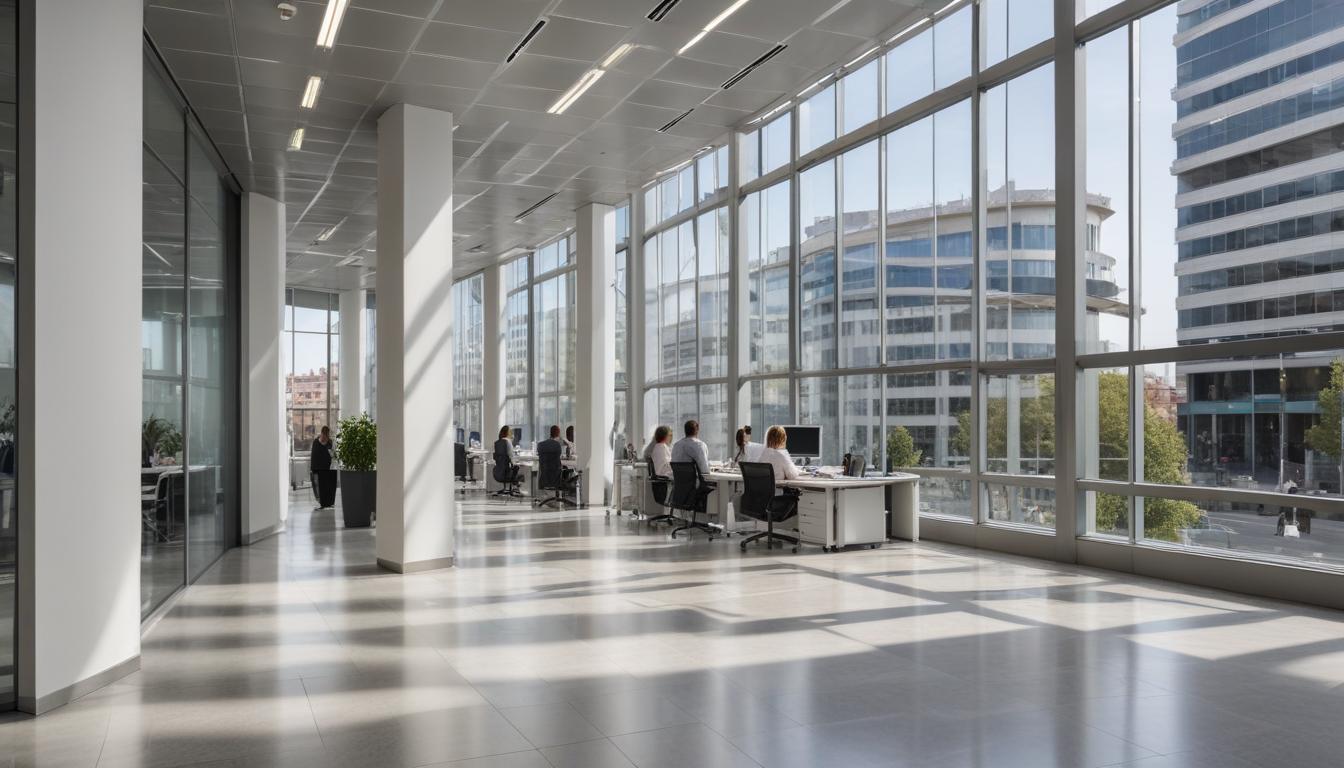
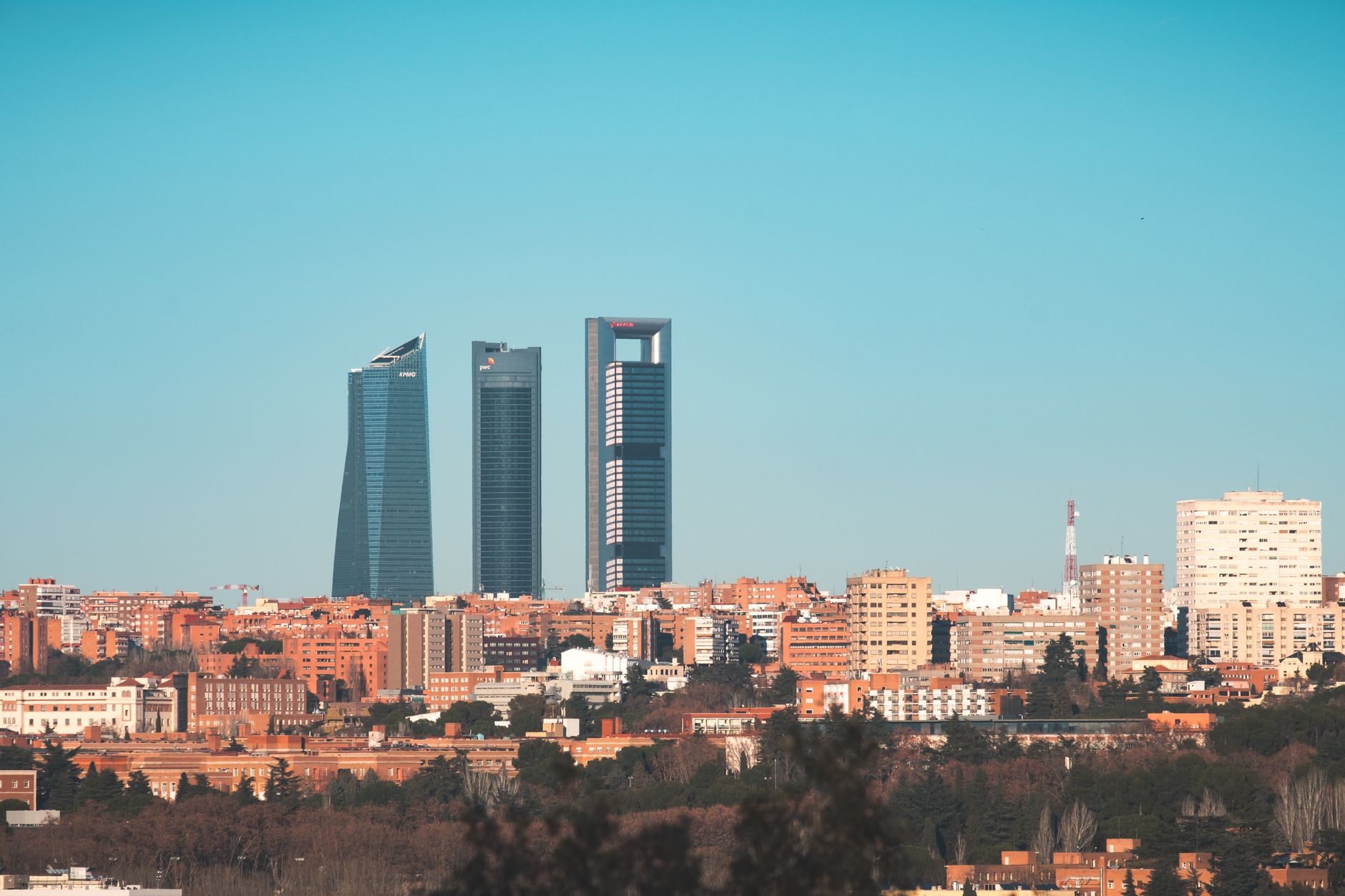
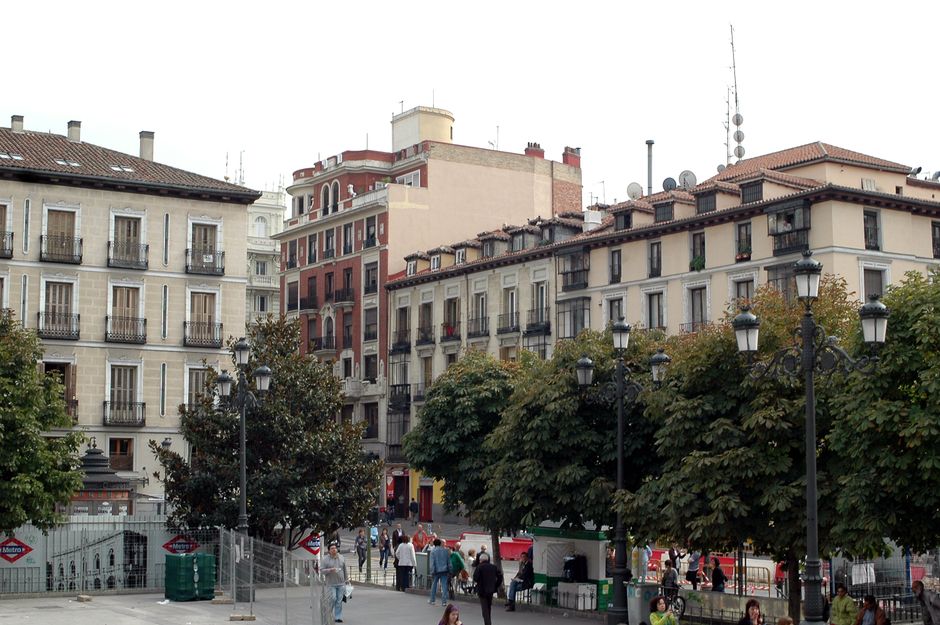
The most immediate challenge: real estate. In the Chamberí district and around the Paseo de la Castellana corridor—traditional hubs for tech companies—commercial rents have climbed approximately 15% year-over-year, according to recent market assessments. Office space near Cuatro Torres Business Area, once accessible to early-stage teams, now commands €25-30 per square metre monthly. This has accelerated a geographic shift: younger startups are increasingly establishing bases in Malasaña and Chueca, where creative industries cluster and renovation costs remain more manageable, though these neighbourhoods lack the infrastructure density of established tech zones.
Venture capital momentum has also cooled. Madrid-based and pan-European investment funds have become noticeably selective, with Series A and B rounds taking longer to close. Tech entrepreneurs report that investor appetite now heavily favours companies with clear profitability timelines and established revenue streams—a marked departure from 2024's growth-at-all-costs mentality. The ecosystem remains robust: institutions like Google Campus Madrid (located in the historic Telefónica building) and various accelerators continue operating, but capital allocation has tightened significantly.
What's stabilising the market, however, is sectoral diversification. While fintech and software-as-a-service startups dominated Madrid's earlier growth waves, 2026 shows emerging strength in climate tech, biotech partnerships (particularly around the Universidad Autónoma's research corridor), and enterprise software serving Europe's manufacturing heartland. Companies addressing supply-chain resilience and industrial automation are finding investor backing more readily than pure consumer plays.
For founders currently operating or considering Madrid as a base, the practical takeaway is strategic. Shorter lease commitments—12 to 24-month terms rather than traditional five-year agreements—are becoming negotiable with landlords keen to maintain occupancy. Co-working arrangements in established hubs remain viable for teams under 15 people, with monthly desk costs around €400-600. Simultaneously, companies should stress-test their unit economics rigorously; the era of indefinite runway funding is plainly over.
Madrid's startup ecosystem remains one of Europe's most dynamic, with genuine institutional support and a growing talent pool. But the pragmatism required now—careful site selection, realistic financial planning, sector focus—marks a maturation that separates serious builders from speculative ventures. That clarity, while demanding, ultimately strengthens the market's foundations.
This article was compiled by AI from the sources linked above and screened before publishing. See our editorial standards.
How does this story make you feel?
Spread the word
About this article
Published by The Daily Madrid
Daily brief
Free, in your inbox before 7am. Weekdays.
More in Business