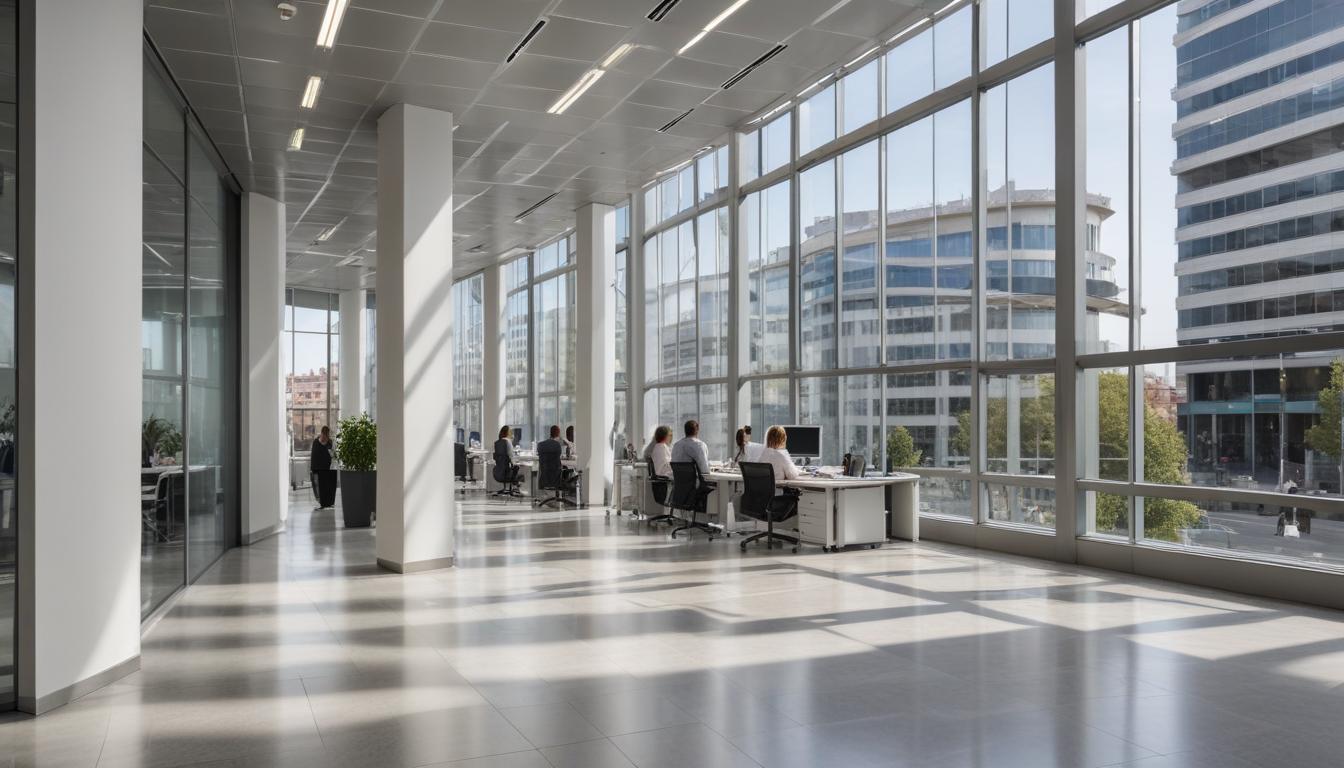
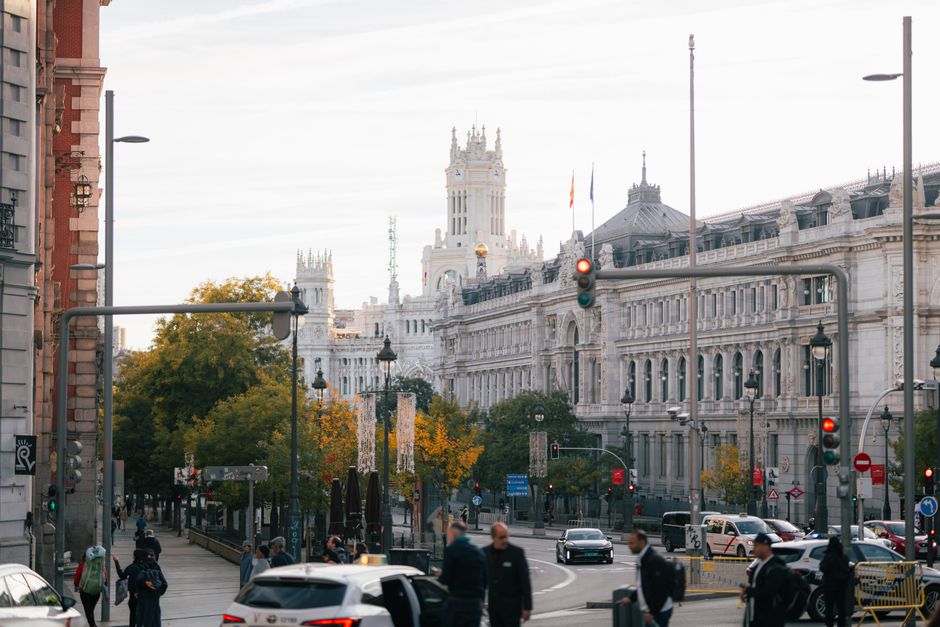
Madrid's commercial property market is experiencing a decisive recalibration. While headline vacancy rates across the city hover around 9–10%, the story beneath the numbers reveals clear winners and losers in a landscape transformed by remote work and international consolidation.
The shift is most visible in the competition for premium addresses. Properties in the Golden Mile around Paseo de la Castellana and the adjacent business district command €18–22 per square metre annually, commanding near-full occupancy. Conversely, secondary office stock in outer neighbourhoods like Sanchinarro or Fuencarral-El Pardo faces downward pressure, with landlords accepting 15–20% haircuts to retain tenants.
"The market is splitting," explains the property sector's consensus. Large corporations—particularly in tech, consulting, and financial services—are consolidating into fewer, smaller-footprint hubs rather than sprawling campuses. This creates acute demand for flexible, modern spaces in connected locations. Landlords who recognised this trend early have prospered. Several investment firms holding renovated stock in Chamberí and near Atocha have secured three-year leases at rates matching or exceeding pre-pandemic levels, often with co-working operators or scaled-down corporate satellites.
Conversion is emerging as the defining opportunity. Traditional office buildings on Calle Serrano and around Plaza Castilla—designed for 1990s-era open-plan layouts—are being reimagined as hybrid environments, blending collaboration zones, wellness facilities, and hot-desking. Developers investing €3,000–4,000 per square metre in retrofits report completion velocity and lease-up times substantially faster than new construction, with pricing reaching €25+ per square metre in exceptional cases.
International capital is notably active. European and Asian pension funds have acquired several prime assets across the Ensanche district in recent quarters, betting on Madrid's regulatory stability and Spain's improving tech ecosystem attracting corporate relocation from more volatile markets. These institutional players can afford longer holding periods and accept lower initial yields—squeezing mid-market private landlords who lack such financial depth.
The micro-mobility revolution is also reshaping commercial geography. Properties within 500 metres of Metro stations or new bike-sharing hubs command premiums. Neighbourhoods like Malasaña and Chueca, historically residential, are experiencing pilot commercial conversions targeting smaller professional firms and startups seeking affordable alternative to traditional office corridors.
However, not all movements favour landlords. Hybrid arrangements mean that per-capita occupancy continues declining. Market observers project that by 2028, effective office absorption could fall a further 12–15% unless landlords embrace radical repositioning toward mixed-use models: retail-office hybrids, wellness-integrated campuses, or cultural-commercial spaces.
The winners will be those moving fastest. The losers will be those waiting for markets to return to 2019.
This article was compiled by AI from the sources linked above and screened before publishing. See our editorial standards.