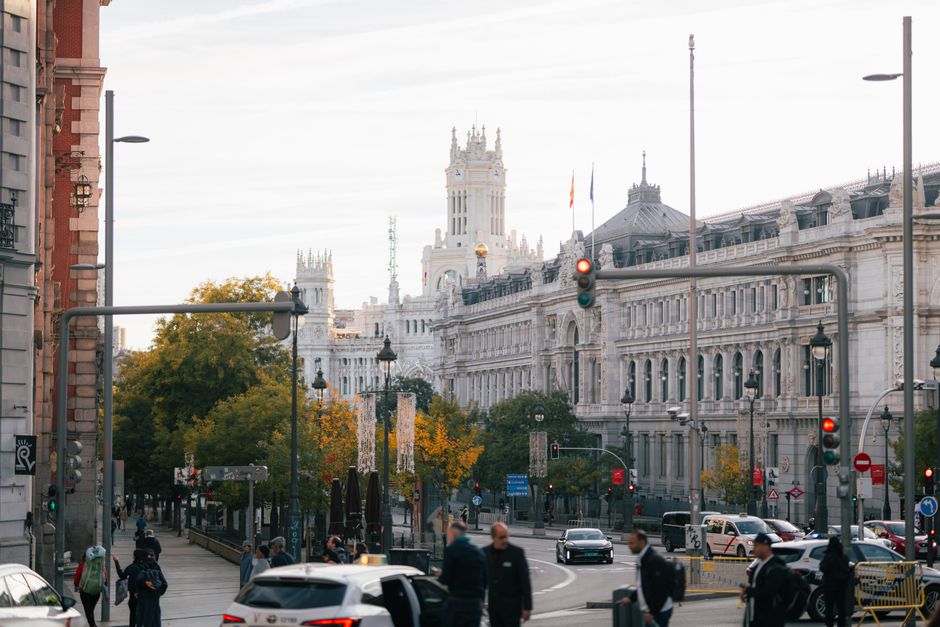
Walk into any new establishment along Paseo del Prado or Gran Vía these days, and you'll notice something curious: fewer servers at tables, more screens at counters, and kitchens increasingly staffed by machines rather than chefs. Madrid's hospitality and food sector is undergoing a technological overhaul that's rewriting the city's employment landscape in ways both promising and troubling for thousands of workers.
The shift accelerated dramatically over the past 18 months. Major restaurant groups operating across Chueca, Malasaña, and the financial district have invested heavily in self-ordering kiosks, contactless payment systems, and automated food preparation. A recent analysis by the Madrid Chamber of Commerce found that 34% of new hospitality venues opening in the capital now incorporate some form of kitchen automation—up from just 8% in 2023. Traditional labour-intensive roles are being eliminated faster than they're being created.
The data tells a sobering story for Madrid's hospitality workforce. The Spanish National Statistics Institute reported that entry-level food service positions in the capital city fell by 12% year-on-year through Q1 2026, while positions requiring technical certification in kitchen management and digital systems rose by 28%. Wages for traditional waiting and kitchen prep roles have stagnated around €1,100-€1,400 monthly, while certified technicians commanding system oversight now earn €1,800-€2,200.
Employment agencies across the city report unprecedented demand for workers who can troubleshoot digital ordering systems or manage hybrid kitchens—a skillset most incumbent staff lack. Talento Madrid, a major hospitality recruiter, estimates it now rejects 60% of applicants for new restaurant positions due to insufficient digital literacy. Meanwhile, traditional catering schools in neighbourhoods like Tetuan and Carabanchel report declining enrolment, as young workers pursue tech certifications instead.
Some hospitality leaders argue the transition is necessary. Labour costs in Madrid's premium dining scene have become prohibitive, they say, with hospitality wages rising 18% over five years whilst customer spending growth flatlined. Automation, they contend, allows restaurants to remain competitive against delivery-focused competitors and dining experiences in lower-cost European cities.
But the human cost is real. Workers aged 45-plus report particular difficulty finding new roles, and Madrid's immigrant communities—who comprise roughly 40% of the capital's hospitality workforce—face steeper barriers entering tech-heavy positions. Industry groups are calling on the regional government to fund retraining programmes, though budget allocations remain unclear.
For Madrid's talent market, the message is stark: hospitality's future belongs to those who can code as well as cook.
This article was compiled by AI and screened before publishing. See our editorial standards.