Madrid's Tourism Boom: What Residents and Visitors ...
As record numbers flood the capital, locals face price hikes while tourists navigate an increasingly crowded city—here's what's actually changing in your neighbourhood.
As record numbers flood the capital, locals face price hikes while tourists navigate an increasingly crowded city—here's what's actually changing in your neighbourhood.
Madrid is experiencing an unprecedented tourism surge. Last year, the city welcomed over 9 million visitors, with projections suggesting the number could reach 12 million by 2027. For residents and tourists alike, this growth carries immediate, practical consequences worth understanding.
The most visible impact? Prices. A café con leche in Sol now averages €2.50, up 18 percent from two years ago. In Malasaña, where creative professionals once found affordable studio space, rents have climbed 22 percent annually. The Prado Museum, which welcomed 3.2 million visitors in 2024, has introduced dynamic pricing—peak summer visits now cost €16 instead of the standard €12. The Reina Sofía follows suit, affecting everyone from school groups to casual art enthusiasts.
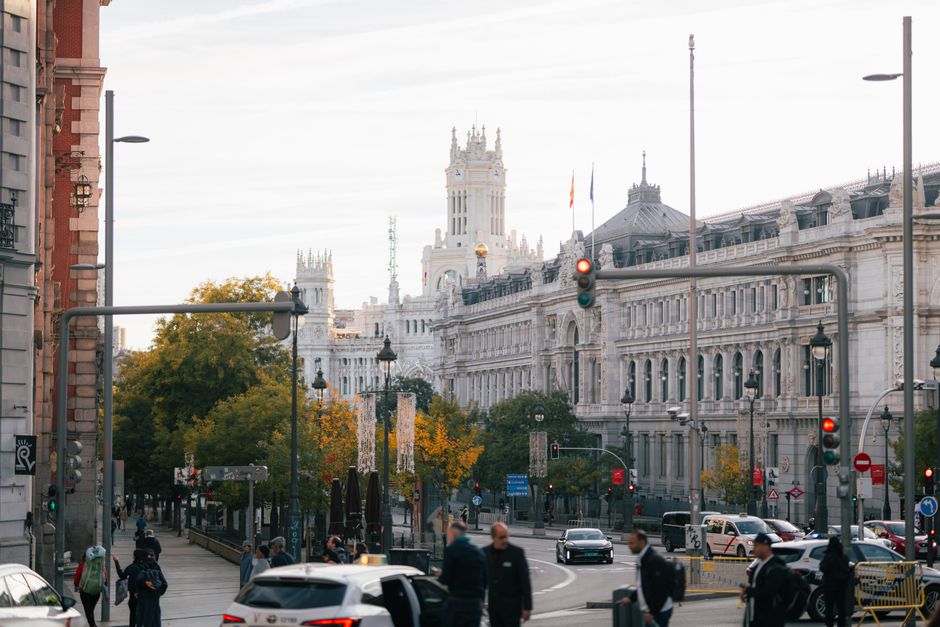
Congestion has become genuine. Puerta del Sol, Plaza Mayor, and the Gran Vía corridor experience dangerous overcrowding during peak hours (11am-2pm, 5pm-8pm). Local authorities have begun enforcing visitor caps on certain streets, though enforcement remains inconsistent. Residents commuting through these areas report journey times increasing by 40 percent during summer months.
Accommodation dynamics reveal deeper shifts. Airbnb listings in central Madrid jumped from 2,400 in 2018 to nearly 8,000 today. The consequence: long-term rental availability in neighbourhoods like Chueca and Barrio de las Letras has contracted sharply, with prices climbing to €900-1,200 for basic one-bedroom flats. City Hall has proposed stricter licensing rules, but implementation faces resistance from property owners.
Restaurant and hospitality workers face their own squeeze. While tourism creates employment, wages haven't kept pace with living costs. Many establishments now employ temporary staff for seasonal peaks, creating employment instability. Weekend service staff report working 50-hour weeks for minimal benefits.
For tourists, the crowding creates quality-of-life trade-offs. Museum visits require advance booking. Restaurant tables book weeks ahead. The authentic Madrid experience many seek—stumbling onto neighbourhood gems, casual café culture—becomes harder to find as vendors optimize for high-volume, high-margin transactions.
Understanding these dynamics matters. Residents shopping in La Latina should expect higher prices and crowded markets. Visitors should book attractions early and consider exploring less-saturated areas like Malasaña's northern edges or neighbourhoods along the Manzanares. City planning decisions made now—about visitor flows, pricing, housing policy—will reshape Madrid's character for years ahead.
The tourism economy benefits Madrid's coffers and employment figures. But neighbourhoods, affordability, and authentic urban life face genuine pressure. That's the trade-off residents and visitors should understand clearly.
This article was compiled by AI from the sources linked above and screened before publishing. See our editorial standards.
How does this story make you feel?
Spread the word
About this article
Published by The Daily Madrid
Daily brief
Free, in your inbox before 7am. Weekdays.
More in Business