Madrid's Trade Engine Sputters: How Global Business Headwinds Are Testing Spain's Economic Hub
Rising protectionism, geopolitical fractures and supply chain volatility are forcing Madrid's export-dependent firms to rethink strategies mid-year.
Rising protectionism, geopolitical fractures and supply chain volatility are forcing Madrid's export-dependent firms to rethink strategies mid-year.
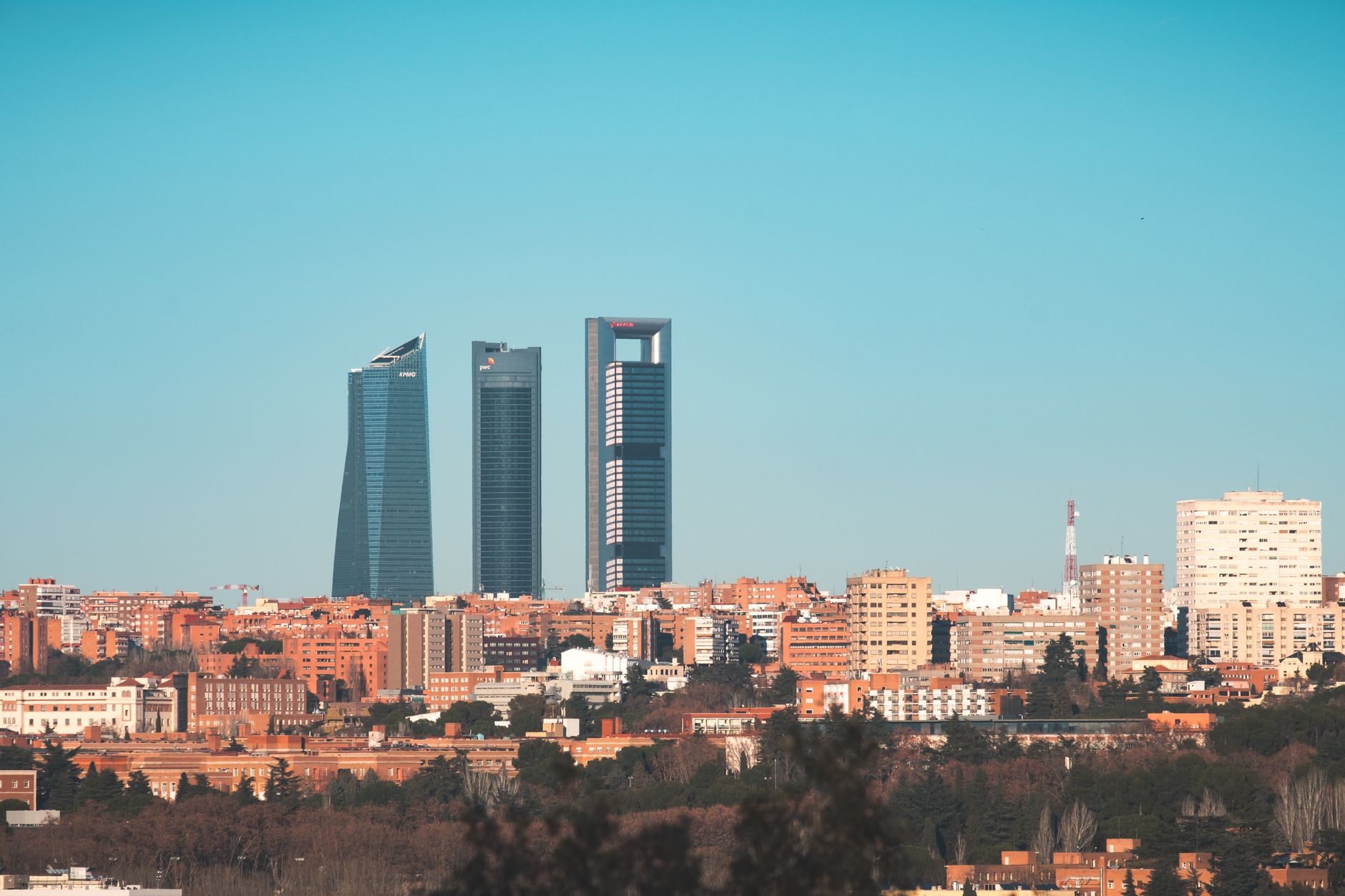
Walk through the gleaming office towers along Paseo de la Castellana and you'll find a familiar refrain: uncertainty. Mid-2026 has brought a convergence of pressures that are testing Madrid's reputation as Spain's international business nerve centre, with trade complications mounting faster than most forecast.
The numbers tell a sobering story. Spanish exports, which have anchored Madrid's business district for decades, face their most volatile landscape in years. Tariff escalations from major trading partners, combined with unpredictable policy shifts from key markets, have created a planning nightmare for the mid-market exporters and multinational subsidiaries headquartered in neighbourhoods like Chamartín and Salamanca.
"We're seeing clients delay capital decisions," explains one logistics director based near Plaza Castilla, speaking on condition of anonymity. Pharmaceutical firms, automotive suppliers, and renewable energy companies—sectors where Madrid punches above its weight—are all grappling with margin compression and route recalculation.
The Chamber of Commerce has recorded a measurable uptick in consultation requests from companies reassessing supply chains. Where Spanish firms once relied on predictable European networks, many are now exploring redundancy and nearshoring options. One textile exporter operating from an industrial zone in the southern suburbs recently shifted part of operations to Morocco—a move that would have seemed peripheral five years ago.
Geopolitical fragmentation is another culprit. The spiralling tensions across multiple regions are constraining capital flows and making long-term contracts feel riskier. Insurance premiums for international shipments have risen sharply. Currency volatility adds another layer of friction: firms that trade in dollars or emerging-market currencies face unexpected headwinds when converting earnings back to euros.
For Madrid's business services sector—the accountants, lawyers, and consultants clustered around Recoletos and the financial district—this turbulence translates into demand. But it's a demand born of necessity rather than growth, and it masks deeper anxiety about 2026's trajectory.
Some sectors are adapting. Companies pivoting toward nearshoring, digitisation, and supply chain resilience are finding advantage in Madrid's position as a European gateway. But the broader message is clear: the seamless, globalised trade environment that enabled Madrid's ascent over the past two decades is fracturing. The city's business community is learning, once again, that proximity to opportunity carries no guarantee against disruption.
This article was compiled by AI from the sources linked above and screened before publishing. See our editorial standards.
How does this story make you feel?
Spread the word
About this article
Published by The Daily Madrid
Daily brief
Free, in your inbox before 7am. Weekdays.
More in Business