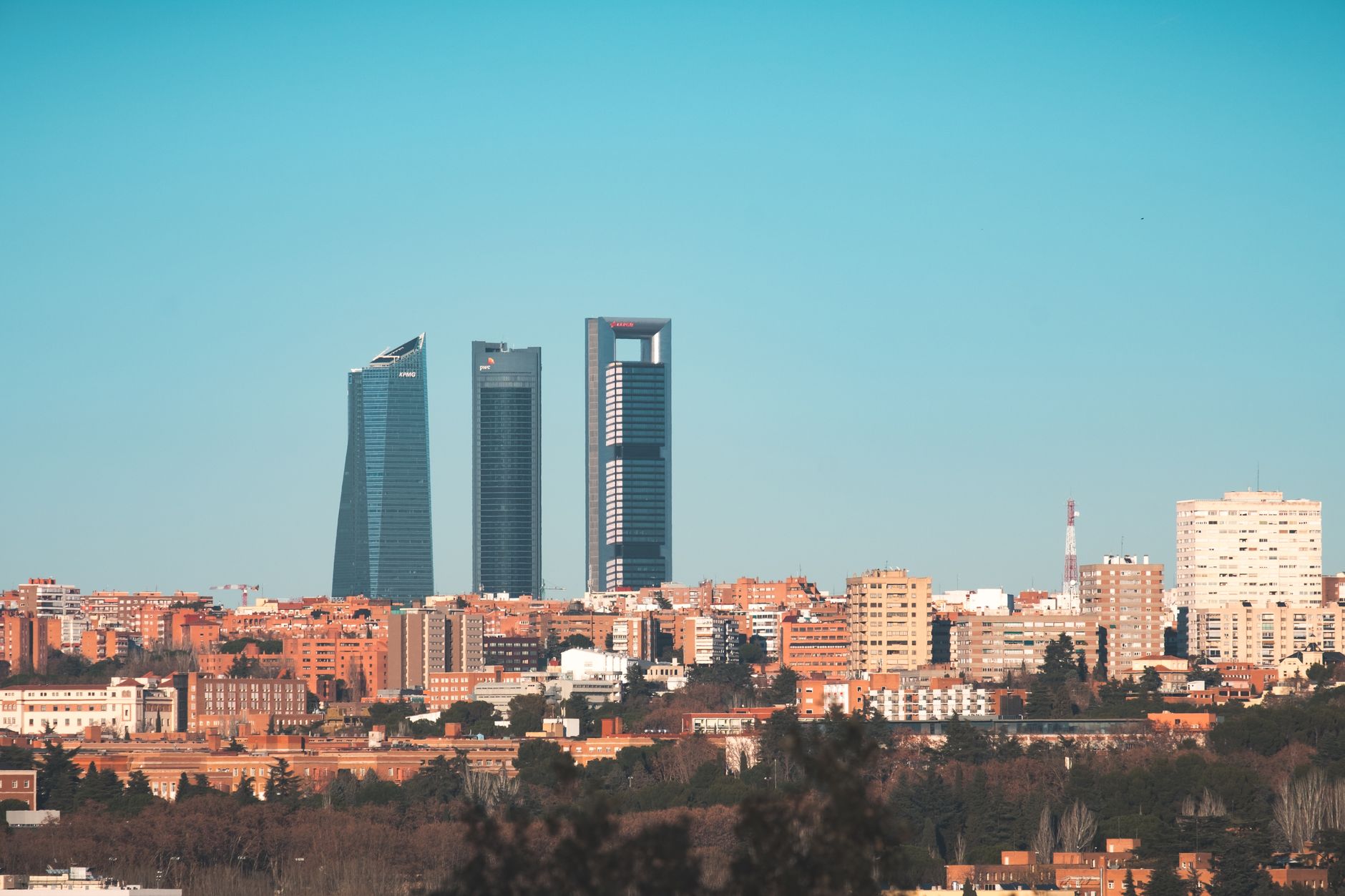
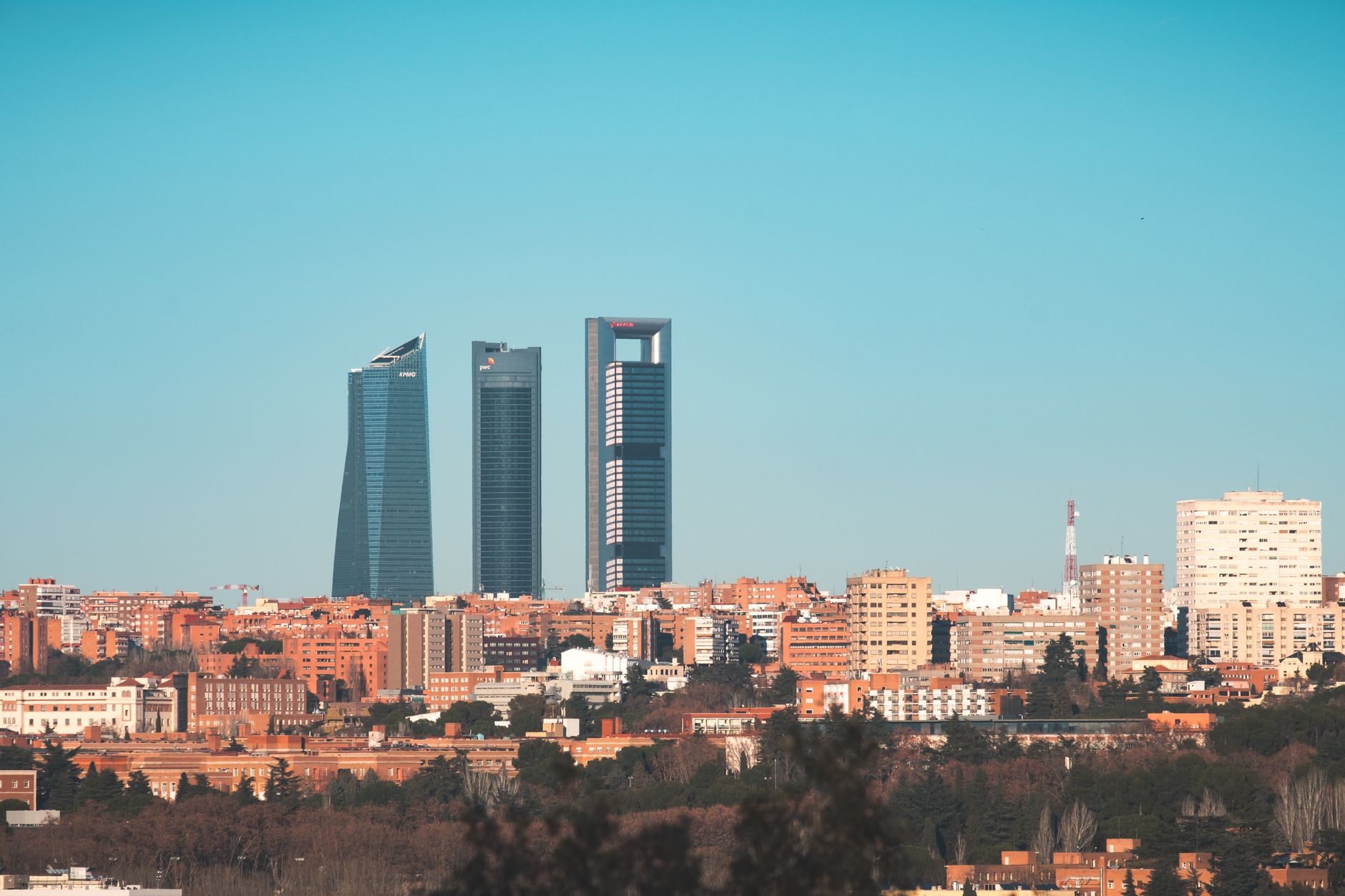
Madrid's employment landscape is undergoing a seismic shift. Five years ago, the notion of working remotely from a café in Malasaña or conducting client calls from a co-working space in Chueca would have been anathema to most traditional employers. Today, it has become standard practice—and it is fundamentally reshaping how businesses here attract and retain talent.
The acceleration of hybrid and fully remote arrangements, which accelerated dramatically post-pandemic, has created an unexpected consequence: Madrid's traditionally tight-fisted recruitment market has loosened considerably. Talent acquisition professionals across the city report that candidates are increasingly willing to accept positions outside the capital entirely, knowing they can maintain flexibility. This has forced major employers—particularly in the tech and finance sectors clustered around the BBVA headquarters in the northern reaches and along Paseo de la Castellana—to rethink compensation structures.
Data from Madrid's Chamber of Commerce suggests that real wages for mid-level tech positions have plateaued or declined by approximately 3-4% in inflation-adjusted terms over the past eighteen months, a reversal of the upward trajectory that characterised the 2015-2024 period. Simultaneously, rents in traditionally expensive neighbourhoods like Salamanca and Retiro have stabilised, while demand for properties in outer districts—Vallecas, Villaverde, and areas along the Metro Line 9 towards Arganda—has surged.
The implications extend beyond housing. Networking venues that once thrummed with ambitious young professionals—the hotel bars of Recoletos, the restaurants around Plaza Mayor—now host a more dispersed workforce. Co-working operators, particularly those in the Chamberí and Chamartín districts, have reported sustained demand even as traditional office utilisation rates have declined to approximately 60% capacity on average Tuesdays and Thursdays.
Business schools and recruitment agencies operating from Castellana and Calle Serrano report that employers are casting wider nets. Many have relocated hiring responsibilities to regional offices or adapted their strategies to tap talent pools across Spain and Europe. The days of Madrid commanding a premium wage advantage over Barcelona or Valencia have largely evaporated.
Yet this recalibration is not uniformly negative. Startups and smaller enterprises, freed from expensive central Madrid office commitments, have proliferated in secondary business hubs. The emerging question for policymakers is whether this represents temporary adjustment or permanent restructuring of Spain's capital as an employment centre.
This article was compiled by AI from the sources linked above and screened before publishing. See our editorial standards.