Madrid's Office Market Sends Mixed Signals: What the Numbers Really Tell Investors
As foreign capital retreats and vacancy rates climb, commercial real estate data reveals a city at a crossroads between pandemic recovery and economic uncertainty.
As foreign capital retreats and vacancy rates climb, commercial real estate data reveals a city at a crossroads between pandemic recovery and economic uncertainty.
Madrid's commercial property market is flashing amber lights for seasoned investors accustomed to the city's robust growth trajectory. Recent data from the Chamber of Commerce and leading property consultancies paint a picture of a market recalibrating itself in response to shifting economic currents—a reality far more complex than headlines about declining rents might suggest.
The numbers tell a revealing story. Vacancy rates in prime business districts have inched upward to 8.2 percent, up from 6.1 percent two years ago, according to latest market reports. In traditional office strongholds like the Paseo de la Castellana and Chamberí district, premium spaces that once commanded €850 per square metre annually now hover around €720, representing a meaningful 15 percent contraction. Yet simultaneously, select pockets of Madrid continue to attract significant capital flows.
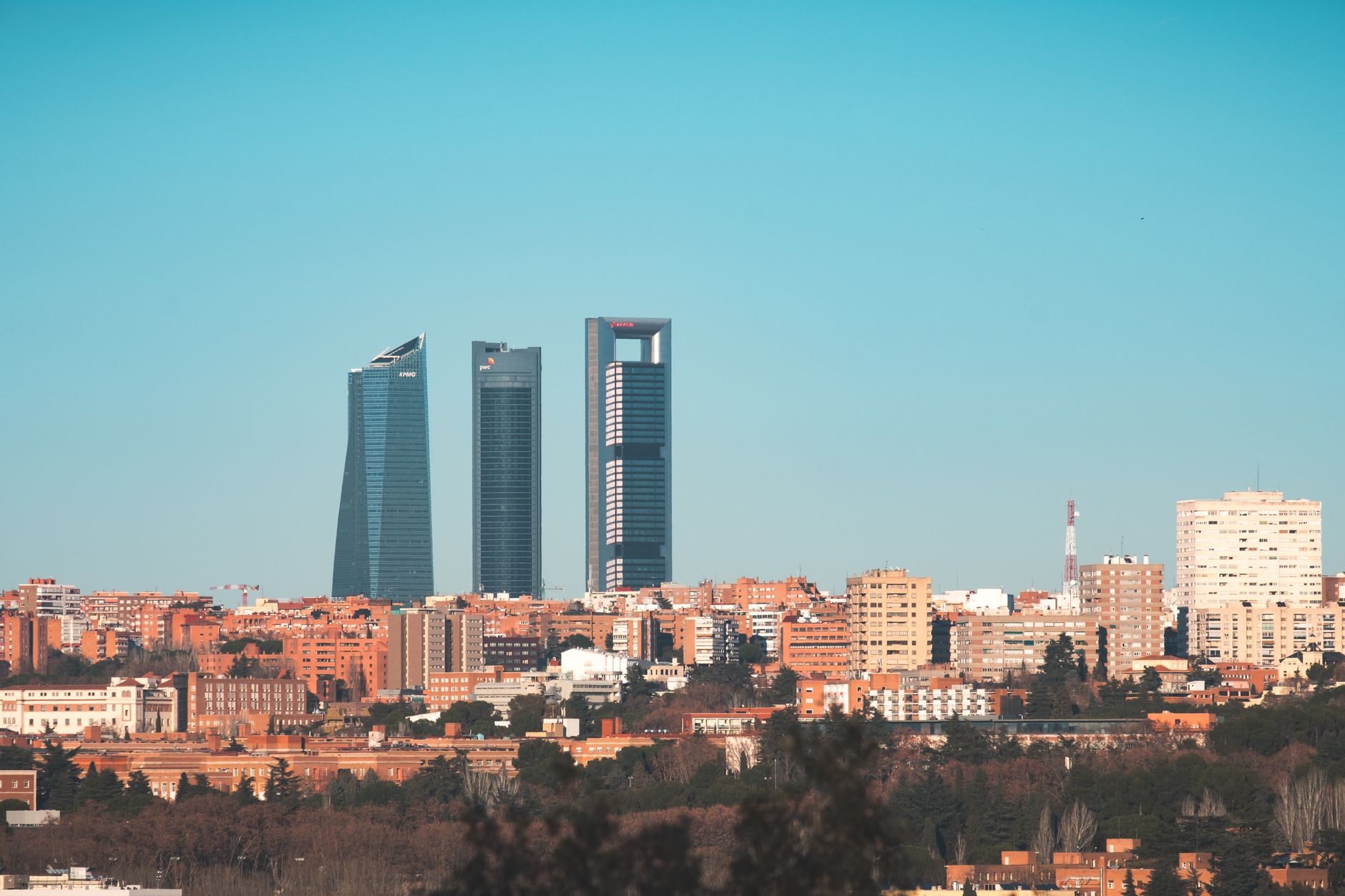
This paradox reflects deeper economic forces reshaping how multinational firms view Spanish headquarters. Tech companies and financial services remain bullish—recent leasing activity in the Cuatro Torres business complex near Chamartín suggests foreign investors haven't abandoned Madrid entirely. However, the composition of investment has shifted markedly. American and British firms, which dominated deals between 2022 and 2024, have become more cautious. European investors from Germany and France are now proportionally dominant, suggesting a recalibration toward European-focused operations.
Significantly, the divergence between headline rental rates and underlying fundamentals reveals investor anxiety about medium-term demand. When landlords offer generous concessions—typically two to three months free rent on multi-year leases—it signals weakness beneath quoted prices. This is precisely what's occurring in secondary locations like the Avenida de América corridor, where effective yields have compressed despite nominal rates remaining stable.
What should investors make of this? The data suggests Madrid remains an attractive long-term destination, but the low-hanging fruit of the immediate post-pandemic recovery has been picked. Companies are no longer simply leasing additional space; instead, many are consolidating footprints or adopting hybrid models that require less physical real estate. This structural shift is unlikely to reverse quickly.
The positive indicator lies in fundamentals beyond rent: Madrid's employment in business services remains robust, population continues growing, and public investment in transport infrastructure persists. The temporary softness in office markets reflects cyclical economic headwinds and operational adjustment rather than systemic loss of confidence in the city's role as a European business hub.
Smart investors will scrutinize location premium carefully. Core assets in Salamanca and Retiro maintain value; secondary stock elsewhere requires higher conviction and longer holding periods.
This article was compiled by AI from the sources linked above and screened before publishing. See our editorial standards.
How does this story make you feel?
Spread the word
About this article
Published by The Daily Madrid
Daily brief
Free, in your inbox before 7am. Weekdays.
More in Business