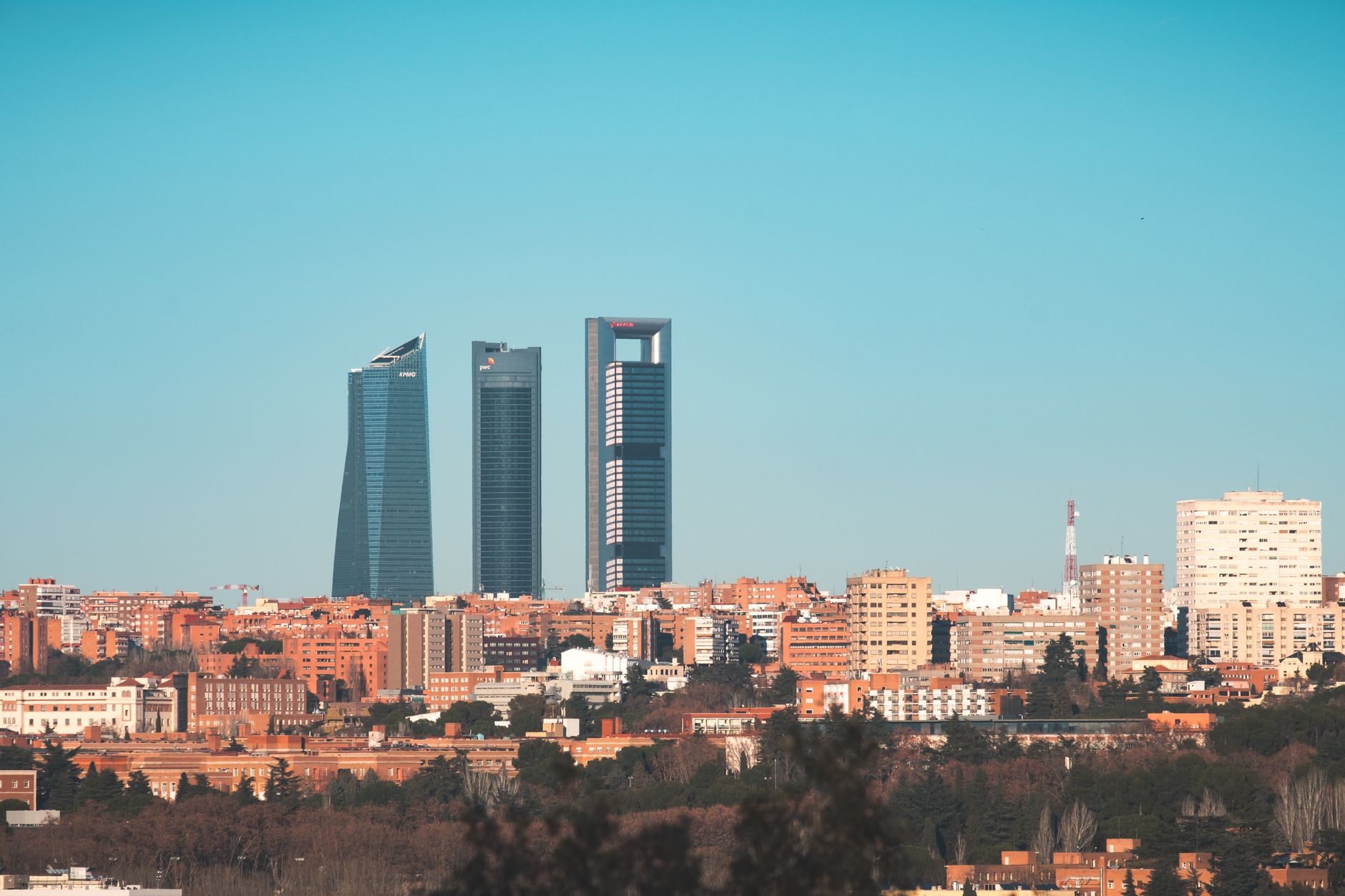
Madrid's startup ecosystem has reached an inflection point. What began as scattered tech ventures across the capital has crystallized into a genuine competitive advantage for the city, fundamentally altering how employers recruit and how workers navigate their careers.
The transformation is most visible in areas like Chamberí and Malasaña, where co-working spaces and innovation hubs now anchor entire neighbourhoods. The concentration of early-stage companies, scaleups, and multinational tech offices has created unprecedented demand for software engineers, product managers, and data specialists. Salary benchmarks have shifted accordingly—junior developers in Madrid now command €35,000 to €42,000 annually, a 28% increase from five years ago, according to recruitment firm data tracking the capital's tech labour market.
This talent war extends beyond traditional tech roles. Marketing professionals, UX designers, and operations specialists are equally sought after. Many established Madrid companies find themselves losing employees to better-funded startups offering equity packages and flexible working arrangements. The ripple effects are reshaping corporate HR strategies across the city, forcing even conservative sectors to modernize their employment propositions.
The physical infrastructure tells the story. Spaces like MediaLab Prado and NUVEM (Madrid's AI-focused innovation district) have expanded significantly since 2024, creating ecosystems where young talent naturally gravitates. The Metro de Madrid's improved connectivity to business corridors has made previously overlooked neighbourhoods suddenly attractive for office locations, democratizing where companies can operate and where workers can live affordably.
Yet challenges persist. While Madrid attracts talent nationally and increasingly internationally, the ecosystem still trails Barcelona and Berlin in venture funding volumes. Competition for experienced mid-level professionals remains intense, with many Spanish tech workers considering relocations to higher-paying markets in Switzerland or Germany. The housing crisis compounds the problem—young professionals earning solid salaries still struggle to find affordable accommodation near innovation hubs.
For jobseekers, the moment offers genuine opportunity. Entry barriers to tech careers have lowered through bootcamp programmes and internal company training initiatives, responding directly to talent shortages. Companies increasingly hire for potential rather than experience alone, opening pathways previously unavailable in Madrid's more traditional business environment.
What's clear is that Madrid's startup momentum is no longer a peripheral trend. It's fundamentally reshaping how the city attracts, develops, and retains talent—creating winners among early movers while pressuring laggards to adapt or lose ground to cities with stronger innovation credentials.
This article was compiled by AI from the sources linked above and screened before publishing. See our editorial standards.