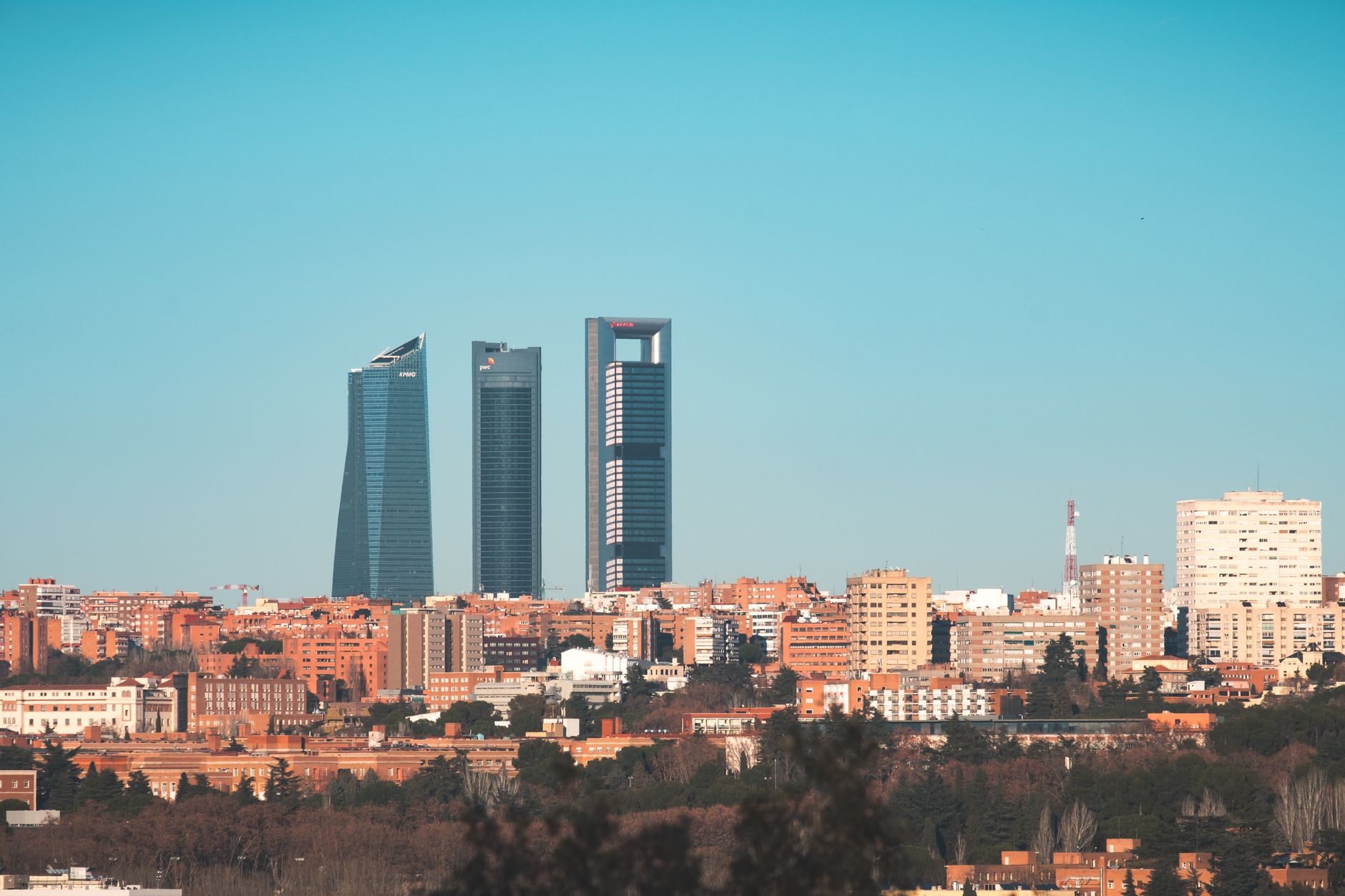
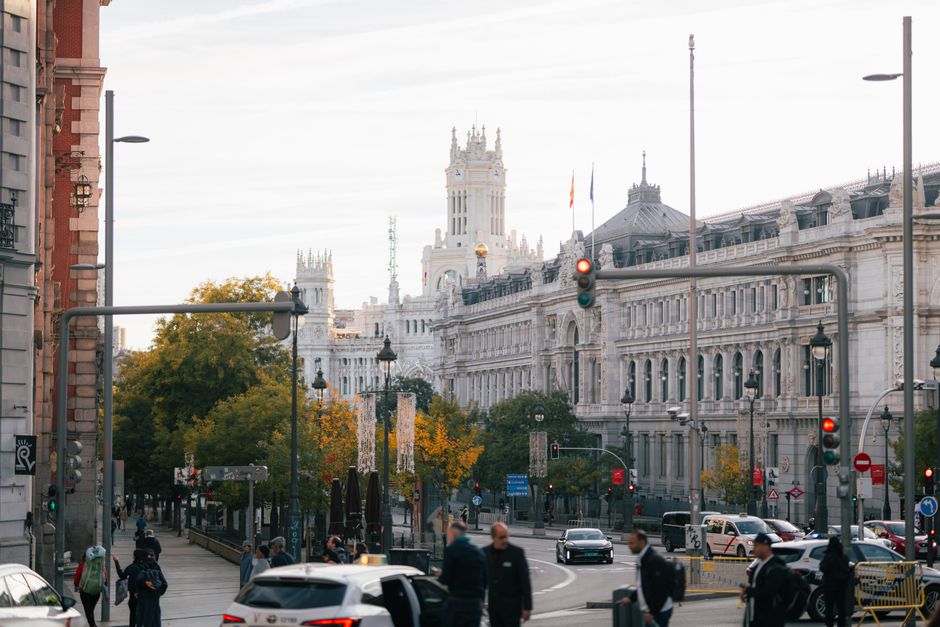
Madrid's tourism sector is at a crossroads. While visitor numbers have rebounded to pre-pandemic levels—the city welcomed 9.2 million tourists in 2025—the composition and spending behaviour of those visitors has fundamentally changed, creating both opportunity and risk for the capital's €15 billion-plus visitor economy.
The traditional model of European city-break tourism, where affluent leisure travellers spend freely on museums, restaurants and shopping, is fragmenting. Data from Madrid's Chamber of Commerce shows that while overall arrivals remain robust, average daily spend per visitor has stagnated at around €95—down 8% in real terms from 2019. Simultaneously, the proportion of budget-conscious visitors using platforms like Airbnb and discount airlines has surged, squeezing margins for mid-range hotels and established hospitality chains.
The geographic mix is shifting too. While traditional European markets remain steady, visitors from India, Brazil and Southeast Asia now represent the fastest-growing segments, collectively up 34% year-on-year. This has profound implications for businesses in Paseo del Prado, Gran Vía and the tourist-saturated streets of Sol. These new visitors prioritise experiences over shopping—museum tickets, food tours and cultural activities—rather than luxury goods.
Retail operators in the Golden Mile face particular pressure. Premium fashion brands report that foot traffic remains high but conversion rates have declined as price-sensitive tourists browse rather than purchase. Meanwhile, independent restaurants and experience-based businesses in Malasaña, Chueca and La Latina are capitalising on demand for authentic, non-touristy dining.
The short-term rental explosion—Madrid now has over 15,000 registered tourist apartments—continues to erode hotel occupancy in mid-tier establishments, forcing consolidation and creative repositioning. Several hotels have retooled as lifestyle boutique properties or business-focused venues to survive.
Industry analysts warn that over-tourism in core neighbourhoods risks damaging the city's appeal. Barcelona's experience—where resident backlash prompted stricter licensing—looms as a cautionary tale. Madrid's city council is discussing similar measures, which could reshape where visitors cluster.
For businesses, the message is clear: the era of passive volume-based growth is ending. Success now requires precise segmentation, digital sophistication and genuine differentiation. Hotels investing in guest experience technology, restaurants embracing food storytelling, and attractions developing tiered offerings are weathering the transition best. Those clinging to legacy models risk obsolescence.
This article was compiled by AI from the sources linked above and screened before publishing. See our editorial standards.