How Global Chaos Is Reshaping Madrid's Export Economy
From mining deals in Africa to shipping disruptions in the Middle East, international turbulence is forcing Madrid's businesses to rethink supply chains and market strategies.
From mining deals in Africa to shipping disruptions in the Middle East, international turbulence is forcing Madrid's businesses to rethink supply chains and market strategies.
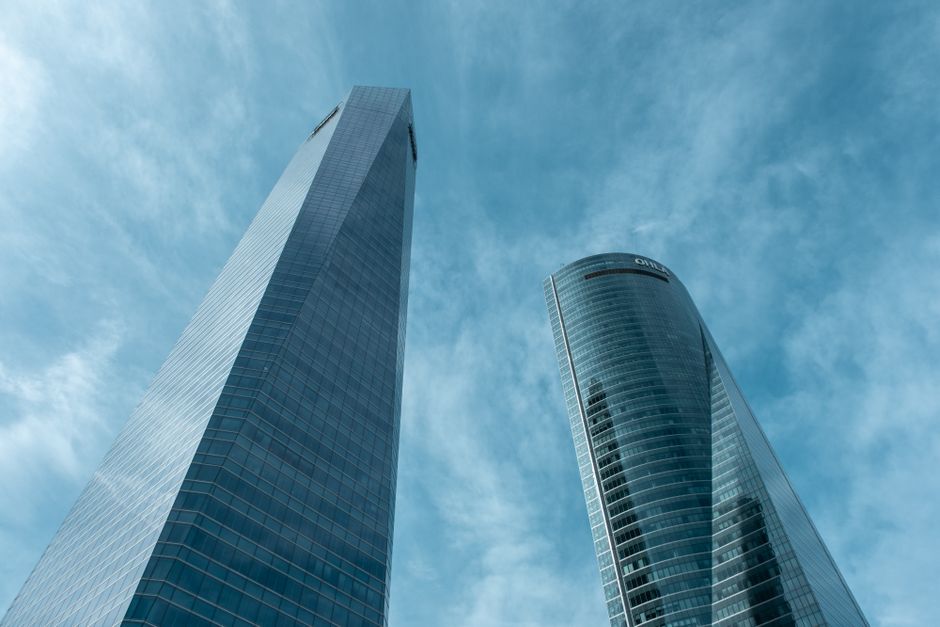
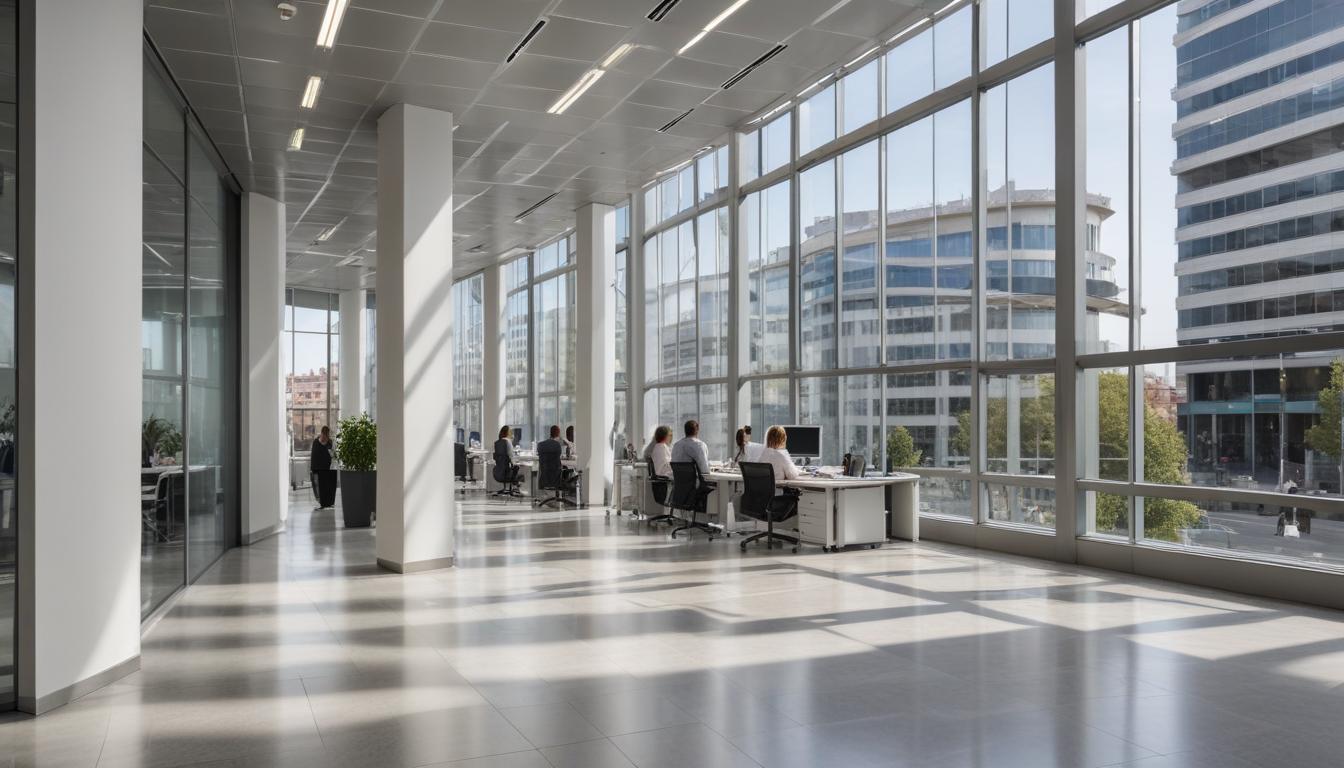
Walking through the gleaming offices along Paseo de la Castellana, you might not immediately sense the tremors rattling Madrid's export sector. Yet the past months of geopolitical upheaval—from African political instability to Middle Eastern tension—are forcing some of Spain's most robust companies to fundamentally restructure how they do business globally.
The ripple effects are concrete. Import-export firms clustered in the Chamberí district report that shipping costs through the Strait of Hormuz have jumped 23% since tensions between the U.S. and Iran intensified, directly inflating logistics expenses for Madrid-based textile and automotive component manufacturers. For mid-sized enterprises already operating on margins of 8-12%, that's a margin-crushing blow.
"Our clients are asking harder questions," explains the business community at the Madrid Chamber of Commerce, which has fielded unprecedented inquiries about supply chain diversification. Companies that previously relied on single-source relationships in Africa and the Middle East are now exploring alternatives in Southeast Asia and Latin America—a costly, months-long process that diverts capital from growth investment.
The mining sector exemplifies the challenge. Recent high-profile deals involving substantial international capital have highlighted resource volatility in Africa, prompting Madrid-headquartered companies with African exposure to reassess their risk profiles. A pharmaceutical supplier based in Retiro reports that sourcing raw materials now requires 40% more due diligence than two years ago, adding thousands to project costs.
Yet some Madrid businesses are adapting strategically. Companies around the Zona Centro are pivoting toward nearshoring strategies, partnering with Portuguese and Moroccan producers to reduce transit risks and shipping times. This approach appeals particularly to fashion and food sectors, where speed-to-market matters.
The broader picture is sobering. Madrid's export sector—worth approximately €85 billion annually—depends on stable global corridors that no longer exist. The city's position as Spain's economic engine means disruptions here echo across the nation's balance sheets.
Local entrepreneurs attending networking events at venues like La Cocina de Mentoria in the Malasaña neighbourhood acknowledge the new reality: global business now demands constant vigilance. Investment in supply chain flexibility has become non-negotiable. For Madrid's business establishment, the question is no longer whether international turmoil will affect operations, but how quickly they can adapt when it does.
This article was compiled by AI from the sources linked above and screened before publishing. See our editorial standards.
How does this story make you feel?
Spread the word
About this article
Published by The Daily Madrid
Daily brief
Free, in your inbox before 7am. Weekdays.
More in Business