Madrid's Office Market Battles Headwinds as Demand Cools and Uncertainty Mounts
Rising interest rates, hybrid work trends, and geopolitical tensions are testing the resilience of Spain's commercial property sector in the capital.
Rising interest rates, hybrid work trends, and geopolitical tensions are testing the resilience of Spain's commercial property sector in the capital.
Madrid's commercial real estate market, long a beacon of stability in Southern Europe, is facing mounting pressure as 2026 enters its final stretch. The once-buoyant office sector—which transformed neighbourhoods like Chamberí and Retiro into premium business districts—now confronts a cocktail of challenges that have investors and developers recalibrating their strategies.
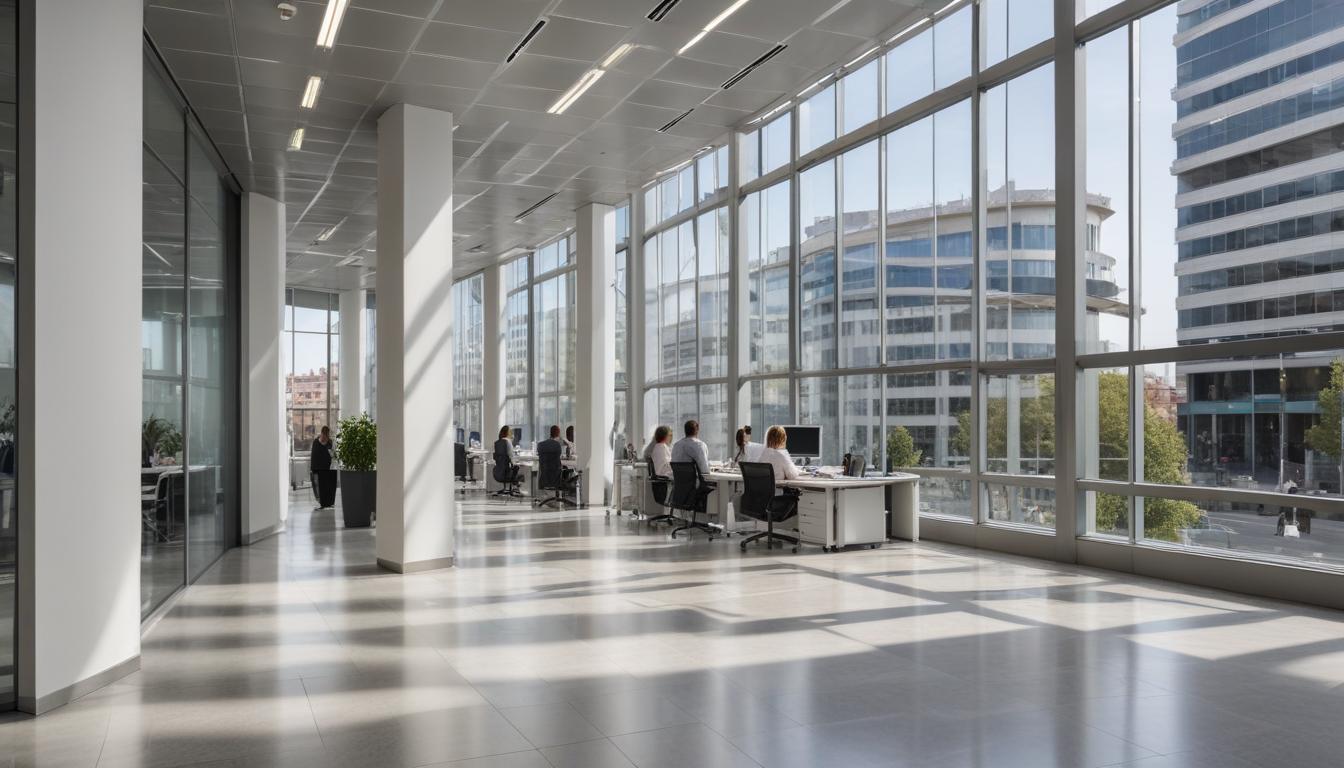
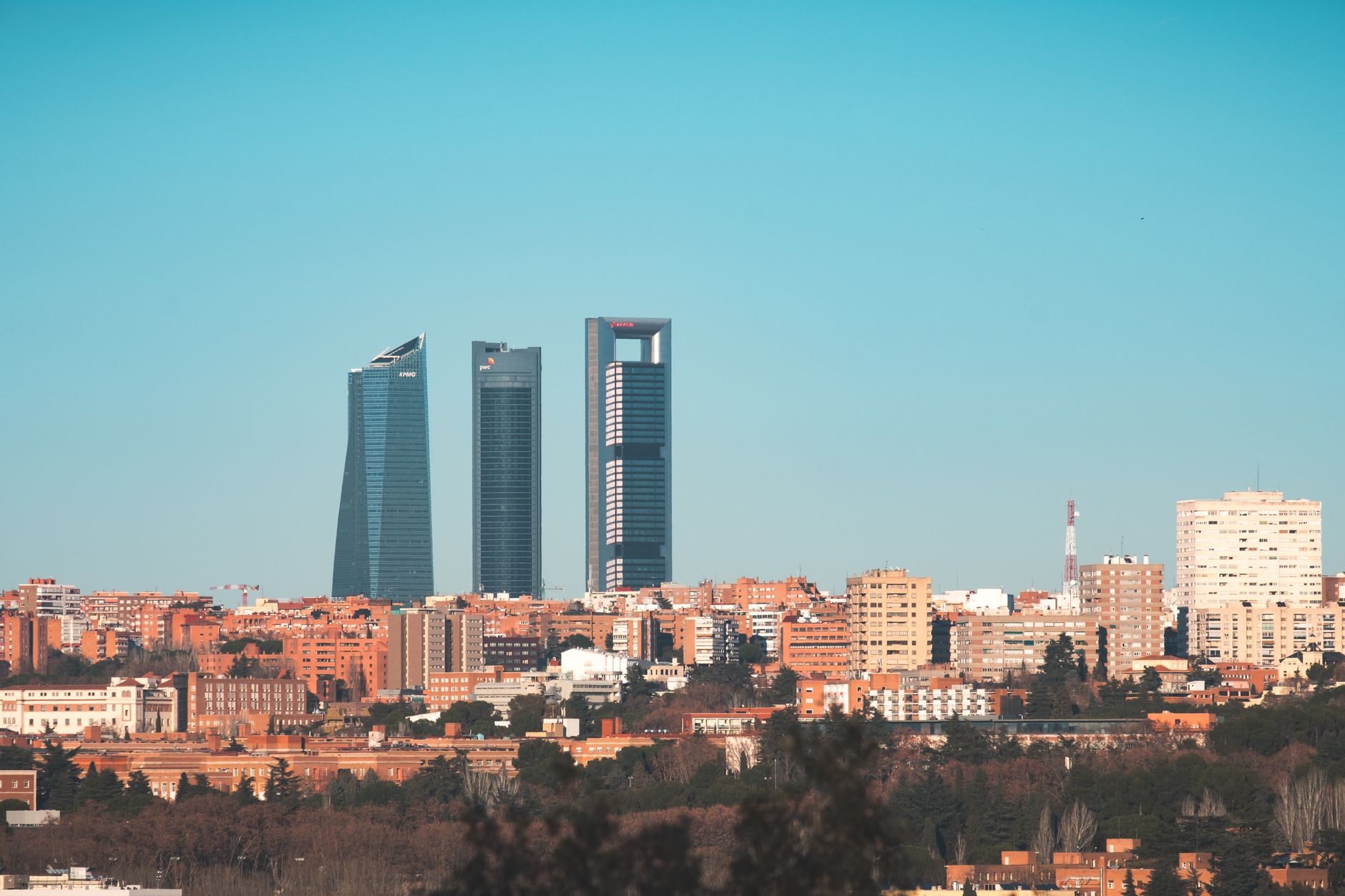
The most immediate headwind is structural: hybrid working arrangements have permanently reshaped demand for traditional office space. Major multinational firms, from tech companies clustered in the Cuatro Torres business district to financial services firms along Paseo de la Castellana, have consolidated their Madrid footprints. Average office occupancy rates have stabilised at roughly 65-70%, down from pre-pandemic peaks of 85%, according to commercial property analysts tracking the market.
Pricing pressure has followed. Prime office space in the Salamanca district—traditionally commanding €25-28 per square metre monthly—has softened to €22-24 as landlords compete for quality tenants. The glut is particularly acute in secondary locations: properties in outer zones facing renovation or repositioning struggles to attract long-term commitments.
Interest rate persistence compounds the challenge. Spain's borrowing costs remain elevated, making new development projects economically marginal. The cost of financing large office conversions on streets like Serrano or near the Atocha station precinct has deterred speculative building. Construction starts for office buildings fell 18% year-on-year in the first quarter of 2026, data from Madrid's chamber of commerce suggests.
Geopolitical volatility has also cooled institutional investment appetite. European pension funds and sovereign wealth investors—traditional anchors of the Madrid commercial market—have grown cautious about longer-term commitments given broader economic uncertainties and policy unpredictability across the continent. Capital flows into Spanish real estate, while still positive, have slowed meaningfully.
Adaptive reuse has become the market's strategic response. Developers increasingly pivot toward converting underperforming offices into residential units or mixed-use spaces, particularly in emerging zones like Valdebebas. This transition, while offering creative solutions, signals a fundamental repricing of what Madrid's office market can support.
Yet the capital retains advantages. Its status as Spain's undisputed business hub, combined with improving metro infrastructure and international airport connectivity, continues to attract multinational headquarters. But the halcyon days of unconstrained expansion appear behind. Madrid's commercial property sector, once accustomed to riding growth, must now master the art of managing contraction—a shift that will define the market for the remainder of the year and beyond.
This article was compiled by AI from the sources linked above and screened before publishing. See our editorial standards.
How does this story make you feel?
Spread the word
About this article
Published by The Daily Madrid
Daily brief
Free, in your inbox before 7am. Weekdays.
More in Business