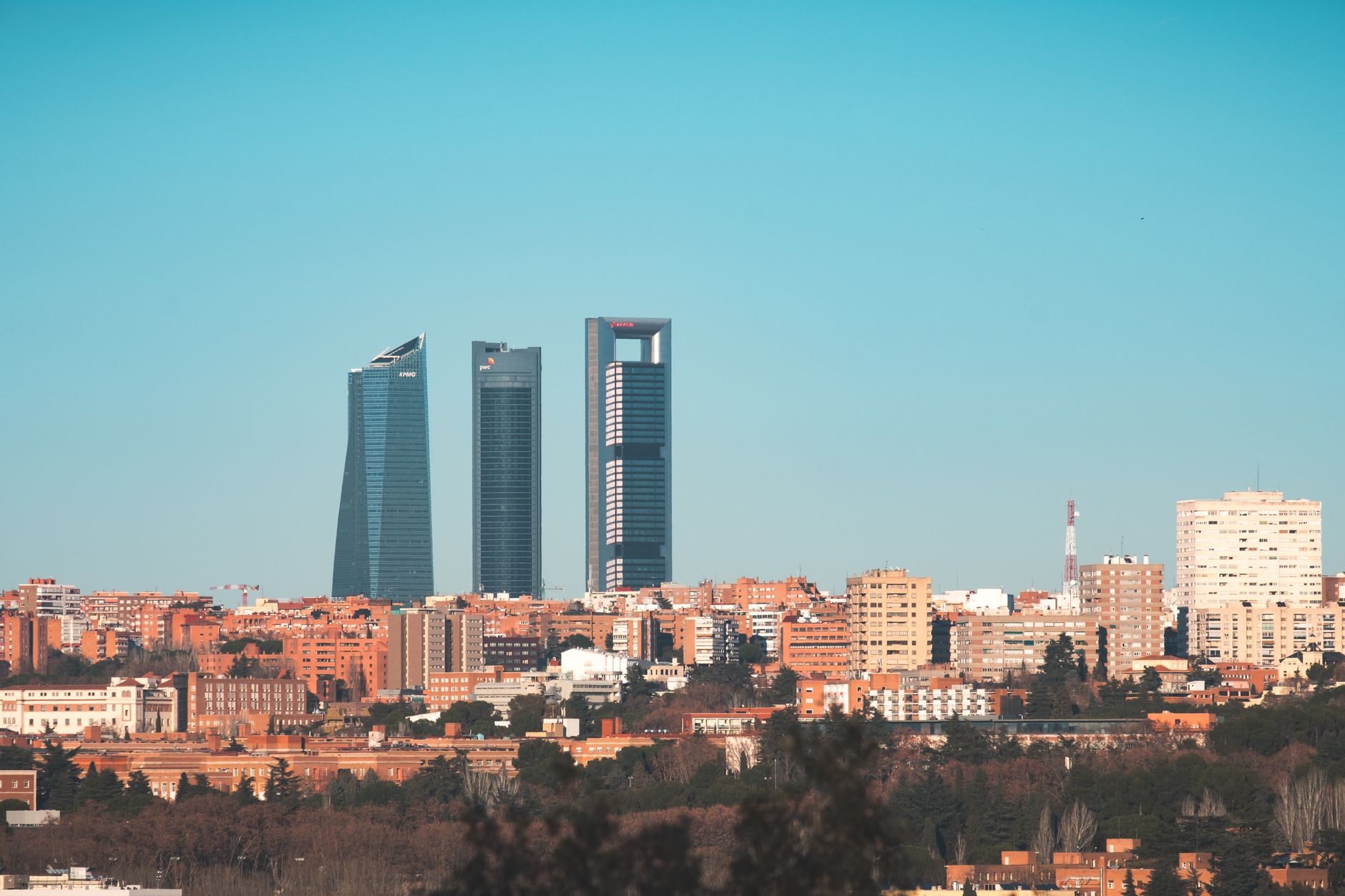
Madrid's business district is undergoing a quiet transformation. Over the past eighteen months, at least seven major multinational corporations have established or expanded regional trading and supply chain operations in the city, from pharmaceutical giants to tech-enabled logistics firms. The trend reflects a broader reshuffling of global commerce—companies hedging against geopolitical instability by diversifying away from traditional hubs—but its impact on Madrid's labour market has been immediate and disruptive.
"We're competing for talent in ways we never imagined," says a human resources director at one of these firms, speaking on condition of anonymity due to confidentiality agreements. "Five years ago, bringing skilled operations managers and data analysts to Madrid wasn't difficult. Now, we're losing candidates to salaries we can't match."
The numbers tell the story. Average salaries for supply chain and logistics coordinators in Madrid have climbed roughly 18 percent since 2024, according to recruitment firm Michael Page's latest regional report. Entry-level positions at €28,000 annually now command €33,000 or more in competitive firms clustered around the Avenida de América business corridor and along Paseo de la Castellana. Premium benefits—remote work flexibility, housing allowances for relocating talent, professional development funds—have become standard rather than exceptional.
The pressure extends beyond salary. Co-working spaces in neighbourhoods like Chamberí and Salamanca report surging demand from international staff relocating to Madrid for these roles. Rental prices in these zones have ticked upward 12 percent year-over-year, according to property portal Idealista, as competition for accommodation intensifies. Some firms are now offering housing stipends directly, bypassing the market entirely.
Spanish universities and vocational training centres are scrambling to respond. IE University and Comillas ICAI have expanded intake in supply chain management and operations programs, recognizing the emerging gap. Yet the lag between training completion and market entry means companies are increasingly poaching talent from other European cities or offering internal mobility packages to junior staff from smaller Spanish offices.
The broader implication is profound. Madrid's reputation as a business destination rests partly on its ability to attract and retain sophisticated talent. This new wave of supply chain investment is democratizing access to well-paid technical roles beyond traditional finance and consulting sectors—good news for employment diversity. But it's also raising the cost of living and skewing the city's labour market toward specific skill sets, potentially disadvantaging those without trade-relevant qualifications.
For now, Madrid's business community views the trend as net positive. Yet sustained salary inflation and housing pressure could test that optimism if it outpaces broader economic growth in the region.
This article was compiled by AI from the sources linked above and screened before publishing. See our editorial standards.